
Smart Home Technology for Modern Living: Devices Making Homes Smarter and Safer
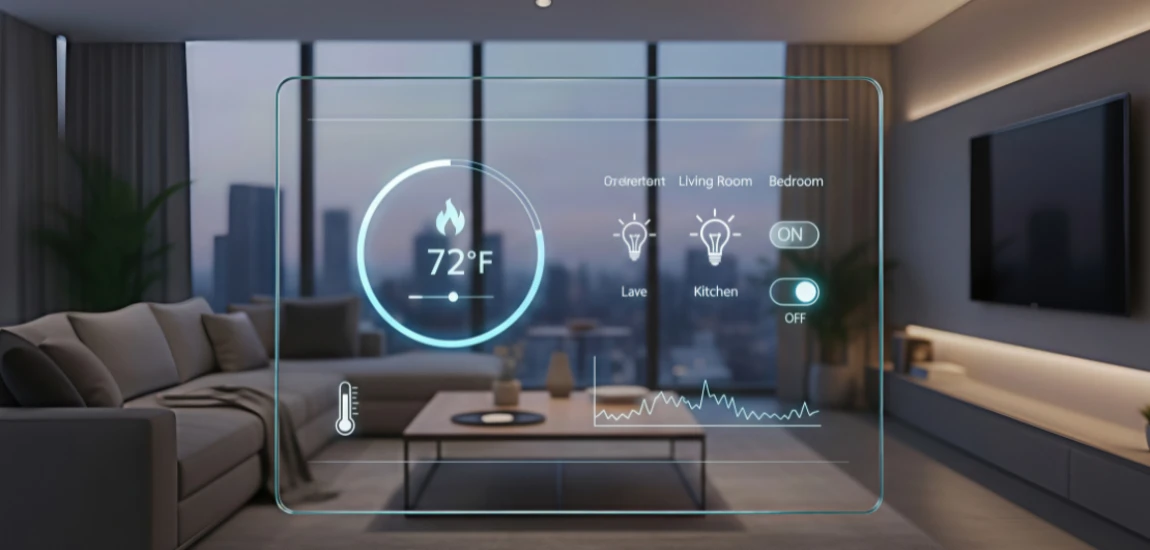
Technology has become an integral part of modern lifestyles, influencing how people work, communicate, and manage their homes. One of the most exciting developments in recent years is the rise of smart home technology. These innovative systems use internet-connected devices, automation, and artificial intelligence to create homes that are more efficient, convenient, and secure.
Smart home technology allows homeowners to control lighting, security systems, temperature, appliances, and entertainment devices through smartphones or voice commands. This level of control provides greater comfort while also improving safety and energy efficiency.
In addition to convenience, smart homes offer enhanced security features such as remote monitoring, motion detection, and automated alerts. Homeowners can check their property from anywhere in the world and respond quickly to potential threats.
As the Internet of Things (IoT) continues to expand, smart home devices are becoming more accessible and affordable. From simple smart bulbs to fully integrated home automation systems, these technologies are transforming the way people interact with their living spaces.
This article explores how smart home technology is reshaping modern living and highlights the devices and strategies that help create safer, smarter homes.
Understanding Smart Home Technology

Smart home technology refers to interconnected devices that automate and manage various functions within a home. These systems communicate through the internet, allowing users to control them remotely.
The Role of Internet of Things in Smart Homes
The Internet of Things (IoT) plays a fundamental role in smart home systems. IoT refers to a network of physical devices connected to the internet that can collect and exchange data.
In a smart home, devices such as thermostats, lights, cameras, and appliances communicate with each other through centralized platforms or mobile apps. This connectivity allows homeowners to manage multiple systems from a single interface.
For example, a smart thermostat can adjust temperature automatically based on the homeowner’s schedule, while smart lighting systems can turn on or off depending on occupancy.
Automation and Remote Control
Automation is one of the most powerful features of smart home technology. Automated systems perform tasks without requiring constant manual input.
Homeowners can set schedules for lighting, heating, and appliances to operate at specific times. For instance, lights can turn on automatically when someone enters a room, or the heating system can activate before residents return home.
Remote control capabilities also allow homeowners to manage devices through smartphones, tablets, or voice assistants even when they are away from home.
Integration of Multiple Devices
Modern smart homes often integrate multiple devices into a unified ecosystem. This integration allows different technologies to work together seamlessly.
For example, a smart door lock can connect with a home security system, sending alerts when someone enters the house. Similarly, security cameras can trigger smart lighting to illuminate outdoor areas when motion is detected.
The ability to coordinate multiple devices improves both convenience and safety.
Smart Home Security Systems

Security is one of the main reasons homeowners adopt smart home technology. Smart security devices offer advanced protection and real-time monitoring.
Smart Surveillance Cameras
Smart surveillance cameras allow homeowners to monitor their property through live video feeds accessible from mobile apps. Many cameras feature motion detection, night vision, and two-way audio communication.
These features enable homeowners to see and speak with visitors remotely. Some systems even send instant notifications when unusual activity is detected.
Modern cameras often include cloud storage for recorded footage, making it easier to review past events.
Smart Door Locks and Access Control
Traditional keys can be lost or copied, creating potential security risks. Smart door locks eliminate this issue by allowing homeowners to control access digitally.
Users can unlock doors using smartphones, keypads, or biometric authentication such as fingerprints. Temporary access codes can also be created for guests or service providers.
Smart locks provide detailed logs showing when doors were opened or closed, enhancing security awareness.
Alarm Systems and Motion Sensors
Smart alarm systems combine motion detectors, door sensors, and security alerts to protect homes from intrusions. When sensors detect suspicious activity, the system sends alerts to the homeowner’s phone.
Some systems can automatically contact emergency services or security companies.
These technologies provide peace of mind by ensuring homeowners remain informed about potential threats.
Smart Lighting and Energy Efficiency

Smart lighting systems improve both convenience and energy efficiency in modern homes.
Automated Lighting Control
Smart lighting allows homeowners to control lights through apps or voice commands. Users can adjust brightness levels, change colors, and create lighting schedules.
Automation ensures that lights turn off when rooms are empty, reducing unnecessary energy consumption.
Motion sensors can also activate lights when someone enters a space, providing convenience and safety.
Energy-Saving Benefits
Energy efficiency is one of the biggest advantages of smart lighting systems. By optimizing lighting usage, homeowners can significantly reduce electricity consumption.
Some systems analyze usage patterns and recommend ways to improve efficiency.
Over time, these energy-saving features can lower utility bills and reduce environmental impact.
Creating Comfortable Living Environments
Smart lighting can also enhance comfort and mood. Adjustable lighting settings allow homeowners to create different atmospheres for activities such as reading, working, or relaxing.
For example, warm lighting can create a cozy evening environment, while bright lighting can improve productivity during work hours.
These customizable features make homes more adaptable to daily routines.
Smart Climate Control Systems

Maintaining comfortable indoor temperatures is essential for modern living. Smart climate control systems provide efficient ways to manage heating and cooling.
Smart Thermostats
Smart thermostats automatically adjust home temperatures based on user preferences and schedules. These devices learn household patterns and optimize heating or cooling accordingly.
For instance, the system may reduce heating during the day when residents are away and increase it before they return home.
This automation improves comfort while minimizing energy waste.
Remote Temperature Management
Homeowners can control climate systems remotely through smartphone apps. This feature is particularly useful when traveling or returning home earlier than expected.
Remote access ensures the house remains comfortable without unnecessary energy consumption.
Users can adjust settings instantly from anywhere.
Energy Monitoring and Optimization
Many smart thermostats include energy monitoring tools that track heating and cooling usage. These systems provide reports showing how energy is consumed and offer suggestions for improvement.
By understanding energy patterns, homeowners can make smarter decisions about temperature management.
These insights promote both cost savings and environmental responsibility.
Smart Appliances and Home Automation

Smart appliances bring automation and intelligence to everyday household tasks.
Connected Kitchen Appliances
Modern kitchens now feature smart refrigerators, ovens, and coffee machines. These appliances can be controlled remotely and programmed to perform tasks automatically.
For example, smart ovens can preheat before cooking begins, while refrigerators can track food inventory and suggest recipes.
These features simplify meal preparation and reduce food waste.
Smart Cleaning Devices
Robotic vacuum cleaners and smart cleaning systems help maintain tidy homes with minimal effort. These devices navigate rooms automatically and clean floors according to programmed schedules.
Some models map the home layout and adjust cleaning paths for efficiency.
Automation ensures consistent cleaning without manual labor.
Centralized Home Automation Hubs
Home automation hubs serve as the control center for multiple smart devices. These systems integrate lighting, security, appliances, and climate controls into a single platform.
Users can create customized routines such as “morning mode” or “night mode” that activate several devices simultaneously.
Centralized automation simplifies home management and enhances convenience.


Known as "Nomadic Matt," Matthew Kepnes offers practical travel advice with a focus on budget backpacking. His blog aims to help people travel cheaper and longer.
Matthew Kepnes
Prev Post

Next Post