
Smart Energy Storage Intelligence Systems and Autonomous Power Distribution Architectures
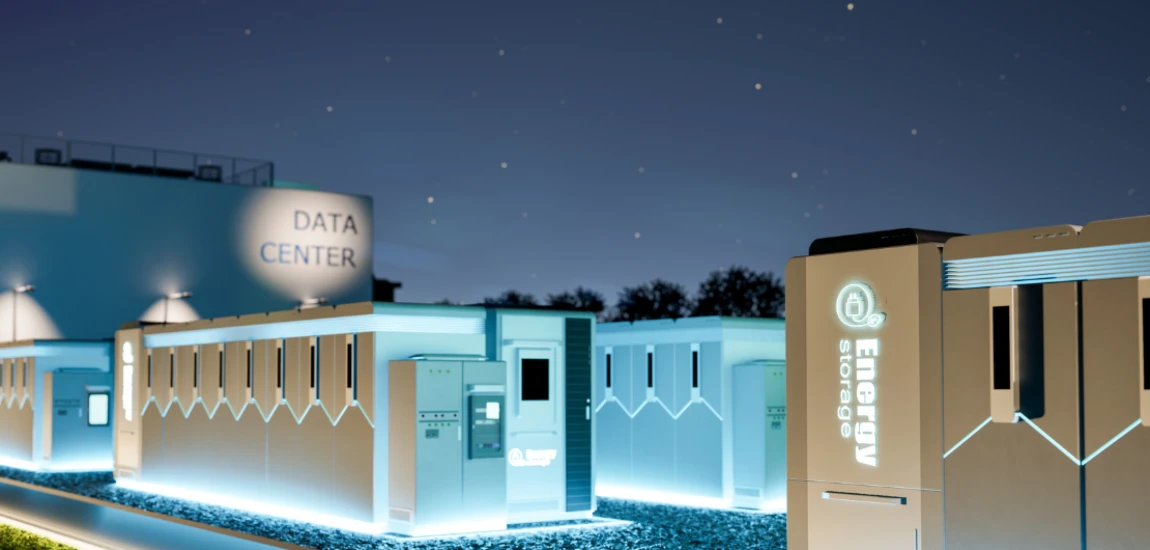
The global energy ecosystem is experiencing one of the most significant transformations in its history. Traditional energy grids, which were designed for centralized fossil-fuel-based power generation, are rapidly becoming outdated in a world that demands renewable integration, real-time responsiveness, and extreme efficiency. Solar energy, wind power, and distributed microgrids have introduced variability into energy systems, making it difficult for legacy infrastructure to maintain balance between supply and demand.
This is where smart energy storage intelligence systems and autonomous power distribution architectures are revolutionizing the industry. These technologies combine artificial intelligence, machine learning, IoT-based monitoring, predictive analytics, and autonomous control systems to create self-optimizing energy ecosystems.
Unlike conventional grids, these intelligent systems do not rely on manual intervention. Instead, they continuously analyze energy production, consumption behavior, environmental conditions, and grid stress indicators to make real-time decisions. This includes storing excess energy during low-demand periods, redistributing power during peak usage, and predicting future energy needs before they occur.
Autonomous distribution systems also ensure that energy flows dynamically across decentralized networks, including smart homes, industrial facilities, electric vehicle charging stations, and renewable energy farms. The result is a highly resilient, adaptive, and efficient energy infrastructure capable of supporting modern global demands.
As energy systems evolve toward sustainability and decentralization, these intelligent architectures are becoming the backbone of next-generation smart grids worldwide.
Understanding Smart Energy Storage Intelligence Systems

Evolution of Energy Storage Technologies
Energy storage has transitioned from simple mechanical and chemical systems into highly intelligent digital ecosystems. In the early days, electricity was generated in large centralized power plants and consumed immediately, leaving little room for flexibility. This created inefficiencies, especially during peak demand periods or unexpected fluctuations.
The introduction of battery storage systems such as lithium-ion batteries, pumped hydro storage, and grid-scale energy reservoirs marked a major advancement. However, these systems still operated using predefined rules rather than intelligent decision-making.
Today, smart energy storage intelligence systems represent a quantum leap in capability. These systems integrate AI models that continuously analyze energy inflow and outflow patterns, weather forecasts, renewable generation capacity, and consumer demand behavior. They dynamically decide when to store energy, when to release it, and how to distribute it across the grid.
Advanced forecasting capabilities allow these systems to anticipate energy shortages or surpluses hours or even days in advance. This makes energy management proactive instead of reactive, reducing waste and improving reliability.
In modern infrastructures, energy storage is no longer just a passive reserve—it has become an active, intelligent participant in grid optimization.
Artificial Intelligence in Energy Management
Artificial intelligence serves as the brain of smart energy storage systems. AI algorithms analyze massive datasets collected from smart meters, industrial sensors, weather stations, and renewable energy farms.
Machine learning models identify consumption trends and predict future energy demand at both macro and micro levels. For example, AI can determine when households typically use the most electricity or when industrial machinery will require peak power.
Deep learning systems further enhance accuracy by recognizing hidden patterns in complex energy datasets that traditional systems cannot detect. These models also optimize battery life cycles by preventing overcharging, deep discharging, and inefficient cycling patterns.
AI systems also enable dynamic pricing strategies in energy markets. Electricity costs can be adjusted in real time based on supply-demand conditions, encouraging efficient energy usage.
Overall, AI transforms energy storage from a static function into a continuously evolving intelligent system.
IoT-Enabled Smart Grid Infrastructure
The Internet of Things forms the sensory backbone of intelligent energy systems. IoT-enabled devices such as smart meters, voltage sensors, smart transformers, and connected substations continuously collect real-time operational data.
This data is transmitted to centralized AI platforms where it is processed instantly. The result is a live digital representation of the entire energy grid.
These connected systems allow for granular monitoring of energy usage at household, industrial, and city-wide levels. IoT devices also detect anomalies such as voltage fluctuations, equipment overheating, or transmission losses.
This real-time visibility enables faster response times and better decision-making. Smart grid infrastructure becomes more transparent, efficient, and adaptive as a result.
Autonomous Power Distribution Architectures

Real-Time Energy Flow Optimization
Autonomous power distribution systems are designed to ensure that energy flows exactly where it is needed at the right time. AI algorithms continuously analyze grid load, energy production, and storage capacity to balance distribution in real time.
When demand spikes in a specific area, the system automatically redirects energy from nearby storage units or renewable sources. Conversely, when demand drops, excess energy is rerouted or stored efficiently.
This continuous optimization eliminates inefficiencies commonly found in traditional grids, such as transmission losses and overproduction.
Real-time optimization also improves responsiveness during emergencies, ensuring critical infrastructure always receives priority power supply.
Predictive Load Balancing Systems
Predictive load balancing uses AI to forecast future energy consumption patterns with high accuracy. These predictions are based on multiple variables, including historical usage, seasonal trends, weather forecasts, and socio-economic activity.
For example, energy demand increases during heatwaves due to air conditioning usage or during major public events. AI systems anticipate these changes and adjust grid behavior accordingly.
This proactive approach prevents overloads, reduces blackout risks, and improves energy stability.
Predictive load balancing also enhances renewable energy utilization by aligning storage and distribution with expected production cycles.
Decentralized Energy Distribution Networks
Decentralization is one of the most important shifts in modern energy systems. Instead of relying on a single power plant, energy is generated and stored across multiple distributed sources such as rooftop solar panels, wind farms, and microgrids.
AI systems coordinate these distributed nodes into a unified intelligent network. Each node can act independently while still contributing to the overall system stability.
This decentralized structure increases resilience against failures, cyberattacks, and natural disasters.
It also allows communities to generate and manage their own energy locally, reducing dependence on centralized infrastructure.
Benefits of Smart Energy Storage Systems

Improved Energy Efficiency and Optimization
Smart energy systems significantly reduce energy waste by ensuring optimal distribution and usage. AI algorithms continuously fine-tune how energy is stored and released, preventing unnecessary losses.
Energy efficiency improves because systems operate based on real-time demand instead of fixed schedules.
Additionally, predictive models ensure renewable energy is never wasted by storing excess production for later use.
This creates a highly efficient energy ecosystem that maximizes every unit of generated power.
Enhanced Grid Stability and Reliability
Grid stability is one of the most critical aspects of modern energy systems. Smart systems reduce fluctuations by maintaining a constant balance between supply and demand.
AI systems detect potential instability before it becomes a problem and automatically adjust energy flow.
This prevents blackouts, voltage drops, and system overloads.
As a result, energy delivery becomes more consistent and reliable across all regions.
Increased Renewable Energy Integration
Renewable energy sources like solar and wind are inherently unpredictable. Smart systems solve this problem by forecasting generation patterns and adjusting storage strategies accordingly.
AI ensures renewable energy is used efficiently even when production is inconsistent.
This enables higher adoption of clean energy sources and reduces reliance on fossil fuels.
Applications of Intelligent Energy Systems

Smart Cities and Urban Energy Management
Smart cities use AI-powered energy systems to manage large-scale electricity distribution efficiently.
Traffic systems, smart buildings, public transport, and street lighting are all integrated into unified energy networks.
This reduces waste and improves overall city sustainability.
Industrial Energy Optimization
Industries use intelligent systems to reduce operational costs and improve energy efficiency in manufacturing processes.
AI monitors machinery usage and adjusts power distribution dynamically.
This ensures optimal energy consumption across production lines.
Renewable Energy Farms and Microgrids
Solar farms and wind farms rely heavily on AI systems for energy forecasting and distribution.
Microgrids use autonomous systems to operate independently while maintaining grid stability.
This improves energy resilience and independence.


Anil Polat, behind the blog "FoxNomad," combines technology and travel. A computer security engineer by profession, he focuses on the tech aspects of travel.
Anil Polat
Prev Post

Next Post