
AI-Driven Digital Twin Systems and Real-Time Infrastructure Simulation Frameworks
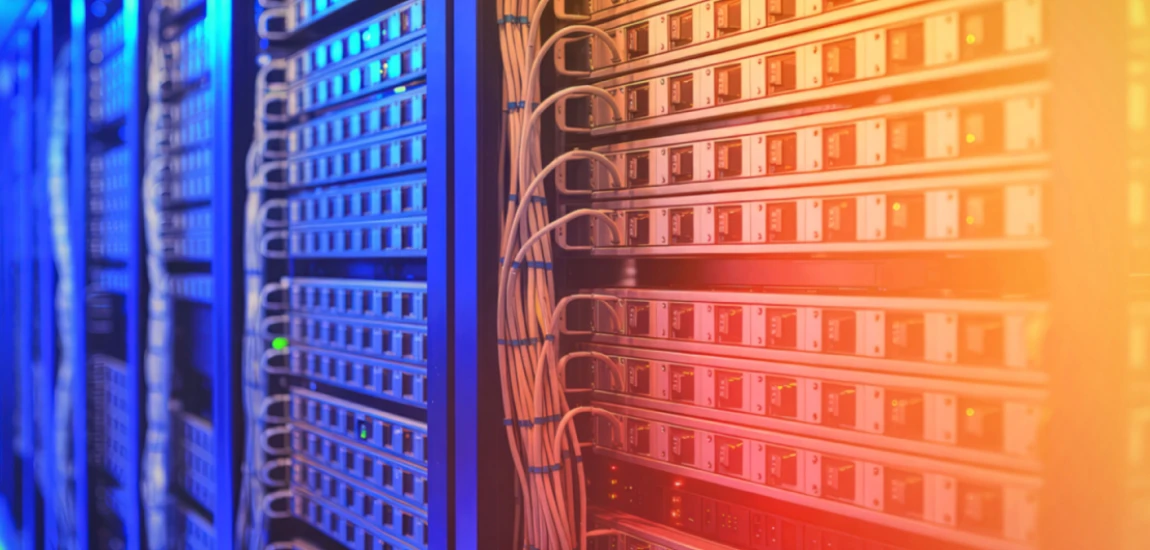
Modern infrastructure systems are evolving into highly interconnected, data-driven ecosystems that require constant monitoring, prediction, and optimization. Cities, transportation systems, energy grids, industrial plants, and water networks are no longer isolated structures—they are dynamic systems influenced by real-time environmental, operational, and human factors.
Traditional infrastructure management approaches rely on periodic inspections, manual reporting, and static engineering models. While these methods were effective in earlier decades, they cannot handle today’s complexity, scale, and real-time variability.
To solve this problem, industries are adopting AI-driven digital twin systems and real-time infrastructure simulation frameworks, which represent a major leap in engineering intelligence. These systems create live, continuously updated virtual replicas of physical assets that mirror real-world behavior in real time.
A digital twin is far more advanced than a static 3D model. It is a living simulation that evolves continuously based on real-time sensor data, environmental inputs, and operational changes. When enhanced with artificial intelligence, digital twins become capable of analyzing system behavior, predicting future outcomes, and recommending optimization strategies automatically.
Real-time simulation frameworks complement digital twins by modeling entire infrastructure ecosystems simultaneously. These systems simulate traffic networks, energy grids, building structures, industrial production lines, and environmental systems in real time.
Together, they form a powerful ecosystem that enables predictive infrastructure management, autonomous optimization, and intelligent decision-making at scale.
Understanding AI-Driven Digital Twin Systems

Evolution of Digital Twin Technology
Digital twin technology has evolved through multiple stages of technological advancement. In its earliest form, it was simply a digital representation of physical objects used for design and visualization. Engineers used CAD models to simulate basic structural designs, but these models were static and disconnected from real-world conditions.
The next stage introduced sensor-based monitoring systems, where physical assets were equipped with IoT devices to collect operational data. However, these systems still operated in isolation and lacked real-time integration or predictive intelligence.
The modern generation of digital twins integrates AI, cloud computing, IoT, and real-time analytics. These systems continuously synchronize physical and digital environments, ensuring that the virtual model always reflects the actual state of the infrastructure.
Today’s AI-driven digital twins go even further by incorporating predictive analytics, autonomous decision-making, and machine learning-based optimization. They not only reflect reality but also simulate future possibilities, making them essential for modern infrastructure planning and management.
This evolution has transformed digital twins from passive visualization tools into active intelligence systems capable of driving operational decisions.
Role of Artificial Intelligence in Digital Twins
Artificial intelligence is the central intelligence layer that transforms digital twins into predictive systems. AI processes continuous streams of data coming from sensors embedded in infrastructure such as bridges, roads, buildings, factories, and energy systems.
Machine learning algorithms detect anomalies such as structural stress, overheating, vibration irregularities, or performance inefficiencies. These insights allow systems to identify problems long before they become critical failures.
Deep learning models analyze complex relationships between environmental conditions and system behavior. For example, temperature changes combined with humidity and load stress can help predict structural degradation in bridges or tunnels.
Reinforcement learning enables digital twins to continuously improve system performance by learning from past decisions and optimizing future actions.
AI also plays a major role in predictive maintenance, allowing infrastructure systems to schedule repairs before breakdowns occur, significantly reducing downtime and operational costs.
Without AI, digital twins would remain static replicas. With AI, they become autonomous decision-making systems capable of real-time optimization.
Data Integration in Digital Twin Ecosystems
Data integration is the foundation of digital twin functionality. These systems rely on continuous data inflow from multiple sources, including IoT sensors, satellite imaging, drones, environmental monitoring systems, and operational databases.
Each data source provides a different layer of insight. For example, IoT sensors capture real-time mechanical conditions, while satellite data provides large-scale environmental context.
Edge computing processes data locally to reduce latency, while cloud platforms aggregate and analyze large-scale datasets for deeper insights.
This multi-layered data architecture ensures that digital twins maintain a highly accurate and constantly updating representation of real-world systems.
Real-Time Infrastructure Simulation Frameworks

Continuous Simulation of Physical Systems
Real-time simulation frameworks replicate the behavior of physical infrastructure under continuously changing conditions. Unlike traditional simulation models that run in isolated environments, these systems operate continuously and adapt in real time.
For example, in transportation networks, simulation models analyze traffic flow patterns, congestion points, accident risks, and public transport efficiency simultaneously.
In energy systems, simulations evaluate power demand fluctuations, renewable energy availability, and grid stability in real time.
These continuous simulations allow decision-makers to observe infrastructure behavior as it evolves, enabling faster and more informed interventions.
This approach is particularly valuable in smart cities, where thousands of interconnected systems must operate simultaneously without disruption.
Predictive Infrastructure Behavior Modeling
Predictive modeling uses AI to forecast how infrastructure systems will behave in the future under various conditions.
Machine learning algorithms analyze historical operational data, environmental trends, and usage patterns to identify potential risks and inefficiencies.
For example, predictive models can forecast when a highway will experience congestion based on historical traffic data and upcoming events.
In energy systems, AI can predict peak electricity demand during seasonal changes or extreme weather conditions.
This allows infrastructure managers to prepare in advance, optimizing resource allocation and preventing system overloads.
Predictive modeling shifts infrastructure management from reactive to proactive decision-making.
Scenario-Based Infrastructure Testing
Scenario simulation is one of the most powerful applications of digital twin technology. It allows engineers to test multiple hypothetical situations without impacting real-world systems.
For example, city planners can simulate the effects of population growth on transportation systems, housing demand, and energy consumption.
Engineers can also simulate extreme scenarios such as earthquakes, floods, or cyberattacks to evaluate system resilience.
These simulations help identify weaknesses in infrastructure design and allow improvements before real-world implementation.
This reduces risk and improves long-term planning accuracy significantly.
Benefits of AI-Driven Digital Twin Systems

Advanced Predictive Maintenance Systems
Predictive maintenance is one of the most valuable applications of digital twins. AI systems continuously monitor the condition of infrastructure components such as machinery, bridges, pipelines, and electrical systems.
By analyzing vibration patterns, temperature fluctuations, and operational loads, AI can detect early signs of wear and tear.
This enables maintenance teams to fix issues before failures occur, reducing downtime and preventing costly repairs.
It also extends the lifespan of infrastructure assets significantly.
Operational Efficiency and Resource Optimization
Digital twin systems optimize infrastructure performance by analyzing real-time data and identifying inefficiencies.
Energy usage, traffic flow, manufacturing processes, and water distribution systems can all be optimized dynamically.
AI systems recommend adjustments that reduce waste and improve overall efficiency.
This leads to lower operational costs and improved system performance.
Enhanced Strategic Decision-Making
Digital twins provide decision-makers with highly accurate real-time insights.
This enables better long-term planning for infrastructure expansion, resource allocation, and urban development.
Organizations can simulate multiple outcomes before making final decisions.
This significantly reduces risk and improves strategic accuracy.
Applications of Digital Twin Systems

Smart Cities and Urban Infrastructure
Digital twins are widely used in smart city development to simulate transportation systems, energy networks, water distribution, and public services.
City planners can visualize how infrastructure responds to population growth and environmental changes.
This improves urban efficiency and sustainability.
Industrial Manufacturing Systems
In manufacturing, digital twins simulate production lines, machinery behavior, and supply chain processes.
AI helps optimize workflow efficiency and reduce downtime.
This leads to higher productivity and reduced operational costs.
Energy and Utility Management
Energy companies use digital twins to simulate power grids, renewable energy integration, and demand fluctuations.
This improves grid stability and energy efficiency.


Kate McCulley, the voice behind "Adventurous Kate," provides travel advice tailored for women. Her blog encourages safe and adventurous travel for female readers.
Kate McCulley
Prev Post
Next Post