
Smart Energy Management Systems and AI-Based Power Optimization Networks
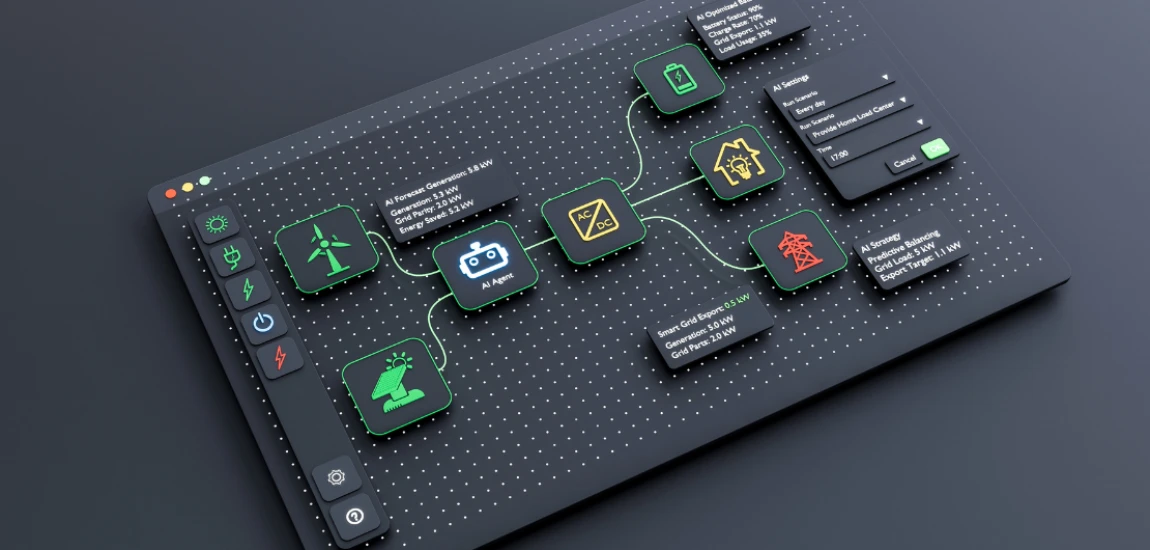
As global energy demand continues to rise alongside environmental concerns, the need for intelligent and efficient energy management has never been greater. Traditional energy systems, often reliant on static controls and manual monitoring, struggle to adapt to dynamic consumption patterns and renewable energy integration. This is where Smart Energy Management Systems (SEMS) powered by AI-Based Power Optimization Networks are transforming the energy landscape.
These advanced systems leverage artificial intelligence, real-time data analytics, and connected devices to monitor, predict, and optimize energy usage across residential, commercial, and industrial environments. By enabling automated decision-making and adaptive control, SEMS not only reduce energy waste but also enhance operational efficiency and sustainability.
In this blog, we will explore the core concepts, architecture, enabling technologies, applications, challenges, and future trends of Smart Energy Management Systems, providing valuable insights into how they are shaping the future of energy management.
Understanding Smart Energy Management Systems

Defining Smart Energy Systems
Smart Energy Management Systems are integrated platforms designed to monitor, control, and optimize energy consumption using advanced technologies such as artificial intelligence, IoT, and data analytics. These systems provide real-time visibility into energy usage and enable automated decision-making to improve efficiency.
Unlike traditional systems that rely on fixed schedules and manual controls, SEMS adapt dynamically to changing conditions. This allows them to optimize energy usage based on factors such as demand, pricing, and environmental conditions.
Core Functional Capabilities
The key strength of smart energy systems lies in their ability to collect and analyze data from various sources, including sensors, smart meters, and connected devices. This data is processed using AI algorithms to identify patterns and optimize energy usage.
These systems can automatically adjust energy consumption, reduce peak loads, and improve overall efficiency. They also provide actionable insights that help users make informed decisions about energy usage.
How AI Enhances Energy Management
Artificial intelligence plays a crucial role in enhancing energy management by enabling predictive analytics and adaptive control. AI algorithms can forecast energy demand, identify inefficiencies, and recommend optimal strategies.
This leads to improved energy efficiency, reduced costs, and lower environmental impact, making SEMS an essential component of modern energy systems.
Architecture of AI-Based Power Optimization Networks

Layered Energy Management Architecture
AI-based power optimization networks are built on layered architectures that facilitate efficient data flow and decision-making. These layers typically include data acquisition, data processing, analytics, and control.
Each layer is designed to perform specific functions while working seamlessly with others. This modular approach ensures scalability and flexibility, allowing systems to adapt to changing requirements.
Data Collection and Integration Layers
At the foundation of these networks is data collection, which involves gathering information from sensors, smart meters, and energy systems. This data is integrated into a centralized platform for analysis.
The integration layer ensures data consistency and accuracy, enabling reliable decision-making. This is critical for optimizing energy usage and maintaining system stability.
Control and Optimization Mechanisms
The control layer uses AI algorithms to optimize energy consumption and manage resources. It can automatically adjust energy usage, balance loads, and integrate renewable energy sources.
Feedback mechanisms allow the system to learn from past performance and improve over time, enhancing efficiency and reliability.
Key Technologies Powering Smart Energy Systems

Internet of Things (IoT) and Smart Devices
IoT and smart devices are essential components of smart energy systems, providing real-time data on energy usage. These devices include smart meters, sensors, and connected appliances.
They enable continuous monitoring and control, allowing systems to respond quickly to changes in energy demand.
Artificial Intelligence and Predictive Analytics
AI and predictive analytics are at the core of power optimization networks. These technologies analyze data to identify patterns, forecast demand, and optimize energy usage.
Predictive models help prevent energy waste and ensure efficient resource allocation.
Cloud Computing and Edge Processing
Cloud computing provides the infrastructure needed to store and process large volumes of data, while edge computing enables real-time processing closer to the source.
This combination ensures low latency, high performance, and scalability, making smart energy systems more effective.
Applications Across Industries

Residential and Smart Homes
In residential settings, smart energy systems enable homeowners to monitor and control energy usage. They provide insights into consumption patterns and recommend ways to reduce energy costs.
Smart home devices can automatically adjust lighting, heating, and cooling based on user preferences and environmental conditions.
Commercial and Industrial Operations
In commercial and industrial environments, SEMS help optimize energy usage, reduce costs, and improve operational efficiency. These systems monitor equipment performance and identify opportunities for energy savings.
They also support predictive maintenance, reducing downtime and improving productivity.
Renewable Energy Integration
Smart energy systems play a crucial role in integrating renewable energy sources such as solar and wind. They manage energy generation, storage, and distribution, ensuring efficient use of resources.
This supports the transition to sustainable energy systems and reduces reliance on fossil fuels.


Known as "Nomadic Matt," Matthew Kepnes offers practical travel advice with a focus on budget backpacking. His blog aims to help people travel cheaper and longer.
Matthew Kepnes

Prev Post

Next Post