
AI-Enhanced Smart Agriculture Systems and Precision Farming Intelligence Models
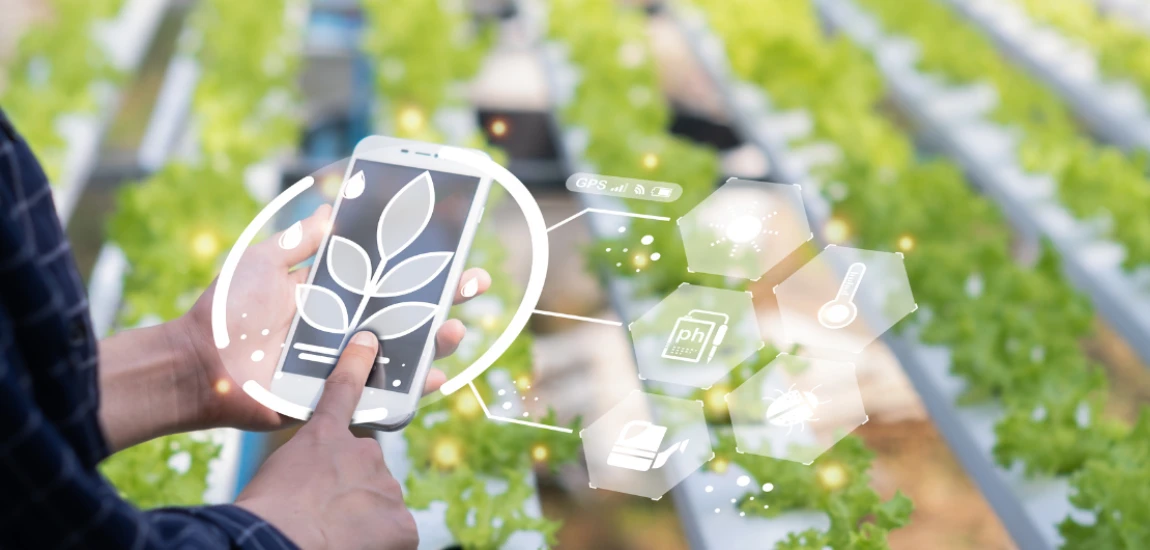
AI-enhanced smart agriculture systems are revolutionizing the agricultural industry by transforming traditional farming into a highly intelligent, data-driven ecosystem. These systems combine artificial intelligence, IoT sensors, satellite imaging, drones, and machine learning to monitor, analyze, and optimize every aspect of farming operations in real time. Precision farming intelligence models take this transformation further by using advanced analytics to determine the exact needs of crops, soil, and environmental conditions. This enables farmers to make highly accurate decisions regarding irrigation, fertilization, pest control, and harvesting. In a world facing increasing population pressure, climate change, and limited natural resources, these technologies are becoming essential for ensuring food security, improving productivity, and promoting sustainable agricultural practices at a global scale.
Understanding AI-Enhanced Smart Agriculture Systems

What Are Smart Agriculture Systems
AI-enhanced smart agriculture systems are integrated technological frameworks that use artificial intelligence and connected devices to improve farming efficiency and productivity. These systems collect real-time data from agricultural environments using sensors placed in soil, weather stations, drones, and satellite systems. The data is then processed using AI algorithms to generate actionable insights for farmers.
Unlike traditional farming, which relies heavily on manual observation and experience, smart agriculture systems provide data-backed recommendations. For example, instead of guessing irrigation needs, farmers can receive precise alerts about soil moisture levels. This shift from intuition-based to data-driven farming significantly reduces uncertainty and improves decision-making accuracy.
Core Components of Smart Farming Systems
Smart agriculture systems consist of multiple interconnected technologies working together. IoT sensors continuously monitor soil temperature, humidity, nutrient levels, and moisture content. Drones provide aerial surveillance, capturing high-resolution images of crop fields to detect irregularities.
AI-powered platforms analyze this data in real time, identifying patterns and predicting outcomes such as crop yield or disease outbreaks. Automated machinery, including smart tractors and robotic sprayers, execute tasks based on AI recommendations. Cloud computing and edge processing ensure fast data handling and real-time responsiveness across large farmlands.
Importance in Modern Agriculture
The importance of smart agriculture systems lies in their ability to address global challenges such as food insecurity, water scarcity, and climate change. By optimizing resource usage, these systems help reduce water consumption, minimize fertilizer waste, and improve soil health.
They also enable farmers to increase productivity while lowering operational costs. Additionally, smart agriculture supports sustainable farming practices by reducing environmental impact, making agriculture more resilient and future-ready.
Precision Farming Intelligence Models Explained

What Are Precision Farming Models
Precision farming intelligence models are AI-based analytical systems designed to optimize agricultural processes at a highly detailed level. These models analyze data collected from various sources, including soil sensors, weather forecasts, and satellite imagery, to determine the exact needs of different sections of farmland.
Instead of treating an entire field uniformly, precision farming allows farmers to manage crops at a micro-level. This means applying water, fertilizers, and pesticides only where they are needed, reducing waste and improving efficiency significantly.
Role of Data Analytics in Precision Farming
Data analytics is the foundation of precision farming intelligence. These systems process large datasets from multiple agricultural sources to identify trends, predict outcomes, and provide recommendations.
For instance, AI models can analyze historical weather patterns to predict drought risks or identify soil nutrient deficiencies that may affect crop growth. This allows farmers to take preventive actions rather than reactive measures, significantly improving crop performance and yield consistency.
Benefits of Precision Agriculture Models
Precision farming models offer numerous advantages that directly impact agricultural productivity. They help increase crop yields by ensuring optimal growing conditions for each plant zone. They also reduce input costs by minimizing unnecessary use of water, fertilizers, and chemicals.
Additionally, these models improve environmental sustainability by reducing chemical runoff and soil degradation. Farmers also benefit from reduced risk, as predictive analytics help anticipate pest outbreaks and weather-related disruptions.
Key Technologies Powering Smart Agriculture Systems

Artificial Intelligence and Machine Learning
Artificial intelligence and machine learning are the core technologies behind smart agriculture systems. These technologies enable systems to learn from historical agricultural data and continuously improve their predictions over time.
Machine learning models can detect patterns in crop growth, predict harvest times, and identify diseases at early stages. AI also enables automation of decision-making processes, reducing the need for manual intervention in daily farming operations.
Internet of Things (IoT) in Agriculture
IoT devices play a crucial role in smart farming by collecting real-time environmental data. Sensors placed in fields measure soil moisture, temperature, humidity, and nutrient levels, providing continuous monitoring of crop conditions.
This data is transmitted to centralized AI systems for analysis. IoT also enables remote monitoring, allowing farmers to manage their farms from mobile devices or computers, even from distant locations.
Satellite Imaging and Drone Technology
Satellite imaging and drones provide large-scale visual data of agricultural fields. These technologies help monitor crop health, detect pest infestations, and assess irrigation effectiveness.
Drones can capture high-resolution images that AI systems analyze to identify stressed areas in crops. Satellite data helps track seasonal changes and long-term soil conditions, making large-scale farm management more efficient and precise.
Applications of AI in Smart Agriculture

Smart Irrigation and Water Management
AI-powered irrigation systems optimize water usage by analyzing soil moisture levels, weather forecasts, and crop requirements. These systems automatically adjust water distribution to ensure crops receive the right amount of hydration.
This not only conserves water but also prevents over-irrigation, which can damage crops and soil structure. Smart irrigation is especially valuable in regions facing water scarcity.
Crop Health Monitoring and Disease Detection
AI systems continuously monitor crop health using drone imagery and sensor data. Machine learning models detect early signs of diseases, pest attacks, and nutrient deficiencies.
Early detection allows farmers to take corrective actions before problems spread, reducing crop loss and improving yield quality. This proactive approach significantly enhances agricultural efficiency.
Automated Farming and Robotics
Robotic systems powered by AI are increasingly being used in farming operations such as planting, spraying, weeding, and harvesting. These machines operate with high precision and reduce the need for manual labor.
Automation improves consistency, reduces human error, and increases productivity, especially in large-scale farming environments.


Anil Polat, behind the blog "FoxNomad," combines technology and travel. A computer security engineer by profession, he focuses on the tech aspects of travel.
Anil Polat

Prev Post

Next Post