
Augmented Reality Intelligence Systems and Immersive Digital Interaction Platforms
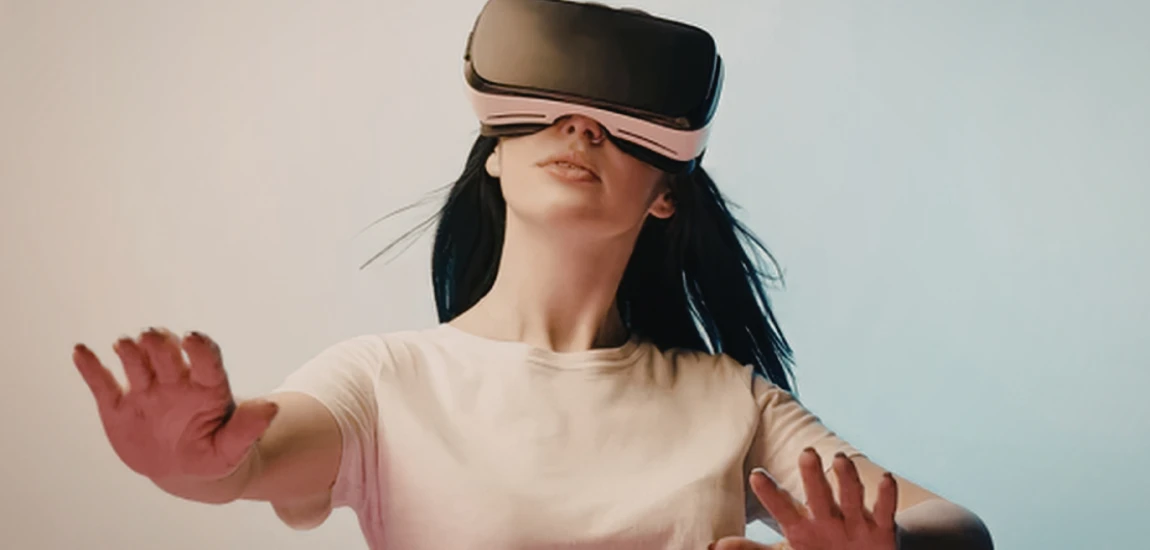
The digital world is rapidly evolving from static interfaces to dynamic, immersive environments where users can interact with digital content in real time. At the forefront of this transformation are Augmented Reality Intelligence Systems, which blend artificial intelligence with augmented reality (AR) to create highly interactive and intelligent digital experiences. These systems are redefining how people engage with technology by overlaying digital information onto the physical world.
Immersive digital interaction platforms powered by AR intelligence are not limited to entertainment; they are transforming industries such as education, healthcare, retail, and manufacturing. By enabling real-time interaction between users and digital elements, these platforms enhance decision-making, improve efficiency, and deliver personalized experiences.
This blog explores the foundations, architecture, enabling technologies, applications, challenges, and future trends of Augmented Reality Intelligence Systems, offering a comprehensive view of their role in shaping the future of digital interaction.
Understanding Augmented Reality Intelligence Systems

Defining AR Intelligence Systems
Augmented Reality Intelligence Systems are advanced platforms that integrate AR technologies with artificial intelligence to deliver context-aware and interactive digital experiences. These systems use computer vision, spatial mapping, and machine learning to understand the environment and overlay relevant digital content.
Unlike traditional AR applications that provide static overlays, AR intelligence systems adapt dynamically based on user behavior and environmental conditions. This creates a more engaging and intuitive user experience.
Core Functional Capabilities
The strength of AR intelligence systems lies in their ability to process real-time data and provide contextual insights. These systems can पहचान objects, track movements, and generate interactive elements that respond to user actions.
They also enable personalized experiences by analyzing user preferences and behavior. This level of customization enhances user engagement and satisfaction.
How AR Differs from Virtual Reality
While both AR and virtual reality (VR) offer immersive experiences, AR enhances the real world by adding digital elements, whereas VR creates a completely virtual environment.
AR intelligence systems bridge the gap between physical and digital worlds, allowing users to interact with both simultaneously. This makes AR more versatile and accessible for everyday applications.
Architecture of Immersive Digital Interaction Platforms

Layered Interaction Frameworks
Immersive digital interaction platforms are built on layered architectures that support seamless integration of hardware and software components. These layers include data acquisition, processing, rendering, and interaction.
Each layer plays a crucial role in ensuring smooth and responsive experiences. The modular design allows for scalability and adaptability, enabling platforms to evolve with technological advancements.
Real-Time Data Processing and Rendering
Real-time processing is essential for delivering immersive AR experiences. Data from sensors and cameras is analyzed instantly to पहचान the environment and generate appropriate digital overlays.
Rendering engines then create high-quality visuals that align with the physical world. This ensures a realistic and immersive experience for users.
User Interaction and Feedback Mechanisms
User interaction is a key component of AR platforms. These systems use gestures, voice commands, and touch inputs to enable intuitive interaction with digital content.
Feedback mechanisms provide real-time responses, ensuring continuous engagement. This creates a seamless interaction loop between the user and the system.
Key Technologies Powering AR Intelligence Systems

Computer Vision and Spatial Mapping
Computer vision enables AR systems to interpret visual data and पहचान objects in the environment. Spatial mapping creates a digital representation of the physical space, allowing for accurate placement of virtual elements.
These technologies are essential for creating realistic and interactive AR experiences.
Artificial Intelligence and Machine Learning
AI and machine learning enhance AR systems by enabling adaptive and intelligent behavior. These technologies allow systems to learn from user interactions and improve over time.
They also support advanced features such as object recognition, predictive analytics, and personalization.
Wearable Devices and Mobile Platforms
Wearable devices such as AR glasses and mobile platforms play a crucial role in delivering AR experiences. These devices provide the hardware needed to capture data and display digital content.
Advancements in hardware technology are making AR more accessible and user-friendly.
Applications Across Industries

Education and Training
AR intelligence systems are transforming education by providing interactive and immersive learning experiences. Students can visualize complex concepts and interact with digital models in real time.
In training environments, AR enables hands-on learning without real-world risks, improving skill development and retention.
Retail and Customer Experience
In retail, AR platforms enhance customer experience by allowing users to visualize products before purchasing. This improves decision-making and reduces returns.
Personalized recommendations and interactive displays further enhance engagement and satisfaction.
Healthcare and Medical Applications
In healthcare, AR systems assist in diagnostics, surgery, and patient care. They provide real-time data and visualizations that help medical professionals make informed decisions.
These systems also support medical training and rehabilitation, improving overall healthcare outcomes.


Kate McCulley, the voice behind "Adventurous Kate," provides travel advice tailored for women. Her blog encourages safe and adventurous travel for female readers.
Kate McCulley

Prev Post

Next Post