
Smart Dust Sensor Networks and Ubiquitous Environmental Intelligence Monitoring Frameworks
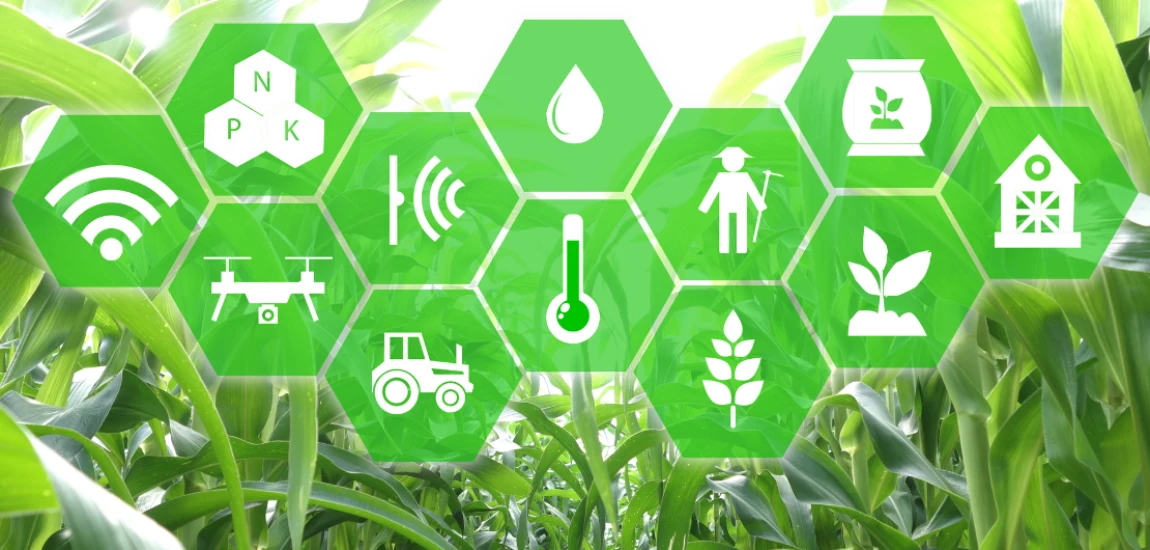
The rapid evolution of sensing technologies, artificial intelligence, nanotechnology, and wireless communication is driving the emergence of a revolutionary innovation known as smart dust sensor networks. These microscopic sensing devices, often no larger than a grain of sand, are capable of detecting, processing, and transmitting environmental information in real time. When deployed in large numbers, smart dust particles create intelligent monitoring ecosystems that can provide unprecedented visibility into physical environments.
Traditional environmental monitoring systems typically rely on centralized sensors, fixed infrastructure, and limited data collection points. While effective in many applications, these approaches often struggle to provide comprehensive coverage across large, dynamic, or difficult-to-access environments. Smart dust overcomes these limitations by distributing thousands or even millions of miniature sensors throughout an area, enabling continuous and highly granular data collection.
Ubiquitous environmental intelligence monitoring frameworks leverage these sensor networks to gather information on air quality, temperature, humidity, pollution levels, structural integrity, biological activity, and countless other environmental variables. Combined with artificial intelligence and cloud computing platforms, smart dust networks transform raw data into actionable insights that support decision-making across industries.
As cities become smarter, industries become more automated, and environmental challenges become more complex, smart dust sensor networks are poised to become foundational technologies for building a more connected, intelligent, and sustainable future.
Core Technologies Enabling Smart Dust Networks

Nanotechnology and Microelectronics
The development of smart dust has been made possible through advances in nanotechnology and microelectronics. Researchers can now manufacture highly sophisticated electronic systems at microscopic scales.
Miniaturized sensors, processors, memory modules, and communication devices fit within extremely compact form factors while maintaining impressive functionality. Continued progress in semiconductor technology is further improving performance and reducing energy consumption.
These innovations form the foundation of modern smart dust architectures.
Wireless Communication Systems
Effective communication is essential for smart dust sensor networks. Individual devices must transmit collected data to neighboring sensors, gateway systems, or centralized processing platforms.
Advanced wireless protocols support low-power communication while maintaining reliable connectivity across large deployments. Mesh networking techniques allow sensors to relay information through multiple paths, improving resilience and coverage.
Efficient communication frameworks enable large-scale environmental intelligence systems to function effectively.
Artificial Intelligence and Data Analytics
The immense volume of data generated by smart dust networks requires advanced analytical capabilities. Artificial intelligence and machine learning algorithms process sensor information, identify patterns, and generate actionable insights.
AI systems can detect anomalies, forecast environmental changes, and optimize network operations automatically. These capabilities transform raw sensor measurements into valuable intelligence.
Intelligent analytics significantly enhance the practical value of environmental monitoring frameworks.
Environmental Intelligence and Ecosystem Monitoring

Real-Time Environmental Observation
One of the most significant advantages of smart dust sensor networks is their ability to provide continuous real-time environmental monitoring. Thousands of distributed sensors collect information simultaneously, creating highly detailed environmental datasets.
Researchers and decision-makers gain immediate visibility into changing conditions, enabling faster responses to emerging issues. Continuous observation improves situational awareness and supports proactive environmental management.
This capability is particularly valuable in rapidly changing ecosystems and sensitive environments.
Air Quality and Pollution Detection
Air pollution remains a major global concern affecting public health and environmental sustainability. Smart dust networks can monitor airborne particles, gases, and pollutants across urban and industrial environments.
High-density sensor deployments provide detailed pollution maps that reveal localized variations often missed by traditional monitoring systems. Authorities can identify pollution sources more accurately and implement targeted mitigation strategies.
Enhanced monitoring supports healthier communities and improved environmental outcomes.
Biodiversity and Ecological Research
Scientists increasingly use advanced sensing technologies to study ecosystems and biodiversity. Smart dust networks can collect data on temperature, humidity, soil conditions, biological activity, and habitat changes.
This information helps researchers understand ecological dynamics and evaluate conservation efforts more effectively. Continuous monitoring improves the accuracy of environmental assessments and long-term ecological studies.
Such capabilities contribute significantly to biodiversity protection initiatives.
Smart Cities and Urban Intelligence Applications

Building Intelligent Urban Infrastructure
Smart cities depend on comprehensive data collection systems to optimize operations and improve quality of life. Smart dust sensor networks provide highly detailed information about urban environments, supporting more informed decision-making.
Distributed sensors monitor traffic flows, infrastructure conditions, environmental quality, and resource utilization. City managers gain unprecedented visibility into complex urban systems.
This intelligence enables more efficient and sustainable urban development strategies.
Infrastructure Health Monitoring
Maintaining infrastructure is a major challenge for growing cities. Smart dust sensors embedded within bridges, roads, tunnels, buildings, and utility systems can continuously monitor structural integrity.
Early detection of stress, corrosion, vibration anomalies, or material degradation enables proactive maintenance before failures occur. Predictive monitoring reduces repair costs and enhances public safety.
Infrastructure intelligence contributes to more resilient urban environments.
Resource Optimization and Sustainability
Cities consume vast amounts of energy, water, and other resources. Smart dust networks support sustainability initiatives by providing detailed resource usage data and environmental insights.
Authorities can identify inefficiencies, optimize consumption patterns, and evaluate the effectiveness of conservation programs. Data-driven management improves environmental performance while reducing operational costs.
These capabilities align closely with modern sustainability goals.


Anil Polat, behind the blog "FoxNomad," combines technology and travel. A computer security engineer by profession, he focuses on the tech aspects of travel.
Anil Polat

Prev Post

Next Post