
Self-Healing Infrastructure Technologies and Intelligent Urban Resilience Systems
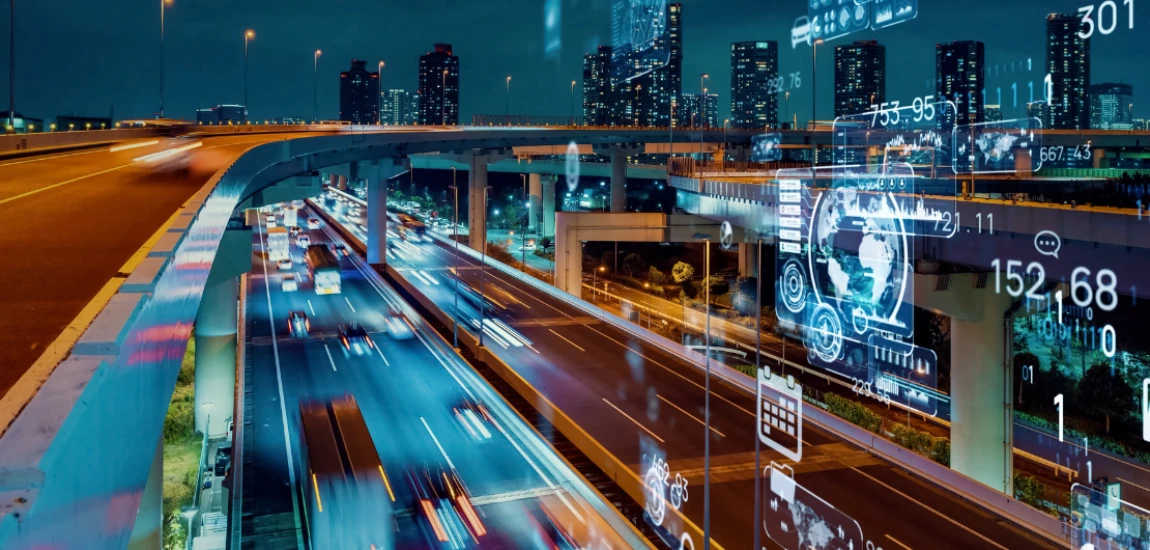
Cities around the world are facing unprecedented challenges. Rapid urbanization, aging infrastructure, climate change, population growth, and increasing demands for public services are placing enormous pressure on urban systems. Roads crack under heavy traffic, bridges deteriorate over time, water pipelines leak, and power grids face disruptions caused by extreme weather events. Traditional maintenance approaches often rely on periodic inspections and reactive repairs, resulting in high costs, service interruptions, and safety risks.
To address these challenges, researchers, engineers, and urban planners are developing a new generation of infrastructure systems that can monitor their own condition, predict failures, and even repair themselves. Known as self-healing infrastructure technologies, these innovations combine advanced materials, embedded sensors, artificial intelligence, robotics, and predictive analytics to create infrastructure that is more adaptive, durable, and efficient.
At the same time, intelligent urban resilience systems are emerging as comprehensive frameworks that connect transportation networks, energy systems, water infrastructure, communication platforms, and emergency services. Together, these technologies form the foundation of future smart cities capable of responding dynamically to environmental changes, disasters, and evolving urban demands.
The future of urban development will depend not only on building stronger infrastructure but also on creating systems capable of learning, adapting, and recovering from challenges with minimal human intervention.
Understanding Self-Healing Infrastructure Technologies and Their Transformative Potential

The Evolution of Infrastructure Maintenance
For decades, infrastructure maintenance has followed a reactive model. Damage is identified through inspections or public complaints, and repairs are scheduled after deterioration becomes visible. While effective in some situations, this approach often allows small problems to grow into major failures before corrective action is taken.
Self-healing infrastructure introduces a proactive model where materials and systems continuously monitor their condition and initiate repair mechanisms automatically. Inspired by biological healing processes found in living organisms, these technologies can detect damage at its earliest stages and respond before structural integrity is compromised.
This shift represents one of the most significant advancements in civil engineering and urban development. Instead of waiting for infrastructure to fail, cities can now invest in systems designed to maintain themselves and extend their operational lifespan.
Core Components of Self-Healing Systems
Modern self-healing infrastructure relies on a combination of advanced technologies working together. Smart materials can repair cracks and surface damage automatically. Sensor networks embedded within structures collect data about stress, temperature, moisture, and vibration levels. Artificial intelligence platforms analyze this information to identify emerging issues and recommend interventions.
In some cases, automated repair mechanisms are integrated directly into the infrastructure. These systems may release healing compounds, activate repair materials, or deploy robotic maintenance solutions when damage is detected.
The integration of physical materials with digital intelligence creates infrastructure capable of adapting to changing conditions while maintaining high levels of performance and safety.
Long-Term Benefits for Urban Development
The adoption of self-healing technologies offers substantial long-term advantages. Infrastructure assets remain operational for longer periods, reducing replacement costs and resource consumption. Maintenance becomes more efficient because repairs occur before major deterioration develops.
Cities benefit from fewer service disruptions, improved public safety, and lower operational expenses. Additionally, reduced material waste and extended infrastructure lifespans contribute to sustainability goals and environmental protection initiatives.
As urban populations continue to grow, self-healing infrastructure will play an increasingly important role in supporting resilient and sustainable development strategies.
Smart Materials Revolutionizing the Future of Urban Infrastructure

Self-Healing Concrete and Advanced Construction Materials
Concrete forms the backbone of modern cities, supporting buildings, bridges, roads, tunnels, and public facilities. However, even the strongest concrete eventually develops cracks due to environmental stress, heavy loads, and aging processes.
Self-healing concrete addresses this challenge through innovative material science. Specialized additives such as bacteria, microcapsules, and chemical healing agents are embedded within the concrete during production. When cracks form and moisture enters the structure, these agents activate and generate substances that seal the damaged areas.
This automatic repair process prevents water infiltration, corrosion, and further deterioration. As a result, infrastructure remains stronger for longer periods while requiring fewer maintenance interventions.
Intelligent Protective Coatings
Protective coatings are another important component of self-healing infrastructure. Bridges, pipelines, steel structures, and transportation systems often face corrosion caused by moisture, pollution, and environmental exposure.
Self-healing coatings contain microscopic capsules filled with repair compounds. When damage occurs, these capsules rupture and release healing agents that seal the affected area. This prevents corrosion from spreading and preserves structural integrity.
The ability to repair minor damage automatically significantly extends the lifespan of critical infrastructure assets while reducing maintenance costs.
Adaptive Materials for Dynamic Environments
Modern cities experience constant environmental fluctuations, including temperature changes, seismic activity, heavy traffic loads, and extreme weather conditions. Adaptive materials are designed to respond dynamically to these challenges.
Shape-memory alloys, responsive polymers, and smart composites can change their properties based on environmental conditions. Some materials expand or contract to reduce stress, while others adjust their structural characteristics to improve resilience.
These innovations allow infrastructure to adapt to changing circumstances, creating urban systems that are not only self-healing but also highly responsive to environmental pressures.
Artificial Intelligence and Predictive Maintenance in Urban Systems

Continuous Infrastructure Monitoring
Artificial intelligence is transforming the way cities monitor and manage infrastructure. Embedded sensors continuously collect data from roads, bridges, buildings, pipelines, and utility networks. This information provides real-time insights into infrastructure performance and condition.
Unlike traditional inspections that occur periodically, continuous monitoring allows city managers to identify issues as they develop. Even subtle changes in vibration patterns, structural stress, or environmental conditions can be detected and analyzed immediately.
This proactive approach improves situational awareness and enables faster responses to emerging challenges.
Predicting Failures Before They Occur
One of the most valuable capabilities of AI-driven infrastructure systems is predictive maintenance. Machine learning algorithms analyze historical and real-time data to identify patterns associated with future failures.
By recognizing early warning signs, these systems can estimate when components are likely to fail and recommend maintenance actions before significant damage occurs. This approach minimizes downtime, reduces repair costs, and improves infrastructure reliability.
Predictive maintenance is particularly valuable for critical assets such as transportation networks, water systems, and energy infrastructure where unexpected failures can have widespread consequences.
Autonomous Infrastructure Management
As AI technologies continue to evolve, infrastructure systems are becoming increasingly autonomous. Intelligent platforms can monitor conditions, identify issues, prioritize repairs, and coordinate maintenance activities with minimal human involvement.
Some systems can even initiate automatic responses when specific conditions are detected. For example, smart water networks may isolate damaged pipeline sections, while intelligent transportation systems can reroute traffic around affected areas.
These capabilities enhance urban resilience by enabling faster and more efficient responses to infrastructure challenges.


Dave Lee runs "GoBackpacking," a blog that blends travel stories with how-to guides. He aims to inspire backpackers and offer them practical advice.
Dave Lee
Prev Post

Next Post