
Robotic Construction Ecosystems and Fully Autonomous Mega Infrastructure Development Systems
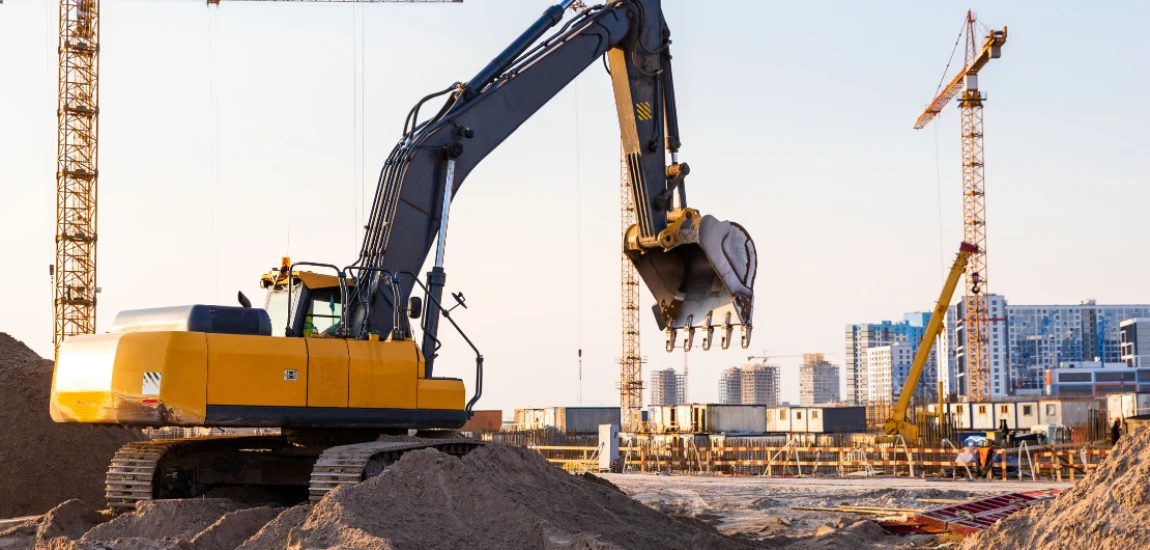
The construction industry is entering a new technological era where artificial intelligence, robotics, automation, and digital engineering are reshaping how buildings and infrastructure are designed and constructed. Traditionally, large-scale construction projects have relied heavily on human labor, heavy machinery, and manual project management. While these methods have successfully built cities, bridges, highways, and skyscrapers, they often involve high costs, long project timelines, safety risks, and resource inefficiencies.
Robotic construction ecosystems and fully autonomous mega infrastructure development systems offer a revolutionary alternative. These intelligent systems integrate autonomous construction robots, AI-powered planning software, drone surveying, digital twin technology, advanced sensors, and automated heavy equipment into a single coordinated ecosystem. Instead of relying solely on human workers, these systems enable machines to collaborate with engineers, architects, and project managers throughout every stage of construction.
As governments invest in smart cities and sustainable infrastructure while industries seek greater efficiency, robotic construction is becoming a key driver of the future built environment. This article explores how these ecosystems work, the technologies behind them, their real-world applications, advantages, challenges, and the future of autonomous infrastructure development.
Understanding Robotic Construction Ecosystems

What Are Robotic Construction Ecosystems?
Robotic construction ecosystems are integrated construction environments where autonomous robots, intelligent software, and digital infrastructure work together to complete building projects with minimal human intervention. Unlike conventional construction methods that separate planning, surveying, material handling, and construction into independent processes, robotic ecosystems connect every activity through real-time digital communication.
Construction robots can perform repetitive and physically demanding tasks such as bricklaying, welding, concrete pouring, excavation, steel assembly, and structural inspections. Artificial intelligence coordinates these machines by assigning tasks, optimizing schedules, and adapting to changing site conditions.
Human engineers remain essential for strategic planning, design decisions, regulatory compliance, and quality assurance, while robotic systems handle repetitive execution with exceptional precision.
Core Components of Autonomous Construction Systems
Modern robotic construction relies on multiple advanced technologies working together. AI-powered project management platforms analyze schedules, budgets, and material availability while optimizing resource allocation.
Autonomous heavy machinery performs excavation, grading, and earthmoving operations with centimeter-level precision using GPS, lidar, and computer vision systems.
Construction drones survey project sites, generate 3D terrain models, inspect completed structures, and monitor project progress. Digital twin platforms create virtual replicas of construction sites, allowing engineers to simulate workflows before physical construction begins.
Internet of Things (IoT) sensors continuously monitor structural integrity, environmental conditions, machinery performance, and worker safety throughout the project lifecycle.
Why Construction Is Moving Toward Automation
Global infrastructure demand continues to increase while skilled labor shortages, rising costs, and strict safety requirements challenge traditional construction practices.
Automation addresses these issues by improving productivity, reducing errors, enhancing worker safety, and enabling continuous operations around the clock. Robotic ecosystems also improve project predictability by minimizing delays caused by human error or inefficient coordination.
As technology becomes more affordable and reliable, autonomous construction is expected to become a standard feature of future infrastructure projects.
Artificial Intelligence and Robotics in Construction

AI-Powered Project Planning
Artificial intelligence has transformed construction planning by analyzing enormous datasets related to budgets, weather forecasts, labor availability, equipment performance, and material logistics.
Machine learning algorithms generate optimized construction schedules, identify potential project risks, and recommend corrective actions before problems arise.
AI also assists architects and engineers during the design phase by evaluating structural performance, sustainability metrics, and construction feasibility.
Autonomous Construction Robots
Construction robots now perform many specialized tasks with remarkable precision. Robotic bricklayers can lay thousands of bricks daily with consistent quality. Concrete-printing robots use additive manufacturing techniques to construct walls and structural components layer by layer.
Autonomous welding robots improve steel fabrication accuracy, while robotic arms install building materials with minimal waste.
These machines reduce repetitive physical labor while maintaining high construction standards.
Computer Vision and Intelligent Site Monitoring
Computer vision systems use cameras and AI algorithms to continuously observe construction sites. These systems detect equipment movement, monitor worker safety, verify construction quality, and identify deviations from design specifications.
Real-time visual analysis enables immediate corrective action, reducing costly rework and improving overall project quality.
Autonomous Mega Infrastructure Development

Smart Transportation Infrastructure
Autonomous construction technologies are increasingly used to build highways, bridges, rail networks, tunnels, airports, and ports.
AI coordinates heavy machinery, manages logistics, and monitors structural progress throughout each construction phase.
Automated surveying systems ensure precise alignment while reducing project timelines.
High-Rise Buildings and Smart Cities
Future skyscrapers and smart city infrastructure will rely heavily on robotic construction systems. Autonomous cranes, material transport robots, and 3D printing technologies will accelerate urban development while improving construction safety.
Digital infrastructure integrated into smart cities allows buildings to communicate with maintenance systems throughout their operational lifespan.
Disaster Recovery and Remote Construction
Robotic construction systems are especially valuable in disaster zones and remote environments where human access may be dangerous or limited.
Autonomous machines can rapidly construct emergency shelters, repair damaged infrastructure, and restore transportation networks after natural disasters.
These systems also support infrastructure development in deserts, polar regions, offshore facilities, and future space missions.
Benefits of Robotic Construction Ecosystems

Improved Productivity and Speed
One of the greatest advantages of robotic construction is significantly faster project completion. Robots operate continuously with consistent precision, reducing downtime and accelerating construction schedules.
Automated workflows also improve coordination between multiple construction activities, preventing delays.
Enhanced Safety and Reduced Risk
Construction remains one of the world's most hazardous industries. Autonomous machines perform dangerous tasks such as heavy lifting, demolition, work at height, and hazardous material handling.
This greatly reduces workplace injuries while allowing human workers to focus on supervision and technical decision-making.
Sustainability and Resource Efficiency
Robotic systems optimize material usage through precise measurements and automated quality control. This reduces waste, lowers energy consumption, and supports environmentally sustainable construction practices.
AI also helps select sustainable materials and optimize building designs for long-term energy efficiency.


Derek Baron, also known as "Wandering Earl," offers an authentic look at long-term travel. His blog contains travel stories, tips, and the realities of a nomadic lifestyle.
Derek Baron

Prev Post
Next Post