
AI-Governed Smart City Networks and the Future of Fully Autonomous Urban Management Systems
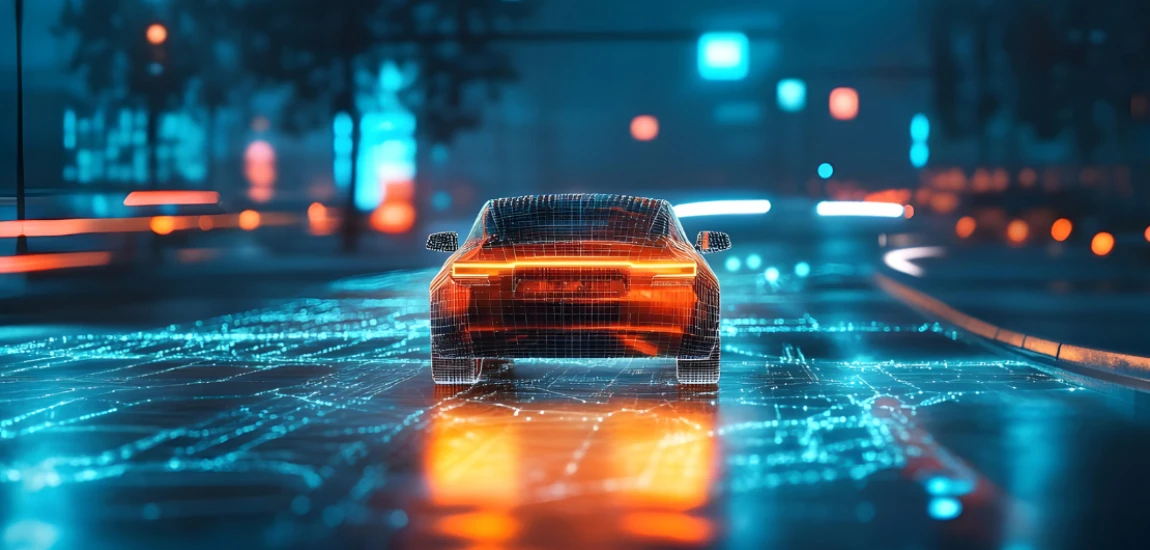
Cities are becoming increasingly complex as populations grow, infrastructure expands, and demands for public services continue to rise. Traditional urban management approaches often struggle to keep pace with modern challenges such as traffic congestion, energy consumption, pollution, public safety concerns, and resource allocation. To address these issues, governments and technology innovators are developing a new generation of intelligent urban ecosystems known as AI-Governed Smart City Networks.
These advanced city frameworks combine artificial intelligence, machine learning, Internet of Things (IoT) devices, cloud computing, digital twins, edge computing, autonomous systems, and real-time analytics to create highly responsive urban environments. Unlike conventional smart cities that primarily rely on connected devices and data collection, AI-governed smart city networks can analyze information, make decisions, predict future conditions, and autonomously optimize city operations with minimal human intervention.
The ultimate goal is the development of fully autonomous urban management systems capable of coordinating transportation networks, energy grids, water systems, emergency services, public infrastructure, and environmental monitoring in real time. Such systems have the potential to improve efficiency, reduce operational costs, enhance sustainability, and significantly improve the quality of life for residents.
As urbanization accelerates worldwide, AI-governed smart city networks are emerging as a critical solution for creating resilient, sustainable, and adaptive cities capable of meeting the needs of future generations.
Understanding AI-Governed Smart City Networks

The Evolution from Smart Cities to Autonomous Cities
The concept of smart cities originally focused on integrating digital technologies into urban infrastructure. Sensors, connected devices, and data analytics enabled municipalities to monitor city operations more effectively. However, early smart city systems often required substantial human oversight and manual decision-making.
AI-governed smart city networks represent the next stage of this evolution. These systems move beyond monitoring and reporting by incorporating advanced artificial intelligence capable of autonomous decision-making. Instead of merely collecting information, AI systems actively interpret data, identify patterns, and implement solutions automatically.
This transformation enables cities to respond dynamically to changing conditions. Traffic systems can reroute vehicles instantly, energy grids can balance power consumption automatically, and emergency services can optimize response strategies in real time. The result is a city that continuously learns, adapts, and improves its operations.
Core Components of Intelligent Urban Networks
AI-governed city ecosystems rely on interconnected technologies working together seamlessly. IoT sensors collect real-time information from transportation systems, utilities, public facilities, and environmental monitoring stations. Edge computing devices process data locally for rapid response, while cloud platforms provide large-scale computational resources.
Artificial intelligence acts as the central intelligence layer, analyzing information and coordinating decision-making across multiple city systems. Digital twins create virtual models of urban environments, allowing planners to simulate scenarios and predict outcomes before implementing changes.
Together, these technologies form an integrated urban intelligence platform capable of managing complex city operations with unprecedented efficiency.
Why AI Governance Matters
AI governance enables cities to manage increasing complexity without proportionally increasing administrative costs. By automating routine decisions and optimizing resource allocation, municipalities can improve service delivery while reducing inefficiencies.
As cities continue growing, AI-driven governance will become essential for maintaining sustainable and effective urban environments.
Intelligent Transportation and Autonomous Mobility Systems

Real-Time Traffic Optimization
Traffic congestion remains one of the most significant challenges facing urban areas worldwide. AI-governed transportation systems use real-time data from cameras, sensors, connected vehicles, and public transportation networks to optimize traffic flow continuously.
Machine learning algorithms analyze traffic patterns, predict congestion points, and adjust signal timings dynamically. This proactive approach minimizes delays, reduces fuel consumption, and improves overall transportation efficiency.
As autonomous vehicles become more widespread, AI systems will coordinate interactions between vehicles and infrastructure, creating safer and more efficient transportation networks.
Smart Public Transportation Networks
Public transportation systems generate vast amounts of operational data. AI can analyze passenger demand, route performance, and service reliability to optimize scheduling and resource allocation.
Autonomous buses, trains, and shared mobility services may eventually operate within fully coordinated transportation ecosystems. These systems can adapt to changing conditions in real time, ensuring efficient service delivery while minimizing operational costs.
Improved public transportation contributes to reduced congestion and enhanced urban sustainability.
Integrated Mobility Ecosystems
Future cities will likely feature integrated mobility platforms that combine multiple transportation modes into seamless user experiences. Residents may use unified applications to access autonomous vehicles, public transit, bicycles, and shared mobility services.
AI-driven coordination ensures that transportation resources are utilized efficiently while providing convenient and personalized travel options.
Smart Energy, Utilities, and Resource Management

Autonomous Energy Grid Management
Modern cities consume enormous amounts of energy, making efficient power management essential. AI-governed smart grids continuously monitor electricity generation, distribution, and consumption patterns.
Advanced analytics allow energy systems to predict demand fluctuations and optimize resource allocation automatically. Renewable energy sources such as solar and wind can be integrated more effectively through intelligent grid management.
This capability enhances energy reliability while supporting sustainability goals.
Water Distribution and Conservation
Water management is another critical component of autonomous urban systems. AI-powered monitoring platforms can detect leaks, optimize distribution networks, and predict future demand patterns.
Real-time analytics enable cities to reduce water waste and improve infrastructure performance. Smart water systems contribute to long-term resource sustainability and operational efficiency.
As water scarcity becomes a growing concern globally, intelligent management solutions will become increasingly important.
Waste Management Optimization
Traditional waste collection systems often operate on fixed schedules regardless of actual demand. AI-driven waste management systems use sensor data to optimize collection routes and schedules based on real-time conditions.
This approach reduces fuel consumption, lowers operational costs, and improves service efficiency. Smart waste management also supports broader environmental sustainability initiatives.
Public Safety, Security, and Emergency Response

Predictive Public Safety Systems
AI-governed smart city networks can significantly enhance public safety through predictive analytics and real-time monitoring. Intelligent systems analyze data from surveillance networks, emergency services, and environmental sensors to identify potential risks before they escalate.
Predictive capabilities enable authorities to allocate resources proactively and improve incident prevention strategies. Enhanced situational awareness supports faster and more effective responses to emerging threats.
These capabilities strengthen overall urban resilience.
Autonomous Emergency Management
Emergency response systems benefit greatly from AI-driven coordination. During natural disasters, accidents, or public safety incidents, intelligent platforms can analyze conditions and deploy resources efficiently.
Autonomous management systems may coordinate emergency vehicles, optimize evacuation routes, and provide real-time updates to residents. This rapid decision-making capability can save lives and reduce the impact of emergencies.
As AI technologies advance, emergency response effectiveness will continue improving.
Cybersecurity for Connected Cities
The increasing digitization of urban infrastructure creates new cybersecurity challenges. AI-powered security systems monitor networks continuously, detecting anomalies and responding to threats in real time.
Protecting critical infrastructure from cyberattacks is essential for maintaining city operations and public trust. Advanced cybersecurity frameworks will be fundamental components of future autonomous cities.


Kate McCulley, the voice behind "Adventurous Kate," provides travel advice tailored for women. Her blog encourages safe and adventurous travel for female readers.
Kate McCulley

Prev Post

Next Post