
Quantum Sensor Intelligence Platforms and the Evolution of Hyper-Accurate Environmental Monitoring
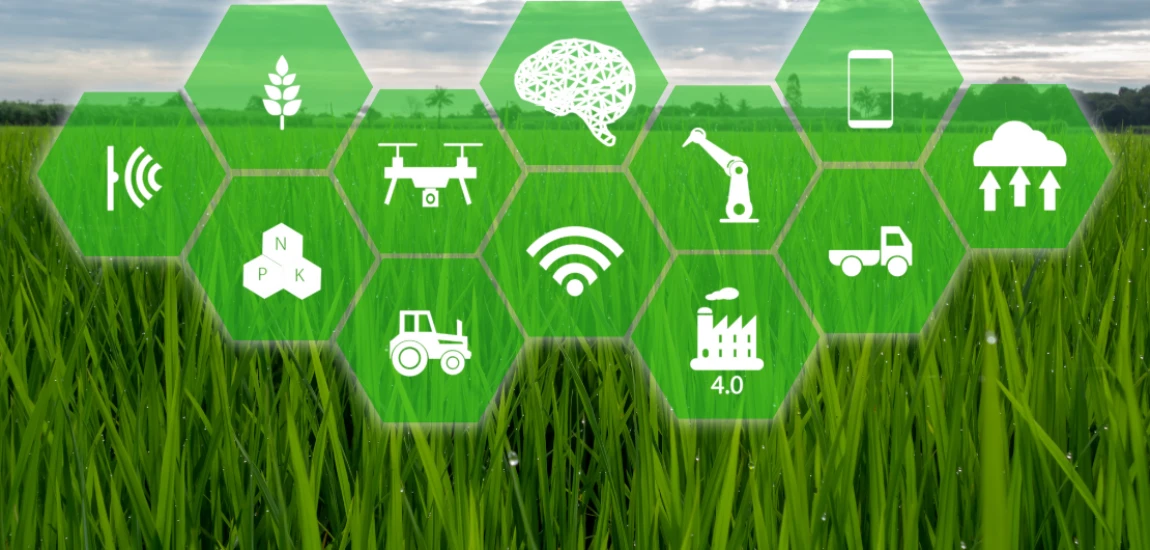
As environmental challenges become increasingly complex, the demand for highly accurate monitoring systems has never been greater. Climate change, pollution, biodiversity loss, natural disasters, and resource management require precise, real-time environmental data to support informed decision-making. Traditional monitoring technologies have made significant progress, but they often face limitations in sensitivity, accuracy, and detection capabilities. Quantum Sensor Intelligence Platforms represent the next generation of environmental monitoring by combining quantum sensing technologies with artificial intelligence, advanced analytics, cloud computing, and intelligent automation.
Unlike conventional sensors, quantum sensors exploit the unique properties of quantum mechanics to measure extremely small variations in magnetic fields, gravity, temperature, pressure, and electromagnetic signals with exceptional precision. Artificial intelligence processes this vast amount of high-resolution data, transforming raw measurements into meaningful insights that support environmental protection, scientific research, disaster management, and sustainable development.
As quantum technologies continue advancing, intelligent quantum sensing platforms are expected to revolutionize how governments, researchers, industries, and communities observe and protect the natural world.
Understanding Quantum Sensor Intelligence Platforms

What Are Quantum Sensor Intelligence Platforms?
Quantum Sensor Intelligence Platforms are advanced monitoring systems that integrate quantum sensors with artificial intelligence, high-performance computing, Internet of Things (IoT) networks, and cloud-based analytics. These platforms continuously collect highly precise environmental measurements while AI interprets the information in real time.
Unlike traditional sensors that rely on classical physical principles, quantum sensors utilize atomic properties, quantum superposition, and quantum interference to detect incredibly small environmental changes. This enables measurements that are significantly more accurate than many conventional sensing technologies.
By combining quantum precision with intelligent data analysis, these platforms provide continuous situational awareness across ecosystems, industrial facilities, transportation networks, research laboratories, and smart cities.
Core Technologies Behind Quantum Environmental Monitoring
Several advanced technologies work together to enable quantum sensor intelligence platforms. Quantum sensing devices provide ultra-sensitive measurements of magnetic fields, gravitational changes, temperature variations, pressure, chemical composition, and atmospheric conditions.
Artificial intelligence analyzes incoming sensor data using machine learning algorithms capable of identifying hidden patterns, predicting environmental trends, and detecting anomalies before they become serious problems. Edge computing performs rapid local data processing, while cloud computing supports long-term storage, large-scale analytics, and collaborative scientific research.
High-speed communication networks connect distributed sensor arrays, enabling continuous information sharing across extensive monitoring systems operating on land, in oceans, and even in space.
The Evolution from Conventional Sensors to Quantum Intelligence
Environmental monitoring has evolved significantly over recent decades. Early measurement systems relied primarily on mechanical instruments and basic electronic sensors that provided limited precision and relatively slow data collection.
Modern sensor networks introduced digital automation and wireless communication, improving monitoring capabilities considerably. However, quantum sensing now represents another major technological leap by offering sensitivity levels previously impossible to achieve.
Artificial intelligence further enhances these capabilities by transforming highly detailed quantum measurements into practical insights that support scientific research, environmental conservation, disaster preparedness, and sustainable resource management.
How Artificial Intelligence Enhances Quantum Sensor Platforms

Intelligent Data Processing and Analysis
Quantum sensors generate enormous volumes of highly detailed environmental information. Artificial intelligence plays a crucial role in processing these complex datasets quickly and accurately.
Machine learning algorithms identify meaningful patterns across atmospheric conditions, geological activity, water quality, climate variables, and ecological changes. Rather than simply storing measurements, AI converts raw sensor data into predictive insights that support proactive environmental management.
Researchers can monitor multiple environmental systems simultaneously while receiving real-time recommendations based on continuously evolving data analysis.
Predictive Environmental Monitoring
One of the greatest strengths of AI-powered quantum sensor platforms is their predictive capability. Instead of reacting only after environmental problems occur, machine learning models forecast future conditions using historical observations combined with real-time sensor measurements.
Artificial intelligence can predict air pollution trends, groundwater contamination, climate variability, forest fire risks, coastal flooding, volcanic activity, and infrastructure deterioration before significant damage occurs. These early warnings enable governments, industries, and emergency responders to implement preventive measures more effectively.
Predictive monitoring improves public safety while supporting long-term environmental planning and sustainable development initiatives.
Continuous Learning and System Optimization
Artificial intelligence enables quantum sensor intelligence platforms to continuously improve their performance through adaptive learning. Every environmental observation contributes additional knowledge that refines future predictive models.
AI automatically adjusts sensor calibration, identifies optimal monitoring strategies, reduces false alarms, and enhances measurement accuracy based on changing environmental conditions. Predictive maintenance also identifies potential equipment failures before monitoring performance declines.
As quantum sensor networks expand globally, intelligent learning systems will provide increasingly comprehensive environmental awareness while improving operational efficiency across scientific, industrial, and governmental applications.
Applications of Quantum Sensor Intelligence Platforms

Advancing Climate and Environmental Research
Quantum sensor intelligence platforms are transforming climate science by providing highly accurate environmental measurements that were previously difficult or impossible to obtain. Scientists can monitor atmospheric composition, greenhouse gas concentrations, ocean temperatures, soil moisture, ice sheet movement, and biodiversity changes with exceptional precision.
Artificial intelligence continuously analyzes these massive datasets to identify climate patterns, seasonal variations, and long-term environmental trends. Researchers gain deeper insights into the effects of climate change, allowing governments and environmental organizations to develop more informed sustainability strategies.
Quantum sensors can also improve the monitoring of fragile ecosystems such as rainforests, coral reefs, wetlands, and polar regions. Continuous data collection helps conservationists detect ecological changes early, supporting wildlife protection and habitat restoration before irreversible damage occurs.
Strengthening Disaster Prediction and Emergency Response
Natural disasters often develop rapidly, leaving limited time for preparation. Quantum sensor intelligence platforms improve early warning capabilities by detecting subtle environmental changes that may indicate impending hazards.
AI-powered quantum sensors can identify seismic activity associated with earthquakes, monitor volcanic movement, detect changes in groundwater levels, track hurricanes, and measure atmospheric conditions that contribute to severe weather events. Predictive analytics evaluate these measurements to estimate potential risks and recommend timely response strategies.
Emergency management agencies benefit from real-time environmental intelligence that improves evacuation planning, infrastructure protection, and disaster recovery operations. Earlier warnings help reduce economic losses while protecting lives and critical public infrastructure.
Supporting Smart Cities, Agriculture, and Industry
Modern smart cities depend on accurate environmental information to optimize urban infrastructure and improve quality of life. Quantum sensor intelligence platforms monitor air quality, traffic emissions, noise pollution, structural stability, water systems, and energy consumption with remarkable precision.
In agriculture, farmers use quantum sensing technologies to measure soil health, nutrient levels, irrigation requirements, and crop conditions. AI analyzes these data to recommend precision farming strategies that increase productivity while conserving water and reducing chemical usage.
Industrial facilities also benefit from continuous environmental monitoring by detecting hazardous gas leaks, monitoring equipment performance, optimizing manufacturing conditions, and ensuring regulatory compliance. Intelligent environmental monitoring supports safer workplaces while improving operational efficiency.
Benefits of Hyper-Accurate Environmental Monitoring

Unmatched Precision and Data Quality
One of the greatest advantages of quantum sensor intelligence platforms is their extraordinary measurement accuracy. Quantum sensors detect minute environmental variations that conventional monitoring technologies may overlook.
This higher level of precision improves scientific research, environmental assessments, infrastructure inspections, and industrial operations. Decision-makers receive more reliable information, enabling better planning and resource management.
Improved measurement quality also strengthens long-term environmental databases, supporting more accurate climate models and predictive simulations.
Real-Time Decision-Making Through Artificial Intelligence
Artificial intelligence transforms continuous sensor measurements into practical insights that support immediate action. Rather than waiting for manual data analysis, AI evaluates incoming information in real time and automatically identifies emerging environmental risks.
Governments can respond more quickly to pollution events, industries can detect equipment failures before accidents occur, and emergency responders receive earlier warnings about developing natural hazards. Faster decision-making reduces response times while improving operational effectiveness.
Real-time intelligence also enables adaptive environmental management strategies that evolve continuously as conditions change.
Supporting Sustainability and Resource Management
Sustainable development depends on accurate environmental information. Quantum sensor intelligence platforms provide continuous monitoring that helps organizations optimize natural resource usage while minimizing environmental impact.
AI identifies opportunities to reduce water consumption, improve energy efficiency, monitor emissions, and protect sensitive ecosystems. Businesses can strengthen environmental compliance while lowering operational costs through more efficient resource management.
Governments benefit from better environmental data when developing policies related to climate adaptation, conservation, infrastructure planning, and renewable energy deployment.


Shivya Nath authors "The Shooting Star," a blog that covers responsible and off-the-beaten-path travel. She writes about sustainable tourism and community-based experiences.
Shivya Nath
Prev Post

Next Post