
Quantum Neural Synchronization Systems and Global Brain-to-Brain Communication Architectures
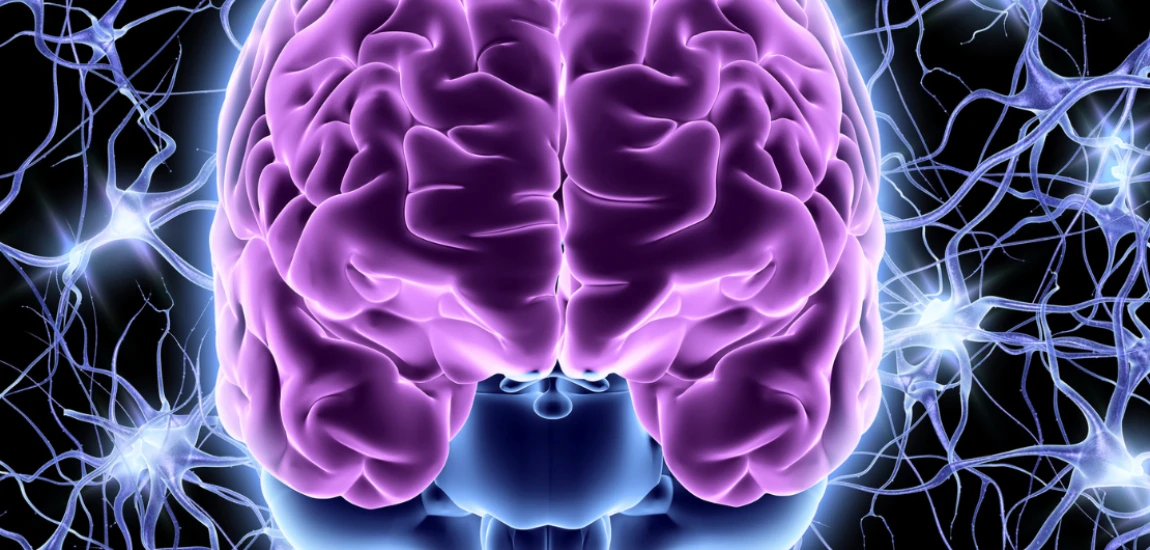
The future of communication may extend far beyond smartphones, video calls, and social media platforms. Emerging concepts such as Quantum Neural Synchronization Systems and Global Brain-to-Brain Communication Architectures envision a world where thoughts, emotions, knowledge, and experiences can be transmitted directly between human minds. While these technologies remain largely theoretical, rapid advancements in quantum computing, neuroscience, artificial intelligence, and brain-computer interfaces suggest that direct neural communication could eventually become a reality.
Traditional communication methods rely on language, symbols, and external devices to exchange information. Brain-to-brain communication architectures seek to eliminate many of these barriers by establishing direct neural connections. When enhanced by quantum synchronization mechanisms, these systems could potentially enable real-time sharing of cognitive information across vast distances with unprecedented speed and efficiency.
This revolutionary vision has the potential to transform education, healthcare, scientific research, business collaboration, and global problem-solving. As researchers continue exploring the boundaries of human cognition and quantum information science, Quantum Neural Synchronization Systems are emerging as one of the most fascinating concepts in the future technology landscape.
Understanding Quantum Neural Synchronization Systems

The Concept of Neural Synchronization
Neural synchronization refers to the coordinated activity of neurons within the brain. Different regions of the brain constantly communicate through synchronized electrical signals that support cognition, memory formation, perception, and decision-making. Scientists believe that synchronized neural activity plays a critical role in consciousness and information processing.
Quantum Neural Synchronization Systems extend this concept beyond individual brains. Instead of synchronization occurring solely within a single brain, advanced technologies could facilitate synchronization between multiple human brains. Such systems would create a shared information framework where neural patterns can be exchanged and interpreted across connected individuals.
Quantum Computing and Cognitive Connectivity
Quantum computing introduces computational capabilities that exceed those of conventional digital systems. By leveraging quantum phenomena such as superposition and entanglement, future neural communication networks could process vast amounts of cognitive data simultaneously.
Quantum processors may serve as intermediaries that translate neural signals into quantum information states, allowing highly efficient transmission and synchronization of brain activity. This capability could significantly reduce communication delays and improve the fidelity of neural information exchange.
Bridging Neuroscience and Quantum Information
The integration of neuroscience with quantum information science represents a multidisciplinary frontier. Researchers are investigating whether quantum effects influence cognitive processes and how quantum technologies might enhance neural signal processing.
Future systems may combine advanced neural sensors, quantum communication channels, and AI-driven decoding mechanisms to create seamless interactions between human minds. Such integration would lay the foundation for truly interconnected cognitive networks.
Core Components of Global Brain-to-Brain Communication Architectures

Advanced Brain-Computer Interfaces
Brain-computer interfaces (BCIs) serve as the foundational technology for direct neural communication. These systems capture neural activity and convert it into digital signals that computers can interpret.
Future BCIs will likely become significantly more sophisticated, enabling high-resolution monitoring of thoughts, emotions, memories, and sensory experiences. Non-invasive neural interfaces may eventually provide safe and practical access to brain-to-brain communication networks for everyday users.
Quantum Communication Infrastructure
A global neural communication network would require an advanced communication infrastructure capable of handling enormous volumes of neural data. Quantum communication networks could provide the necessary bandwidth, security, and synchronization capabilities.
Quantum communication channels offer unique advantages, including ultra-secure information transfer and potentially instantaneous coordination between distributed systems. These capabilities could support large-scale cognitive networks connecting millions of individuals worldwide.
Artificial Intelligence Integration
Artificial intelligence will play a critical role in interpreting and translating neural information. Human brain activity is extraordinarily complex, making direct signal exchange challenging without intelligent processing systems.
AI algorithms could decode neural patterns, filter irrelevant information, translate thoughts into understandable formats, and personalize communication protocols. This intelligent layer would ensure efficient and meaningful interactions between connected minds.
Potential Applications Across Industries and Society

Transforming Education and Learning
One of the most exciting applications of Quantum Neural Synchronization Systems involves education. Instead of relying solely on textbooks and lectures, future learners could potentially access knowledge through direct neural transmission.
Complex concepts, skills, and experiences could be shared more efficiently, reducing learning times and enhancing comprehension. Students may benefit from immersive educational environments where expertise can be transferred directly from educators to learners.
Revolutionizing Healthcare and Mental Wellness
Healthcare could experience dramatic improvements through advanced neural communication technologies. Physicians may gain deeper insights into neurological conditions by observing synchronized neural activity across populations.
Patients suffering from communication impairments, paralysis, or cognitive disorders could use brain-to-brain interfaces to interact more effectively with caregivers and loved ones. Mental health professionals might also utilize neural synchronization technologies to better understand emotional states and psychological conditions.
Enhancing Scientific Collaboration
Scientific research often depends on collaboration among experts from diverse disciplines. Global brain-to-brain communication architectures could dramatically accelerate innovation by enabling researchers to share insights directly through interconnected cognitive networks.
Collaborative problem-solving could become more efficient, allowing scientists to tackle complex challenges in medicine, climate science, engineering, and space exploration with unprecedented speed.
The Role of Collective Intelligence and Shared Cognition

Building Global Knowledge Networks
Collective intelligence emerges when groups of individuals combine their knowledge and expertise to solve problems more effectively than any individual alone. Quantum Neural Synchronization Systems could significantly enhance collective intelligence by creating direct cognitive connections among participants.
Global knowledge networks would enable real-time sharing of ideas, discoveries, and experiences. Information could flow seamlessly between experts, organizations, and communities, fostering innovation and accelerating progress.
Distributed Decision-Making Systems
Future societies may utilize synchronized neural networks for collaborative governance and decision-making. Citizens could contribute insights and perspectives through secure cognitive platforms, creating more informed and inclusive policy development processes.
Such systems could improve transparency, reduce communication barriers, and strengthen democratic participation by enabling deeper engagement between stakeholders.
Expanding Human Cognitive Capacity
Shared cognition may effectively increase humanity's collective intellectual capacity. By connecting multiple minds into cooperative networks, individuals could access broader perspectives and specialized expertise that would otherwise remain isolated.
This expansion of cognitive resources could support breakthroughs in scientific discovery, technological development, and global problem-solving initiatives.


Operating "The Blonde Abroad," Kiersten Rich specializes in solo female travel. Her blog provides destination guides, packing tips, and travel resources.
Kiersten Rich

Prev Post

Next Post