
Quantum Neural Interface Systems and Brain–Computer Communication Optimization Architectures
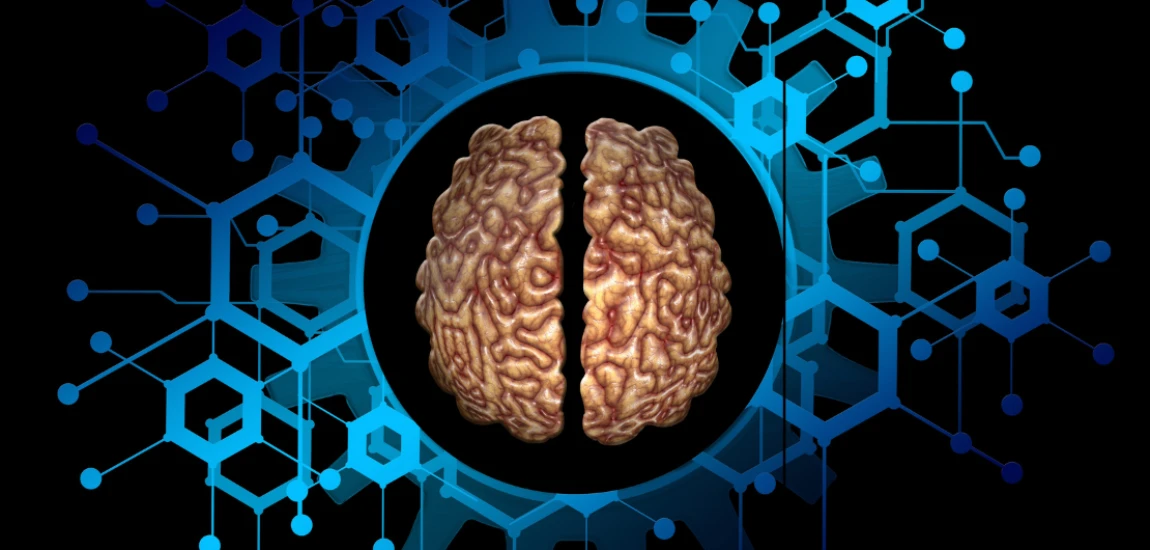
The evolution of artificial intelligence, neuroscience, and quantum computing has introduced a groundbreaking technological frontier known as quantum neural interface systems. These advanced architectures aim to establish seamless communication between the human brain and intelligent digital systems. By integrating quantum-enhanced processing with brain–computer communication frameworks, researchers and engineers are creating systems capable of interpreting neural activity with unprecedented speed and accuracy.
Modern industries are increasingly exploring brain–computer interfaces (BCIs) for healthcare, robotics, cybersecurity, defense, and smart automation. However, traditional neural communication systems often struggle with data complexity, latency, and real-time signal interpretation. Quantum neural architectures address these limitations by leveraging quantum computing principles such as superposition and entanglement to optimize neural data transmission and processing.
As neural engineering advances, intelligent communication optimization frameworks are becoming central to next-generation cognitive technologies. These systems are expected to reshape human–machine collaboration, accelerate medical innovation, and redefine digital interaction across global industries.
Understanding Quantum Neural Interface Systems

Quantum neural interface systems combine neuroscience, machine learning, and quantum computing to create highly intelligent brain–computer communication environments. These systems capture neural signals from the brain, process them using advanced algorithms, and convert them into digital instructions that machines can understand.
Integration of Quantum Computing and Neuroscience
Quantum computing dramatically enhances computational performance by processing multiple states simultaneously. In neural interfaces, this capability allows faster interpretation of complex brainwave patterns and cognitive signals. Traditional processors analyze neural activity sequentially, while quantum processors can handle enormous datasets in parallel.
This integration enables more efficient brain mapping, neural decoding, and cognitive prediction. Researchers are using quantum-enhanced models to identify emotional states, motor intentions, and neurological patterns with higher precision than conventional computing systems.
Neural Signal Acquisition and Processing
Brain–computer interfaces rely on sensors and neural implants to collect electrical signals generated by the brain. Quantum neural systems improve the interpretation of these signals by minimizing noise and enhancing pattern recognition accuracy.
Advanced AI algorithms process neural activity in real time, allowing users to control external devices through thought alone. These technologies are already being explored in prosthetics, robotic assistance, and neurorehabilitation systems.
Role of Artificial Intelligence in Neural Interfaces
Artificial intelligence acts as the core intelligence layer within quantum neural architectures. AI-driven systems continuously learn from neural patterns and optimize communication pathways over time.
Machine learning models can adapt to individual brain behaviors, making neural communication more personalized and efficient. This adaptive capability significantly improves the responsiveness and reliability of brain–computer interaction systems.
Brain–Computer Communication Optimization Architectures

Brain–computer communication optimization architectures are designed to enhance the efficiency, speed, and reliability of neural data exchange between humans and machines. These architectures focus on minimizing latency while maximizing neural interpretation accuracy.
Real-Time Neural Communication Frameworks
One of the biggest challenges in brain–computer communication is processing neural signals in real time. Quantum-enhanced architectures enable instantaneous data processing, allowing faster interaction between users and connected systems.
Real-time neural frameworks are especially important in medical robotics, autonomous vehicles, and augmented reality systems where delays can significantly impact performance and safety.
These architectures use intelligent signal routing and predictive analytics to improve communication efficiency. By anticipating neural intentions before completion, systems can respond more naturally to user commands.
Cognitive Data Compression Techniques
The human brain generates enormous amounts of neural information every second. Efficient communication architectures must compress and transmit this data without losing critical information.
Quantum neural systems use advanced compression algorithms powered by AI and quantum processing to optimize bandwidth usage. These technologies reduce computational load while maintaining accurate neural interpretation.
Efficient data compression is essential for wearable brain–computer devices, remote healthcare systems, and portable neurotechnology applications.
Adaptive Communication Pathways
Modern neural architectures are designed to evolve continuously based on user behavior and cognitive patterns. Adaptive communication pathways help systems improve signal clarity and responsiveness over time.
These intelligent frameworks dynamically adjust neural routing strategies depending on environmental conditions, user activity, and cognitive workload. This flexibility increases overall communication efficiency and enhances user experience.
Adaptive optimization also supports personalized neural healthcare applications by tailoring communication strategies to individual neurological conditions.
Applications of Quantum Neural Interface Technologies

Quantum neural interface technologies are transforming multiple industries by enabling advanced human–machine collaboration and intelligent cognitive interaction.
Healthcare and Neurorehabilitation
Healthcare remains one of the most promising sectors for brain–computer communication systems. Quantum neural interfaces can assist patients suffering from paralysis, neurological disorders, and cognitive impairments.
Advanced neural implants allow individuals to control prosthetic limbs through brain signals. AI-powered neural architectures also help doctors monitor neurological activity and predict medical conditions before symptoms appear.
Neurorehabilitation programs use intelligent neural systems to accelerate recovery after strokes and brain injuries. Real-time brain monitoring enables personalized therapy and improved treatment outcomes.
Robotics and Autonomous Systems
Quantum neural communication frameworks significantly improve robotic intelligence and responsiveness. Robots equipped with brain–computer interfaces can interpret human intentions more accurately and collaborate more naturally with users.
Industrial automation systems benefit from neural optimization architectures by enabling operators to control machines through cognitive commands. This reduces physical workload and enhances operational precision.
Autonomous systems such as drones and smart vehicles also utilize neural communication technologies for advanced decision-making and adaptive control mechanisms.
Smart Environments and Human Augmentation
Future smart cities may integrate brain–computer communication networks into homes, workplaces, and public infrastructure. Intelligent environments could respond automatically to human emotions, stress levels, and cognitive preferences.
Human augmentation technologies powered by neural interfaces may enhance memory, concentration, and sensory perception. These advancements could reshape education, productivity, and digital interaction across society.
Wearable neurotechnology devices are already being developed to improve focus, monitor mental health, and optimize cognitive performance.
Challenges in Quantum Brain–Computer Communication Systems

Despite rapid innovation, quantum neural interface systems face several technological, ethical, and operational challenges.
Data Privacy and Neural Security
Brain–computer communication systems process highly sensitive neurological information. Protecting this data from cyber threats and unauthorized access is a major concern.
Quantum neural systems require advanced cybersecurity frameworks capable of safeguarding cognitive data and neural communication channels. Encryption technologies and AI-driven threat detection systems play critical roles in ensuring neural privacy.
Unauthorized access to neural data could create serious ethical and legal concerns, making cybersecurity a top priority for developers and governments.
Hardware Complexity and Scalability
Quantum computing infrastructure remains highly complex and expensive. Building scalable quantum neural systems requires advanced hardware capable of maintaining stability under demanding computational conditions.
Neural implants and brain sensors must also become smaller, safer, and more energy efficient to support widespread adoption. Researchers are continuously developing lightweight neurotechnology components to improve accessibility and usability.
Scalability challenges currently limit large-scale deployment of advanced quantum neural architectures across industries.
Ethical and Social Implications
The integration of brain–computer communication technologies raises important ethical questions regarding cognitive freedom, privacy, and human identity.
Some experts worry about excessive dependence on neural augmentation technologies and potential misuse of cognitive data. Governments and technology organizations must establish ethical frameworks and regulations to guide responsible development.
Transparency, informed consent, and human rights protections will be essential as quantum neural systems become more advanced and accessible.
Future Innovations in Quantum Neural Architectures

The future of quantum neural interface systems promises extraordinary advancements in intelligent communication and cognitive technology.
AI-Driven Cognitive Enhancement
Future neural architectures may enhance learning speed, memory retention, and problem-solving abilities using AI-assisted cognitive optimization.
Quantum-enhanced AI systems could analyze neural activity continuously and recommend personalized strategies for improving mental performance. These technologies may revolutionize education, professional training, and human productivity.
Researchers are also exploring brain-to-brain communication systems that allow direct neural interaction between individuals.
Quantum Cloud Brain Networks
Cloud-based quantum neural networks could enable secure sharing of neural information across global communication systems. These networks would support collaborative intelligence, remote healthcare, and distributed cognitive computing.
Quantum cloud architectures may provide real-time neural processing capabilities for millions of connected users simultaneously. This could significantly accelerate the development of intelligent global communication ecosystems.
Such systems may also support advanced virtual reality environments and immersive digital experiences.
Integration with Emerging Technologies
Quantum neural architectures will likely integrate with other advanced technologies such as nanotechnology, edge computing, and extended reality systems.
Nanotechnology may improve neural implants and brain sensors, while edge computing will enable faster local signal processing. Extended reality environments could use brain–computer communication to create fully immersive digital experiences controlled directly by thought.
This technological convergence will drive innovation across healthcare, defense, entertainment, manufacturing, and smart infrastructure industries.
Strategic Benefits of Brain–Computer Communication Optimization

Organizations investing in quantum neural interface systems can gain substantial strategic advantages across innovation, efficiency, and human performance optimization.
Improved Decision-Making Capabilities
Real-time neural analytics provide deeper insights into cognitive behavior and human decision-making processes. Businesses can use these insights to optimize workforce productivity, customer experiences, and operational strategies.
AI-driven communication architectures also improve predictive analysis and automated decision support systems.
Enhanced Human–Machine Collaboration
Brain–computer communication frameworks enable more intuitive collaboration between humans and intelligent machines. Employees can interact with digital systems naturally without relying on traditional interfaces.
This improved interaction reduces operational friction and accelerates workflow efficiency across industries.
Competitive Technological Leadership
Companies investing early in quantum neural technologies may establish leadership positions in rapidly evolving digital markets. These innovations offer opportunities for developing new products, services, and intelligent business models.
Organizations that adopt advanced neural architectures can improve innovation capabilities while preparing for the future of cognitive computing and intelligent automation.


Gary Arndt operates "Everything Everywhere," a blog focusing on worldwide travel. An award-winning photographer, Gary shares stunning visuals alongside his travel tales.
Gary Arndt

Prev Post

Next Post