
Quantum Neural Intelligence Systems and Brain-Inspired Adaptive Computing Architectures Explained
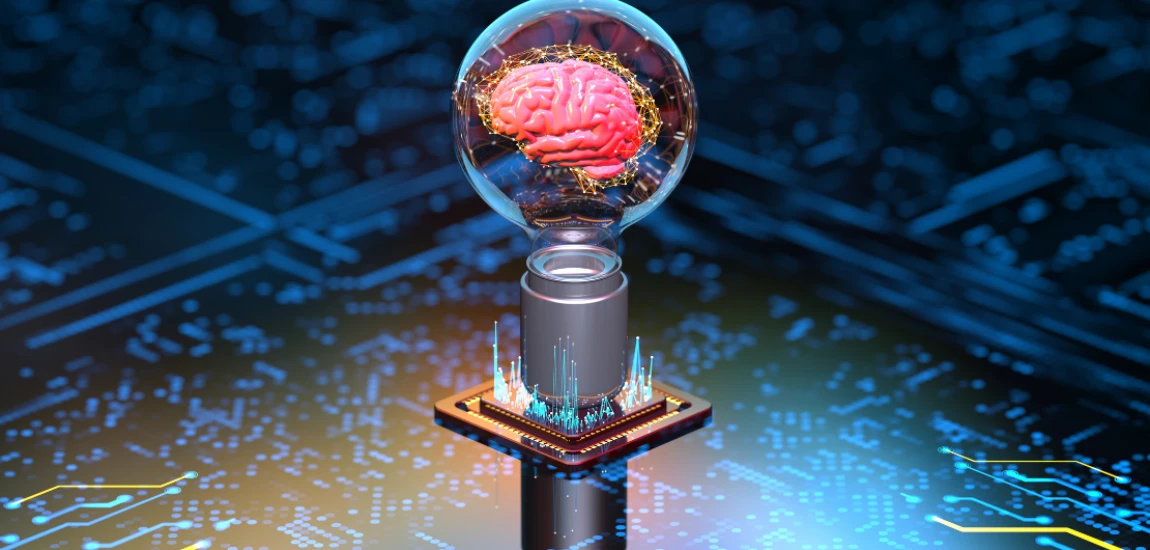
Artificial intelligence is evolving at an extraordinary pace, and traditional computing systems are beginning to face limitations in speed, adaptability, and energy efficiency. To overcome these challenges, researchers and technology companies are developing quantum neural intelligence systems and brain-inspired adaptive computing architectures. These next-generation technologies combine the power of quantum mechanics with neural-inspired computing models to create intelligent systems capable of learning, adapting, and solving complex problems far beyond the capabilities of classical computers.
Quantum neural intelligence systems represent a major leap forward in AI development because they process information using quantum principles such as superposition and entanglement. At the same time, brain-inspired adaptive computing architectures imitate the structure and functionality of the human brain, enabling systems to learn continuously and respond dynamically to changing environments.
From healthcare and cybersecurity to robotics and autonomous vehicles, these advanced systems are expected to revolutionize industries worldwide. In this blog, we will explore the core concepts, advantages, applications, challenges, and future possibilities of quantum neural intelligence systems and adaptive computing architectures.
Understanding Quantum Neural Intelligence Systems

Quantum neural intelligence systems are advanced AI frameworks that combine neural networks with quantum computing technologies. These systems are designed to process massive datasets, identify complex patterns, and make decisions more efficiently than traditional AI models.
Quantum Computing and Intelligent Processing
Quantum computing operates differently from classical computing. Traditional computers use bits that represent either 0 or 1, while quantum computers use qubits that can exist in multiple states simultaneously. This capability dramatically increases processing power and computational speed.
When integrated with neural intelligence systems, quantum processors can accelerate machine learning algorithms and optimize decision-making processes. This enables AI systems to solve highly complicated problems that were previously impossible using classical architectures.
Quantum-enhanced AI can process enormous volumes of data in real time, making it suitable for industries that require fast and accurate analysis. Applications include medical diagnostics, climate modeling, financial forecasting, and advanced cybersecurity systems.
Neural Networks Inspired by Human Intelligence
Neural intelligence systems are modeled after the human brain’s neural structure. These systems use interconnected nodes that simulate biological neurons, allowing machines to learn from experience and improve performance over time.
Brain-inspired neural systems excel at recognizing patterns, understanding language, and adapting to new environments. When combined with quantum computing, neural networks gain enhanced analytical capabilities and faster learning efficiency.
These adaptive learning mechanisms allow AI systems to improve without extensive manual programming. As a result, businesses can automate complex processes while maintaining high levels of accuracy and flexibility.
Importance of Quantum Neural Systems in Modern AI
Modern AI applications require immense computational resources to process complex datasets and perform deep learning tasks. Quantum neural intelligence systems provide a solution by delivering faster computation, better optimization, and improved scalability.
Organizations are increasingly investing in quantum AI research because these systems have the potential to revolutionize industries. They can improve predictive analytics, automate scientific discoveries, and create more intelligent autonomous systems.
As AI adoption continues to grow globally, quantum neural intelligence systems are expected to become a foundational technology for future digital transformation strategies.
Brain-Inspired Adaptive Computing Architectures

Brain-inspired adaptive computing architectures focus on replicating the efficiency, adaptability, and learning capabilities of the human brain. These architectures are designed to create intelligent systems capable of real-time learning and self-optimization.
Neuromorphic Computing Principles
Neuromorphic computing is one of the most important concepts in brain-inspired architectures. It involves designing hardware and software systems that mimic biological neural processes.
Unlike traditional computing systems, neuromorphic architectures process information in parallel rather than sequentially. This significantly improves efficiency and reduces energy consumption.
Neuromorphic chips can handle sensory data, visual recognition, and decision-making tasks with exceptional speed. These features make them highly valuable in robotics, autonomous vehicles, and smart devices.
Adaptive Learning and Self-Optimization
Adaptive computing systems continuously learn from their environment and modify their behavior accordingly. These systems use feedback loops and intelligent algorithms to improve performance over time.
Self-optimization allows AI systems to adjust processing strategies dynamically without requiring human intervention. This capability is particularly useful in rapidly changing environments such as financial markets, healthcare monitoring, and industrial automation.
Brain-inspired adaptive architectures also improve fault tolerance and reliability. If one part of the system fails, other components can continue functioning efficiently, similar to how the human brain adapts after injuries.
Energy Efficiency and Scalability
One major advantage of brain-inspired computing architectures is their energy efficiency. Traditional AI systems require significant power for training and operation, while adaptive architectures consume far less energy.
Energy-efficient AI systems are becoming increasingly important as global demand for computing power rises. Sustainable computing solutions help reduce operational costs and environmental impact.
Scalability is another key benefit. Adaptive architectures can easily expand to handle larger datasets and more complex AI tasks without sacrificing performance or efficiency.
Key Technologies Behind Quantum Adaptive Computing

Several emerging technologies contribute to the development of quantum neural intelligence systems and adaptive computing architectures. These innovations are shaping the future of intelligent computing.
Quantum Machine Learning Algorithms
Quantum machine learning combines quantum computing with machine learning techniques to accelerate data processing and improve prediction accuracy.
Quantum algorithms can analyze high-dimensional datasets much faster than classical algorithms. This enables AI systems to solve optimization problems, identify hidden patterns, and perform advanced simulations efficiently.
Industries such as pharmaceuticals, logistics, and finance are already exploring quantum machine learning for faster research and smarter decision-making.
Artificial Synapses and Neural Hardware
Artificial synapses are electronic components designed to imitate biological synaptic behavior. These components help create hardware systems capable of brain-like learning and memory functions.
Neural hardware enables low-latency processing and real-time adaptation, making it ideal for AI-powered robotics and edge computing devices.
Researchers are developing advanced semiconductor materials and nanotechnology solutions to improve the performance of artificial neural hardware systems.
Hybrid Quantum-Classical Architectures
Hybrid computing architectures combine quantum processors with classical computing systems to maximize efficiency and practicality.
Quantum processors handle complex calculations, while classical systems manage routine computing tasks. This hybrid approach improves performance while reducing infrastructure limitations.
Many organizations are adopting hybrid architectures as an intermediate step toward fully quantum-powered AI systems. These solutions provide practical benefits while quantum technology continues to mature.
Applications of Quantum Neural Intelligence Systems

Quantum neural intelligence systems have the potential to transform multiple industries by enabling faster, smarter, and more adaptive technologies.
Healthcare and Medical Research
Healthcare organizations are using advanced AI systems for disease diagnosis, drug discovery, and personalized medicine.
Quantum neural intelligence systems can analyze medical datasets rapidly and identify patterns that may not be visible through conventional analysis methods. This improves diagnostic accuracy and accelerates treatment development.
Brain-inspired AI systems also support robotic surgeries, patient monitoring, and intelligent healthcare assistants, enhancing overall medical efficiency.
Cybersecurity and Threat Detection
Cybersecurity threats are becoming increasingly sophisticated, requiring intelligent systems capable of detecting attacks in real time.
Quantum neural systems can identify unusual network behavior, predict cyber threats, and automate security responses faster than traditional cybersecurity tools.
Adaptive architectures continuously learn from new attack patterns, helping organizations maintain stronger digital protection against evolving threats.
Autonomous Vehicles and Robotics
Autonomous vehicles and intelligent robots rely heavily on adaptive computing systems for navigation, object recognition, and real-time decision-making.
Quantum-enhanced AI improves sensor processing speed and environmental analysis, allowing robots and vehicles to respond more accurately to dynamic situations.
Brain-inspired architectures also enhance machine coordination, enabling robots to work collaboratively in industrial, medical, and service environments.
Challenges Facing Quantum Neural Computing

Despite their enormous potential, quantum neural intelligence systems still face several technical and practical challenges.
Hardware Limitations and Stability Issues
Quantum computers are highly sensitive to environmental interference. Maintaining qubit stability remains one of the biggest challenges in quantum computing development.
Even small disturbances can affect computational accuracy, making reliable large-scale quantum systems difficult to build.
Researchers are investing heavily in error correction technologies and stable quantum hardware solutions to overcome these limitations.
High Development Costs
Developing quantum AI infrastructure requires substantial financial investment. Specialized hardware, research facilities, and expert talent contribute to high implementation costs.
Small businesses may find it difficult to adopt these technologies initially due to budget constraints and limited accessibility.
However, as technology advances and production scales increase, costs are expected to decrease significantly over time.
Ethical and Security Concerns
Advanced AI systems raise important ethical concerns related to privacy, decision-making transparency, and data security.
Quantum computing could potentially break traditional encryption systems, creating new cybersecurity risks. Organizations must develop quantum-resistant security solutions to protect sensitive information.
Responsible AI governance and ethical regulations will play a crucial role in ensuring safe and fair adoption of quantum neural intelligence systems.


Kate McCulley, the voice behind "Adventurous Kate," provides travel advice tailored for women. Her blog encourages safe and adventurous travel for female readers.
Kate McCulley

Prev Post

Next Post