
Quantum Energy Transmission Systems and Wireless Global Power Distribution Architectures
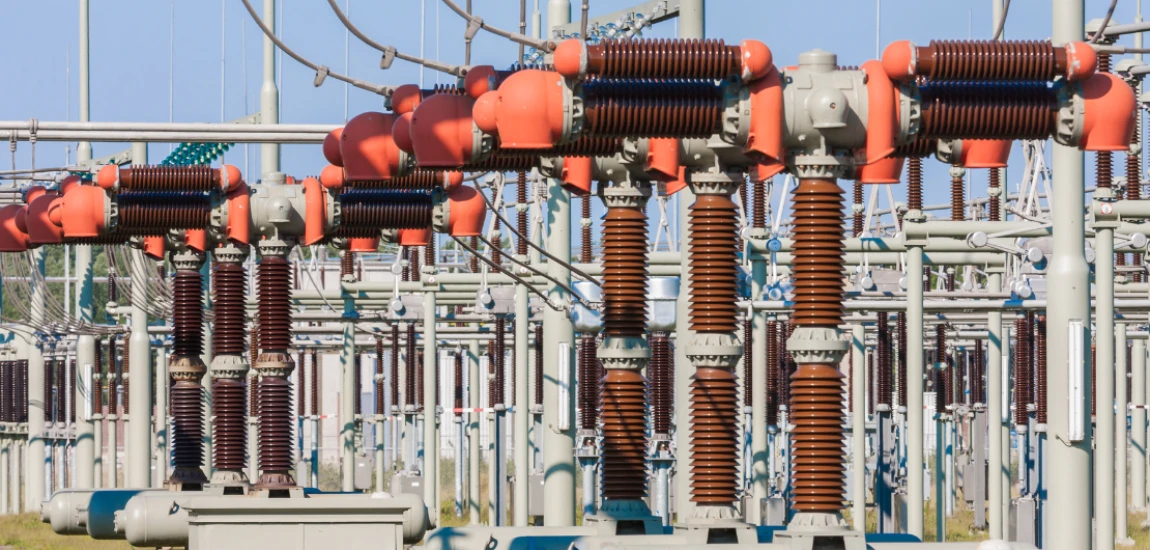
Energy is the foundation of modern civilization, powering industries, transportation systems, communication networks, healthcare infrastructure, and digital ecosystems. However, traditional energy distribution systems rely heavily on wired grids, centralized power plants, and long-distance transmission lines that often suffer from energy loss, infrastructure limitations, and vulnerability to environmental disruptions.
As global energy demand continues to rise, researchers and engineers are exploring revolutionary technologies that could transform how electricity is generated, transmitted, and distributed. One of the most futuristic concepts emerging in this field is quantum energy transmission systems combined with wireless global power distribution architectures.
These systems aim to transmit energy without traditional physical conductors, using advanced electromagnetic fields, quantum field interactions, resonant energy transfer, and AI-optimized energy routing networks. Wireless energy distribution could enable seamless power delivery across cities, remote regions, and even intercontinental distances without relying on conventional grid infrastructure.
When combined with artificial intelligence, quantum computing, and smart energy networks, these systems may evolve into highly efficient, self-regulating global energy ecosystems capable of balancing supply and demand in real time. This could revolutionize renewable energy integration, smart cities, space exploration infrastructure, and global sustainability efforts.
Understanding Quantum Energy Transmission Systems

Core Principles of Wireless Energy Transfer
Quantum energy transmission systems are based on advanced physical principles that allow energy to be transferred without direct physical connections. Unlike traditional electrical grids that depend on copper wires and high-voltage lines, these systems explore energy transfer through electromagnetic resonance, wave propagation, and quantum-level energy interactions.
Wireless energy transfer technologies such as inductive coupling and resonant magnetic fields already exist in limited applications like smartphone charging and electric vehicle pads. However, quantum-scale systems aim to extend these principles to much larger distances and higher energy capacities.
The theoretical foundation involves manipulating energy fields at extremely small scales, potentially using quantum coherence effects to improve efficiency and reduce energy loss during transmission.
Evolution from Traditional Electrical Grids
Traditional power grids are centralized systems where electricity is generated at power plants and distributed through extensive networks of transmission lines. While effective, these systems suffer from energy loss during transmission, maintenance challenges, and vulnerability to natural disasters or cyberattacks.
Quantum energy transmission systems propose a decentralized alternative where energy can be transmitted wirelessly between multiple nodes in a dynamic network. This reduces dependency on physical infrastructure and increases system resilience.
Such systems may integrate renewable energy sources like solar farms, wind turbines, and hydroelectric plants into a unified wireless energy ecosystem.
Role of Quantum Physics in Energy Distribution
Quantum physics introduces new possibilities for energy transmission at microscopic and macroscopic levels. Concepts such as quantum entanglement, wave-particle duality, and field interactions may contribute to the development of highly efficient energy transfer mechanisms.
While many aspects remain theoretical or experimental, researchers are exploring how quantum effects could reduce energy loss, enhance transmission range, and improve energy synchronization across distributed systems.
This represents a major shift from classical electrical engineering to quantum-enhanced energy science.
Wireless Global Power Distribution Architectures

Building a Planetary Energy Network
Wireless global power distribution architectures aim to create a unified energy network capable of delivering electricity anywhere on Earth without physical cables. This system would consist of interconnected energy nodes, satellite relays, ground stations, and AI-controlled energy routers.
Energy could be transmitted from high-production regions to high-demand areas dynamically, similar to how internet data flows across global networks. This creates a highly flexible and adaptive energy infrastructure.
Such systems could drastically reduce energy waste and improve global energy equity by enabling remote regions to access clean electricity.
Satellite-Based Energy Transmission Systems
One of the most promising components of wireless energy architecture is satellite-based power transmission. Solar energy collected in space could be converted into microwave or laser energy beams and transmitted to Earth-based receivers.
These satellites could operate continuously, unaffected by weather conditions or nighttime cycles, making them highly efficient energy sources.
AI systems would manage beam targeting, energy distribution, and safety controls to ensure accurate and secure energy delivery.
Decentralized Smart Energy Nodes
In wireless energy networks, energy is not controlled by a single centralized system. Instead, it is distributed across intelligent energy nodes embedded in cities, industries, transportation systems, and residential areas.
Each node can generate, store, and transmit energy based on real-time demand and supply conditions. AI algorithms ensure optimal energy routing and prevent overloads or inefficiencies.
This decentralized structure increases system resilience and reduces dependency on vulnerable infrastructure.
Role of Artificial Intelligence in Energy Transmission

AI-Driven Energy Optimization Systems
Artificial intelligence plays a crucial role in managing wireless energy distribution. AI algorithms analyze real-time energy consumption patterns, production levels, weather conditions, and grid performance data.
Based on this analysis, AI systems dynamically allocate energy resources to ensure maximum efficiency. This reduces energy waste and improves overall system stability.
Machine learning models continuously improve their predictions, making energy distribution more accurate over time.
Predictive Energy Demand Management
One of the most important applications of AI in energy systems is demand forecasting. AI models predict future energy consumption based on historical usage patterns, population growth, industrial activity, and environmental conditions.
This allows energy systems to prepare in advance for peak demand periods and avoid shortages or overloads.
Predictive analytics also supports renewable energy integration by aligning energy distribution with solar and wind availability.
Autonomous Energy Grid Control
Future energy systems may operate autonomously without human intervention. AI-powered grid controllers can monitor energy flow, detect faults, reroute power, and optimize system performance automatically.
These systems can also detect cyber threats or physical disruptions and respond instantly to maintain grid stability.
Autonomous energy control systems represent a major step toward fully intelligent global energy infrastructure.
Applications of Wireless Energy Systems

Smart Cities and Urban Energy Networks
Wireless energy systems can transform urban infrastructure by enabling fully connected smart cities. Buildings, transportation systems, and public infrastructure could receive power wirelessly through embedded energy nodes.
This eliminates the need for extensive electrical wiring and reduces infrastructure maintenance costs.
Smart cities could dynamically adjust energy usage based on real-time demand and environmental conditions.
Electric Transportation and Mobility Systems
Electric vehicles, drones, and autonomous transportation systems could benefit significantly from wireless energy distribution. Vehicles could charge while in motion using embedded road energy systems or aerial energy transmission networks.
This would eliminate charging downtime and increase transportation efficiency.
Wireless energy highways may become a reality in future transportation ecosystems.
Industrial and Remote Infrastructure Powering
Remote industrial operations such as mining sites, offshore platforms, and research stations often struggle with energy supply limitations. Wireless energy systems can provide stable and continuous power without requiring physical fuel transport or grid connections.
This improves operational efficiency and reduces environmental impact.


Derek Baron, also known as "Wandering Earl," offers an authentic look at long-term travel. His blog contains travel stories, tips, and the realities of a nomadic lifestyle.
Derek Baron

Prev Post

Next Post