
Quantum Nanomedicine Delivery Systems and Cellular-Level Disease Treatment Architectures
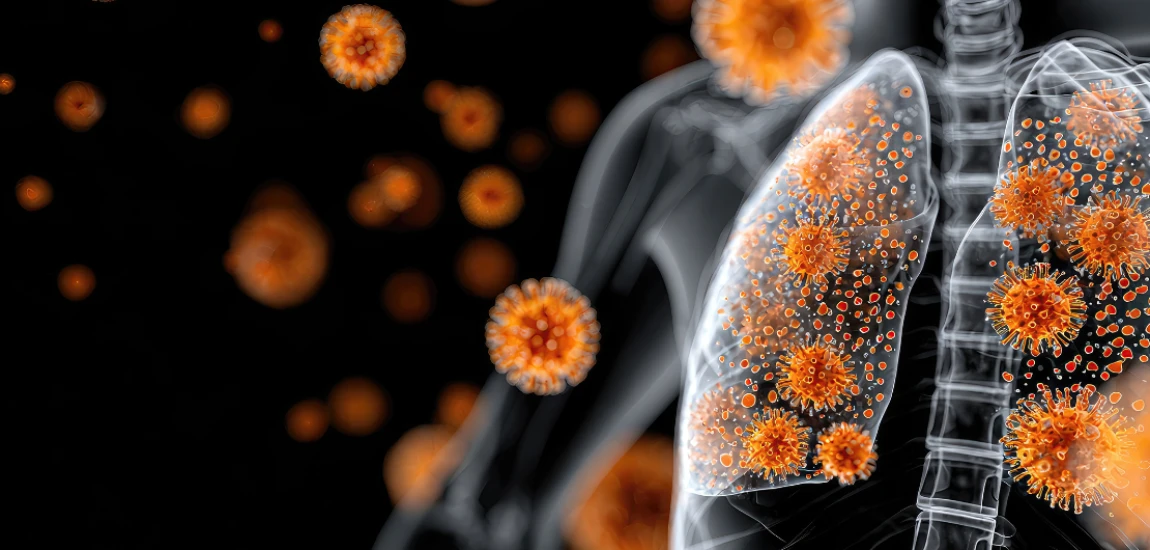
Modern medicine is undergoing a profound transformation as researchers move beyond traditional drug-based therapies toward highly precise, cell-targeted treatment systems. One of the most advanced and futuristic developments in this field is quantum nanomedicine delivery systems, which combine quantum science, nanotechnology, artificial intelligence, and molecular biology to treat diseases at the cellular level.
Unlike conventional treatments that affect the entire body and often cause side effects, nanomedicine systems aim to deliver therapy directly to affected cells with extreme precision. These systems operate at the nanoscale—one billionth of a meter—allowing medical interventions to interact with individual cells, proteins, and even DNA structures.
Cellular-level disease treatment architectures are designed to map, analyze, and modify biological processes inside the human body in real time. These architectures use AI-driven diagnostic models, smart nanocarriers, and programmable nanorobots to identify disease markers, deliver drugs, and monitor treatment effectiveness continuously.
As chronic diseases such as cancer, cardiovascular disorders, and neurological conditions become more prevalent globally, quantum nanomedicine is emerging as a revolutionary approach that may redefine how humanity understands healing, prevention, and biological repair.
Understanding Quantum Nanomedicine Delivery Systems

Core Principles of Nanomedicine Technology
Quantum nanomedicine delivery systems operate at the intersection of physics, chemistry, biology, and artificial intelligence. These systems use nanoscale particles engineered to carry therapeutic agents directly to diseased cells without affecting healthy tissue.
Nanoparticles can be designed with specific properties such as magnetic responsiveness, thermal sensitivity, or chemical targeting ability. These properties allow them to navigate the human body and respond to biological signals in real time.
The “quantum” aspect refers to the application of quantum-scale behaviors such as energy state manipulation, molecular bonding precision, and probabilistic targeting mechanisms, which enhance accuracy and efficiency in drug delivery.
Evolution from Traditional Drug Delivery Methods
Traditional drug delivery methods rely on systemic distribution, where medication circulates throughout the entire body. This often leads to side effects because healthy cells are also exposed to the drug.
Nanomedicine systems represent a significant advancement by enabling targeted delivery directly to diseased cells. This reduces dosage requirements, minimizes side effects, and increases treatment effectiveness.
For example, cancer therapies using nanomedicine can deliver chemotherapy drugs directly into tumor cells while sparing surrounding healthy tissue, improving patient outcomes significantly.
Integration of AI in Nanomedicine Systems
Artificial intelligence plays a critical role in optimizing nanomedicine delivery. AI algorithms analyze patient data, genetic information, and disease progression patterns to determine optimal treatment strategies.
Machine learning models also help design nanoparticles with enhanced targeting capabilities, improving their ability to locate and bind to diseased cells.
This integration of AI and nanotechnology creates a highly adaptive and intelligent medical system capable of personalized treatment at the molecular level.
Cellular-Level Disease Treatment Architectures

Mapping Diseases at the Cellular Scale
Cellular-level treatment architectures focus on understanding diseases at their most fundamental biological level. Instead of treating symptoms, these systems analyze cellular behavior, protein interactions, and genetic mutations that cause disease.
Advanced imaging technologies and molecular sensors allow real-time mapping of disease progression inside the body.
AI systems process this data to build a detailed cellular health profile for each patient.
Real-Time Biological Monitoring Systems
One of the key innovations in this field is continuous biological monitoring. Smart nanosensors embedded in the body can track changes in pH levels, enzyme activity, oxygen concentration, and cellular stress indicators.
These sensors send real-time data to AI systems that evaluate disease progression and treatment effectiveness.
This allows doctors to adjust therapies dynamically based on real biological feedback rather than static diagnostic reports.
Personalized Cellular Treatment Strategies
Cellular-level architectures enable highly personalized treatment strategies tailored to individual genetic and biological profiles.
AI systems analyze DNA sequences, metabolic patterns, and immune responses to design customized treatment plans.
This ensures that each patient receives the most effective therapy with minimal risk of adverse reactions.
Role of Artificial Intelligence in Nanomedicine

AI-Driven Drug Design and Optimization
Artificial intelligence significantly accelerates drug discovery and nanomedicine design. Machine learning models simulate molecular interactions to identify the most effective drug compounds.
These systems reduce the time required for developing new therapies from years to months or even weeks.
AI also helps optimize drug dosage and delivery mechanisms for maximum therapeutic efficiency.
Predictive Disease Modeling Systems
AI models can predict disease development based on genetic, environmental, and lifestyle data. These predictive systems help identify individuals at risk of developing certain conditions long before symptoms appear.
Early prediction allows preventive treatment strategies to be implemented using nanomedicine systems.
This proactive approach improves long-term health outcomes significantly.
Autonomous Treatment Adjustment Systems
Advanced nanomedicine platforms may include autonomous AI systems capable of adjusting treatment in real time.
These systems analyze continuous biological feedback and modify drug delivery rates or therapeutic pathways accordingly.
This ensures optimal treatment efficiency throughout the entire healing process.
Technologies Used in Quantum Nanomedicine

Nanorobots for Targeted Therapy
Nanorobots are microscopic machines designed to navigate the human body and perform specific medical tasks. They can deliver drugs, repair damaged cells, and remove harmful biological materials.
These nanorobots are controlled by AI systems that guide them to specific targets within the body.
This enables precise and minimally invasive medical interventions.
Quantum-Sensitive Drug Carriers
Quantum nanomedicine uses drug carriers that respond to quantum-level changes in biological environments.
These carriers can release medication only when they detect specific cellular conditions such as abnormal temperature, pH imbalance, or molecular signals.
This ensures highly accurate and controlled drug release.
Smart Biomolecular Sensors
Biomolecular sensors embedded in nanomedicine systems continuously monitor cellular activity.
These sensors detect early signs of disease and transmit data to AI platforms for analysis.
They play a critical role in real-time health monitoring and treatment optimization.


Derek Baron, also known as "Wandering Earl," offers an authentic look at long-term travel. His blog contains travel stories, tips, and the realities of a nomadic lifestyle.
Derek Baron

Prev Post

Next Post