
Quantum Digital Twin Systems and Real-Time Global Infrastructure Simulation Architectures
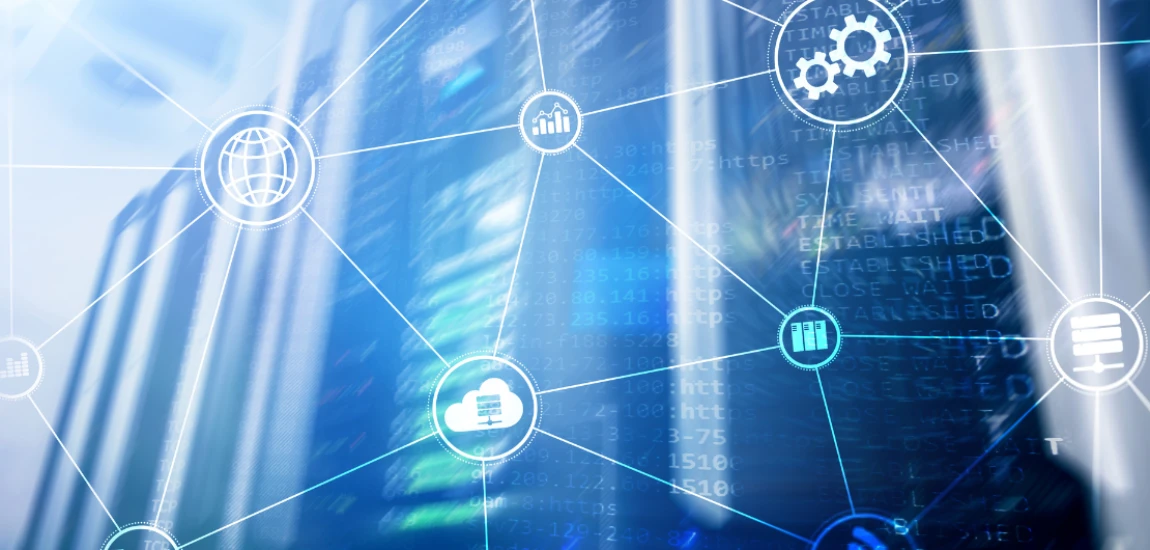
Modern infrastructure has become increasingly complex. Cities rely on interconnected transportation networks, energy grids, communication systems, water distribution facilities, manufacturing centers, and public services that must operate continuously and efficiently. As populations grow and urbanization accelerates, infrastructure managers face mounting challenges related to maintenance, sustainability, resilience, and resource optimization.
Traditional monitoring and management methods often struggle to keep pace with these demands. While current digital technologies provide valuable insights, they are frequently limited by computational constraints, fragmented data systems, and reactive decision-making processes. As infrastructure ecosystems expand in scale and complexity, the need for more advanced simulation and predictive management tools becomes increasingly apparent.
Quantum Digital Twin Systems and Real-Time Global Infrastructure Simulation Architectures represent a next-generation solution designed to address these challenges. By combining quantum computing, artificial intelligence, Internet of Things (IoT) sensors, cloud platforms, and advanced simulation technologies, these systems create highly detailed virtual replicas of physical infrastructure networks.
Unlike conventional models, quantum-powered digital twins can continuously process enormous volumes of real-time data while simulating countless potential future scenarios. This capability enables infrastructure operators to anticipate disruptions, optimize performance, reduce costs, and improve long-term planning.
As governments, industries, and smart cities continue embracing digital transformation, Quantum Digital Twin Systems may become a foundational technology for creating more resilient, efficient, and sustainable infrastructure ecosystems worldwide.
Understanding Quantum Digital Twin Systems

The Evolution of Digital Twin Technology
Digital twins originated as virtual representations of physical assets used to monitor performance and improve operational efficiency. Initially applied in aerospace and manufacturing industries, digital twins enabled engineers to track equipment conditions and simulate maintenance scenarios without disrupting actual operations.
Over time, digital twin technology evolved beyond individual machines and facilities. Modern systems can model entire factories, transportation corridors, utility networks, and urban environments. These digital replicas continuously receive data from sensors and monitoring devices, ensuring that virtual models accurately reflect real-world conditions.
As infrastructure networks become increasingly interconnected, however, traditional computing resources face limitations when processing massive datasets and highly complex interactions. This challenge has driven interest in quantum-enhanced digital twin systems capable of handling significantly larger and more sophisticated simulations.
How Quantum Computing Enhances Digital Twins
Quantum computing introduces a fundamentally different approach to information processing. Unlike classical computers that process data sequentially, quantum systems can evaluate multiple possibilities simultaneously through quantum states.
For digital twin applications, this capability dramatically expands simulation potential. Quantum processors can analyze millions of variables and infrastructure interactions concurrently, enabling more accurate forecasting and deeper system understanding.
This enhanced computational power allows organizations to model large-scale infrastructure ecosystems that would otherwise be difficult to simulate effectively.
Bridging Physical and Virtual Environments
Quantum digital twins create a continuous connection between real-world assets and virtual simulations. Sensor networks collect data from infrastructure systems and feed it into dynamic digital models.
These models update continuously, providing real-time visibility into infrastructure conditions while supporting advanced predictive analysis and decision-making.
Real-Time Global Infrastructure Simulation Architectures

Building Infrastructure Simulations at Planetary Scale
Traditional simulations often focus on isolated assets or specific operational areas. Real-Time Global Infrastructure Simulation Architectures extend this concept by modeling interconnected systems across cities, countries, and even continents.
Transportation networks, energy systems, telecommunications infrastructure, logistics operations, and environmental systems can all be represented within unified simulation platforms. This holistic approach enables organizations to understand how actions in one area affect broader infrastructure ecosystems.
Comprehensive simulations provide valuable insights for planning, operations, and risk management.
Continuous Data Synchronization
Accurate simulations depend on timely and reliable information. Modern infrastructure generates enormous amounts of data through sensors, IoT devices, satellite observations, and operational systems.
Advanced simulation architectures continuously synchronize this data with digital models, ensuring that virtual representations remain aligned with physical conditions.
This real-time synchronization allows operators to monitor infrastructure performance and identify emerging issues before they escalate into major disruptions.
Understanding Complex Interdependencies
Infrastructure systems rarely operate independently. Transportation affects logistics, energy influences communications, and environmental conditions impact nearly every sector.
Real-time simulation architectures model these complex interdependencies, helping decision-makers evaluate risks and optimize cross-sector operations.
This capability supports more resilient and adaptive infrastructure management strategies.
Artificial Intelligence and Predictive Infrastructure Intelligence

AI as the Analytical Core
Artificial intelligence serves as the intelligence layer within Quantum Digital Twin Systems. AI algorithms process vast datasets, identify patterns, and generate insights that support infrastructure optimization.
Machine learning models continuously improve as they analyze operational data, enabling increasingly accurate predictions and recommendations.
This intelligence transforms raw infrastructure data into actionable knowledge.
Predictive Maintenance and Asset Management
Infrastructure failures can be costly and disruptive. Traditional maintenance approaches often rely on scheduled inspections or reactive repairs after problems occur.
AI-powered digital twins enable predictive maintenance by identifying early warning signs of equipment degradation. Infrastructure operators can schedule maintenance proactively, reducing downtime and extending asset lifespan.
This approach improves reliability while lowering operational costs.
Advanced Scenario Modeling
Quantum-enhanced simulations enable organizations to evaluate a wide range of potential future scenarios. Infrastructure managers can assess responses to extreme weather events, cyberattacks, demand surges, and equipment failures.
Testing these scenarios within virtual environments helps organizations improve preparedness and resilience without risking actual operations.
Applications Across Critical Infrastructure Sectors

Smart Cities and Urban Development
Cities are among the most complex infrastructure environments in existence. Urban systems include transportation, energy, water, waste management, communications, healthcare, and public services.
Quantum digital twins can integrate data from these systems into comprehensive urban simulations. City planners can evaluate development projects, optimize resource allocation, and improve service delivery.
This capability supports smarter, more sustainable urban growth.
Energy and Utility Infrastructure
Energy networks face increasing complexity due to renewable energy integration, distributed generation systems, and evolving consumption patterns.
Digital twins help operators model grid performance, forecast demand fluctuations, and optimize energy distribution. Real-time simulations improve reliability while supporting sustainability initiatives.
Utility providers benefit from enhanced visibility and decision-making capabilities.
Transportation and Logistics Systems
Transportation networks depend on efficient coordination across roads, railways, ports, airports, and supply chains.
Quantum-powered simulations provide detailed insights into traffic flows, logistics operations, and infrastructure utilization. Operators can optimize routes, reduce congestion, and improve service efficiency.
These improvements contribute to economic productivity and environmental sustainability.


Gary Arndt operates "Everything Everywhere," a blog focusing on worldwide travel. An award-winning photographer, Gary shares stunning visuals alongside his travel tales.
Gary Arndt
Prev Post

Next Post