
AI-Driven Space Habitat Management Systems and Sustainable Off-World Living Frameworks

Humanity is rapidly approaching a new era of space exploration where the goal is no longer limited to short-term missions but extends toward permanent settlements beyond Earth. Space agencies, private aerospace companies, and scientific organizations are actively developing technologies that could support human habitation on the Moon, Mars, and other extraterrestrial environments. However, sustaining life in space presents extraordinary challenges. Limited resources, harsh environmental conditions, communication delays, radiation exposure, and infrastructure maintenance requirements make long-term off-world living significantly more complex than life on Earth.
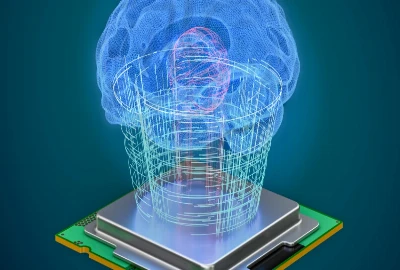
To address these challenges, researchers are developing AI-Driven Space Habitat Management Systems and Sustainable Off-World Living Frameworks. These advanced systems combine artificial intelligence, robotics, autonomous maintenance technologies, predictive analytics, smart resource management, environmental monitoring, and closed-loop life support systems to create self-sustaining habitats capable of supporting human populations in space.
Unlike traditional space missions that depend heavily on Earth-based support, future space habitats must operate with a high degree of autonomy. Artificial intelligence will play a critical role in managing essential systems, optimizing resource utilization, monitoring habitat health, coordinating robotic operations, and ensuring crew safety.
As human exploration expands deeper into the solar system, intelligent habitat management systems may become the foundation of sustainable extraterrestrial civilization. These technologies could enable long-duration missions, permanent settlements, and thriving off-world communities that support scientific discovery, economic development, and humanity's long-term survival.
Understanding AI-Driven Space Habitat Management Systems

The Evolution of Human Space Habitation
Human space habitation began with short-duration missions focused on exploration and scientific research. Early astronauts relied on highly controlled spacecraft systems and continuous support from mission control centers on Earth.
Over time, space stations demonstrated the feasibility of longer missions, providing valuable insights into life support, resource management, and human adaptation to space environments. However, future lunar bases and Martian colonies will require significantly more advanced operational frameworks.
The vast distances involved in deep-space exploration make real-time human supervision increasingly difficult. Communication delays between Earth and Mars, for example, can range from several minutes to over twenty minutes.
These challenges highlight the need for intelligent habitat systems capable of autonomous operation and decision-making.
Why Artificial Intelligence Is Essential
Artificial intelligence serves as the central intelligence layer of future space habitats. AI systems continuously analyze environmental conditions, equipment performance, resource availability, and crew health data.
Machine learning algorithms can identify patterns, predict system failures, and recommend corrective actions before problems escalate. This proactive approach improves reliability and enhances safety.
AI also enables rapid decision-making in situations where immediate responses are required and communication with Earth may be delayed.
By automating routine tasks and optimizing habitat operations, artificial intelligence reduces crew workload and improves mission efficiency.
Building Self-Sustaining Habitats
A key objective of off-world living frameworks is achieving self-sufficiency. Future habitats must minimize dependence on Earth-based supplies while maximizing local resource utilization.
AI-driven systems coordinate life support, energy generation, food production, waste recycling, and maintenance activities to create sustainable living environments.
This integrated approach supports long-term habitation and enables the gradual expansion of extraterrestrial settlements.
Core Technologies Behind Sustainable Off-World Living Frameworks

Intelligent Life Support Systems
Life support systems are among the most critical components of any space habitat. These systems provide breathable air, clean water, temperature regulation, and environmental stability.
Artificial intelligence continuously monitors atmospheric composition, oxygen levels, carbon dioxide concentrations, humidity, and other environmental variables. AI-driven optimization ensures efficient operation while minimizing resource consumption.
Advanced life support technologies may also incorporate biological systems that contribute to oxygen production and waste recycling.
Reliable environmental control is essential for long-term human survival in space.
Autonomous Robotics and Maintenance
Space habitats contain complex infrastructure that requires continuous inspection, maintenance, and repair. Human crews cannot manage every operational task manually.
Autonomous robots perform routine inspections, identify equipment issues, and conduct maintenance activities without direct human supervision. AI coordinates robotic operations and prioritizes repair tasks based on urgency and mission objectives.
These capabilities improve reliability while reducing crew workload.
Robotic maintenance systems also enhance habitat resilience during emergencies.
Smart Resource Management Platforms
Resource scarcity is a defining challenge of off-world living. Water, energy, food, and construction materials must be managed efficiently to ensure long-term sustainability.
AI-powered resource management platforms monitor consumption patterns, forecast future needs, and optimize allocation strategies.
Predictive analytics help prevent shortages while maximizing system performance.
Effective resource management is fundamental to successful space colonization.
Energy Generation and Environmental Sustainability

Renewable Energy Systems in Space
Energy powers every aspect of habitat operations. Solar energy remains one of the most practical power sources for lunar and Martian settlements.
AI systems optimize solar panel positioning, energy storage utilization, and power distribution across habitat networks. These capabilities maximize efficiency and reliability.
Future habitats may also integrate advanced nuclear power technologies and hybrid energy systems.
Reliable energy infrastructure supports sustainable off-world living.
Closed-Loop Environmental Systems
Closed-loop systems recycle resources continuously, reducing dependence on external supply missions. Water purification, air regeneration, waste processing, and nutrient recovery technologies form the foundation of sustainable habitats.
Artificial intelligence coordinates these interconnected systems and identifies opportunities for efficiency improvements.
Closed-loop architectures mimic natural ecological cycles and support long-duration habitation.
The ability to recycle resources effectively is critical for extraterrestrial sustainability.
Climate Control and Environmental Stability
Space environments expose habitats to extreme temperature fluctuations and environmental hazards. Intelligent climate control systems maintain safe living conditions despite external challenges.
AI-driven monitoring platforms continuously evaluate environmental parameters and adjust habitat systems accordingly.
Maintaining stable conditions protects both crew members and critical equipment.
Environmental stability contributes directly to mission success.
Food Production and Biological Sustainability

AI-Powered Space Agriculture
Food production is essential for reducing reliance on Earth-based resupply missions. Future space habitats may incorporate hydroponic, aeroponic, and vertical farming systems.
Artificial intelligence manages lighting, irrigation, nutrient delivery, and crop health monitoring. Machine learning algorithms optimize growing conditions for maximum productivity.
These systems support reliable food production in challenging extraterrestrial environments.
Space agriculture also contributes to psychological well-being by providing fresh food and natural elements.
Biological Resource Management
Living ecosystems may play a significant role in future habitat sustainability. Biological systems support oxygen generation, carbon dioxide absorption, waste processing, and food production.
AI coordinates interactions among biological and technological components to maintain ecosystem balance.
Integrated biological management enhances efficiency and resilience.
These approaches bring space habitats closer to self-sufficiency.
Supporting Long-Term Human Health
Nutrition is a critical component of long-duration space missions. AI-driven health platforms monitor dietary intake, metabolic indicators, and physiological performance.
Personalized nutrition programs help maintain crew health and productivity.
Healthy populations are essential for successful extraterrestrial communities.
Advanced health monitoring supports long-term habitation goals.


Kate McCulley, the voice behind "Adventurous Kate," provides travel advice tailored for women. Her blog encourages safe and adventurous travel for female readers.
Kate McCulley
Prev Post

Next Post