
Intelligent Space-Based Solar Energy Systems and Orbital Power Harvesting Networks
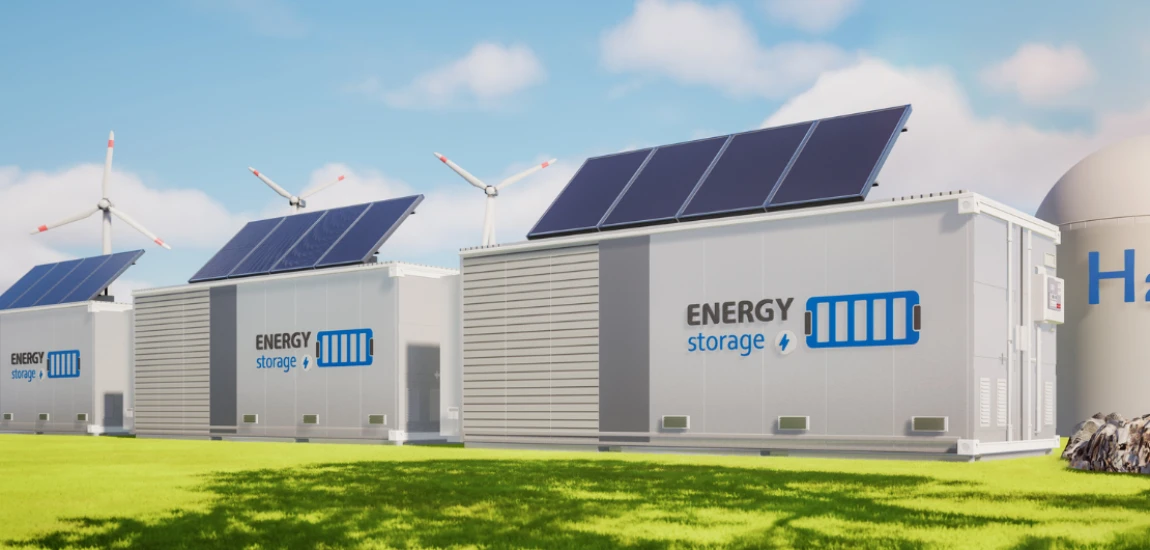
The world’s growing energy demand continues to challenge governments, industries, and researchers seeking sustainable alternatives to fossil fuels. Renewable energy technologies such as solar, wind, and hydroelectric power have made significant progress in reducing carbon emissions, but they still face limitations. Solar panels on Earth depend on daylight and weather conditions, wind turbines require favorable wind patterns, and energy storage systems remain expensive and resource-intensive.
As humanity searches for long-term solutions capable of supporting future populations and expanding technological ecosystems, space-based energy generation has emerged as one of the most ambitious concepts under consideration. Intelligent Space-Based Solar Energy Systems and Orbital Power Harvesting Networks represent a futuristic vision where vast solar arrays positioned in Earth’s orbit continuously collect sunlight and transmit energy wirelessly to ground-based receivers.
Unlike terrestrial solar farms, orbital energy systems operate above atmospheric interference, clouds, and seasonal weather fluctuations. This enables significantly higher energy generation efficiency and continuous power collection throughout most of the year. Combined with artificial intelligence, autonomous robotics, advanced communication systems, and wireless energy transfer technologies, these orbital infrastructures could create a reliable source of renewable energy on a planetary scale.
If successfully developed, orbital power harvesting networks could redefine global energy production, reduce dependence on fossil fuels, support sustainable economic growth, and help humanity transition toward a cleaner and more resilient energy future.
Understanding Intelligent Space-Based Solar Energy Systems

The Origins of Space Solar Power Concepts
The idea of collecting solar energy in space has existed for decades. Scientists recognized that sunlight in orbit is significantly more powerful and consistent than sunlight reaching Earth's surface. Since space-based platforms are not affected by atmospheric absorption, weather conditions, or nighttime cycles, they can capture solar radiation almost continuously.
Early proposals focused on large satellites equipped with photovoltaic panels capable of generating electricity and transmitting it back to Earth. While technological limitations initially prevented implementation, advancements in launch systems, robotics, materials science, and artificial intelligence have renewed interest in the concept.
Today, many researchers view space-based solar power as a potential solution to long-term energy challenges facing modern civilization.
How Intelligent Solar Collection Works
Intelligent space-based solar energy systems utilize advanced solar arrays deployed in geostationary or low-Earth orbit. These arrays continuously track the sun to maximize energy capture efficiency. AI-powered control systems monitor performance, adjust panel orientation, and optimize energy collection based on environmental conditions.
Unlike traditional energy infrastructure, these systems operate autonomously with minimal human intervention. Machine learning algorithms analyze operational data and improve system performance over time.
This intelligent approach enhances reliability while maximizing energy output.
Advantages Over Ground-Based Solar Infrastructure
Space-based solar systems offer numerous advantages over terrestrial alternatives. They avoid weather disruptions, operate continuously, and can potentially deliver power to any location on Earth.
Their ability to generate energy around the clock could significantly improve grid stability while reducing dependence on large-scale battery storage solutions.
The Architecture of Orbital Power Harvesting Networks

Building Energy Infrastructure Beyond Earth
Orbital power harvesting networks consist of interconnected energy collection satellites, communication systems, transmission platforms, and Earth-based receiving stations. Together, these components form a comprehensive energy ecosystem capable of supplying electricity globally.
Unlike conventional power plants tied to specific geographic regions, orbital networks can distribute energy across vast distances. This flexibility enables more balanced energy allocation and improved resilience against localized disruptions.
The architecture is designed to support continuous energy generation and delivery.
Satellite Constellations and Network Coordination
Future energy systems may utilize large constellations of solar collection satellites working collaboratively. These satellites communicate continuously and coordinate power generation activities through intelligent management systems.
Artificial intelligence enables efficient resource allocation and helps optimize network performance. If one satellite experiences reduced output or technical issues, others can compensate to maintain overall system reliability.
This distributed approach improves redundancy and operational stability.
Autonomous Maintenance and Infrastructure Management
Maintaining orbital infrastructure presents unique challenges. Intelligent robotic systems may perform inspections, repairs, upgrades, and maintenance operations without requiring frequent human missions.
AI-driven maintenance strategies can predict equipment failures before they occur, reducing downtime and extending system lifespan. These autonomous capabilities are essential for managing large-scale orbital energy networks efficiently.
Wireless Energy Transmission Technologies

Delivering Energy from Space to Earth
Generating electricity in orbit is only part of the challenge. Energy must also be transmitted safely and efficiently to Earth. Researchers are developing advanced wireless power transmission technologies capable of transporting energy across vast distances.
The primary goal is to minimize energy loss while ensuring reliable delivery to receiving stations.
Several promising technologies are currently under investigation.
Microwave-Based Power Transmission
Microwave transmission is considered one of the most practical solutions for orbital energy delivery. Solar-generated electricity is converted into microwave signals and directed toward receiving antennas on Earth.
These receiving stations convert microwave energy back into usable electricity for distribution through existing power grids.
Microwave systems offer relatively high efficiency and can operate effectively under various atmospheric conditions.
Laser Energy Beaming Systems
Laser transmission represents another innovative approach. Highly focused laser beams can direct energy toward specific locations with remarkable precision.
Advancements in optics, beam control, and safety technologies are improving the feasibility of laser-based energy delivery. Future orbital networks may utilize a combination of microwave and laser transmission methods to maximize efficiency and flexibility.
Applications of Space-Based Solar Energy Across Industries

Supporting Global Energy Demand
One of the most significant applications of orbital power harvesting networks is meeting growing global electricity demand. As populations expand and economies develop, energy consumption continues to rise.
Space-based solar power offers a scalable and sustainable solution capable of supporting long-term growth without increasing carbon emissions.
Reliable energy availability could enhance economic stability and industrial productivity worldwide.
Powering Smart Cities and Advanced Infrastructure
Future smart cities will depend heavily on reliable electricity to support transportation systems, communication networks, autonomous technologies, and digital services.
Orbital energy systems could provide continuous power for urban infrastructure while reducing strain on traditional energy resources. This capability would enhance resilience and support sustainable urban development.
Smart city ecosystems could benefit significantly from uninterrupted renewable energy supplies.
Enabling Space Exploration and Off-Earth Settlements
Space-based energy infrastructure may also support future lunar bases, Mars missions, and orbital habitats. Reliable power generation is essential for sustaining long-term human activities beyond Earth.
Orbital power harvesting networks could become foundational infrastructure for expanding humanity's presence throughout the solar system.


Derek Baron, also known as "Wandering Earl," offers an authentic look at long-term travel. His blog contains travel stories, tips, and the realities of a nomadic lifestyle.
Derek Baron
Prev Post

Next Post