
Neuromorphic Edge Intelligence Systems and Brain-Like Real-Time Processing Architectures
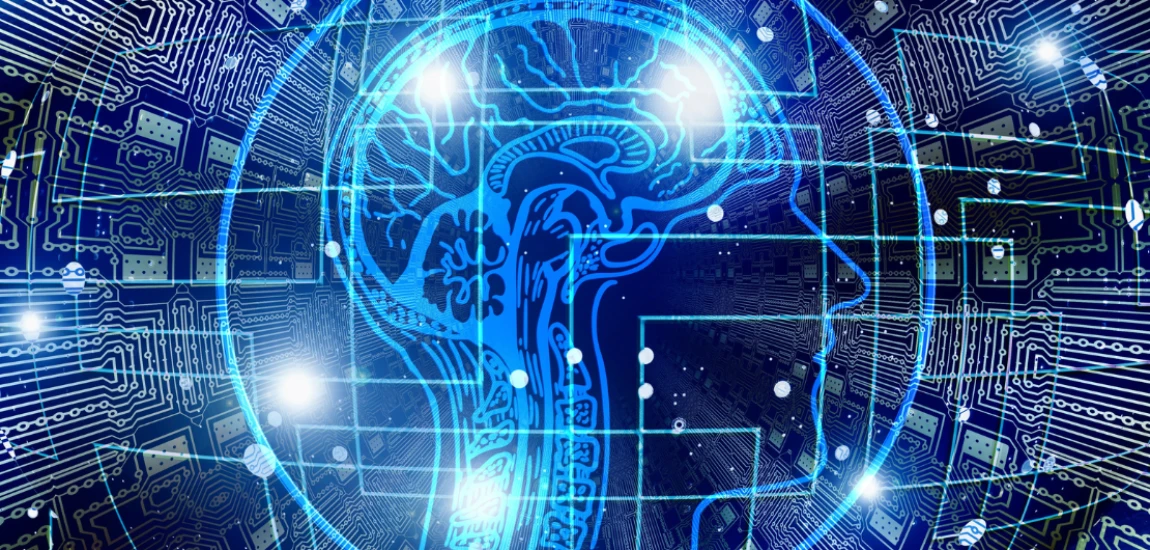
Artificial intelligence is rapidly evolving beyond traditional cloud-based processing toward highly efficient, decentralized, and intelligent computing models inspired by the human brain. Neuromorphic edge intelligence systems and brain-like real-time processing architectures represent a revolutionary advancement in modern computing, enabling machines to process information with exceptional speed, adaptability, and energy efficiency. Unlike conventional AI models that rely heavily on centralized data centers and power-intensive computation, neuromorphic systems mimic the structure and behavior of biological neural networks to perform real-time decision-making directly at the edge. These technologies are becoming increasingly important in robotics, autonomous vehicles, healthcare devices, smart cities, industrial automation, and Internet of Things ecosystems where ultra-low latency and continuous learning are essential. As industries demand faster and more intelligent systems capable of operating independently in dynamic environments, neuromorphic edge intelligence is emerging as the foundation of next-generation artificial intelligence architectures.
Understanding Neuromorphic Edge Intelligence Systems

Brain-Inspired Computing Principles
Neuromorphic edge intelligence systems are designed to replicate the structure and functionality of the human brain. Traditional computer processors handle tasks sequentially, consuming large amounts of energy while processing complex AI workloads. In contrast, neuromorphic architectures use networks of artificial neurons and synapses that operate in parallel, enabling highly efficient data processing and adaptive learning.
The human brain processes enormous amounts of information while consuming minimal energy. Neuromorphic systems attempt to emulate this capability through event-driven computation, where processing occurs only when relevant signals are detected. This significantly reduces unnecessary energy consumption and improves computational efficiency.
Artificial neurons communicate through electrical spikes similar to biological neural activity. These spike-based communication models allow neuromorphic processors to respond dynamically to sensory input in real time. As a result, neuromorphic systems can handle complex recognition, pattern analysis, and decision-making tasks with remarkable speed and efficiency.
This brain-inspired approach is transforming the future of artificial intelligence and edge computing infrastructures across multiple industries.
Edge Intelligence and Decentralized Processing
Edge intelligence refers to the ability of AI systems to process data locally near the source of information instead of relying entirely on cloud computing infrastructure. Neuromorphic edge systems combine local processing with brain-inspired architectures to enable real-time decision-making in environments where latency and connectivity limitations are critical.
Smart sensors, autonomous robots, wearable devices, and industrial IoT systems increasingly depend on edge intelligence to operate efficiently. Neuromorphic processors can analyze data instantly without transmitting massive datasets to distant servers, improving response times and reducing bandwidth requirements.
Decentralized processing also enhances data privacy and operational reliability. Devices can continue functioning even during network disruptions because critical AI computations occur directly on the device itself.
As edge computing adoption continues to grow, neuromorphic intelligence systems are becoming essential for supporting scalable and autonomous AI ecosystems.
Core Components of Neuromorphic Systems
Neuromorphic architectures rely on several advanced technologies that work together to create intelligent real-time processing frameworks. Artificial neural networks form the foundation of these systems by simulating interconnected biological neurons.
Spiking neural networks enable event-driven computation and efficient information transfer. Specialized neuromorphic chips are designed specifically for parallel processing and low-power operation, making them ideal for edge devices with limited energy resources.
Embedded AI algorithms continuously adapt to environmental changes through learning mechanisms similar to biological cognition. Sensor fusion technologies integrate data from multiple sources, enabling intelligent systems to interpret complex surroundings accurately.
Together, these components create highly adaptive computing systems capable of real-time intelligence and autonomous operation.
Brain-Like Real-Time Processing Architectures

Event-Driven Computing Mechanisms
Traditional computing architectures process information continuously, even when no meaningful data changes occur. Neuromorphic systems, however, use event-driven processing mechanisms inspired by biological brains.
In event-driven architectures, computation occurs only when significant input signals or environmental changes are detected. This approach dramatically improves efficiency because computational resources are activated only when necessary.
For example, autonomous vehicles equipped with neuromorphic processors can analyze visual and sensor data instantly when detecting obstacles or traffic changes. Similarly, smart surveillance systems can recognize suspicious activities in real time without continuously processing inactive video streams.
This selective processing model reduces energy consumption while maintaining extremely fast response times, making it ideal for real-time applications.
Parallel Processing and Adaptive Learning
One of the greatest advantages of brain-like architectures is the ability to process multiple streams of information simultaneously. Neuromorphic systems use massively parallel neural structures that mimic how biological brains interpret sensory input.
Parallel processing improves the performance of AI systems in complex environments where multiple tasks must be handled at once. Robots, drones, and autonomous systems can simultaneously manage navigation, object recognition, and environmental analysis without performance bottlenecks.
Adaptive learning capabilities further enhance these architectures by allowing systems to improve continuously through experience. Unlike static AI models, neuromorphic processors can modify neural connections dynamically based on real-time interactions and feedback.
This adaptability makes neuromorphic systems highly resilient in unpredictable environments where conditions change frequently.
Low-Latency Intelligent Decision-Making
Real-time decision-making is critical in applications such as autonomous transportation, industrial robotics, healthcare monitoring, and military defense systems. Neuromorphic architectures significantly reduce processing latency by enabling immediate local analysis.
Low-latency intelligence allows devices to respond within milliseconds to critical events. For example, autonomous drones can avoid collisions instantly, while medical monitoring devices can detect abnormal physiological conditions in real time.
Because neuromorphic processors operate efficiently at the edge, they minimize communication delays associated with cloud computing. This capability is essential for mission-critical environments where delayed decisions could lead to operational failures or safety risks.
The combination of rapid processing and adaptive intelligence is driving the widespread adoption of neuromorphic AI systems.
Applications of Neuromorphic Edge Intelligence

Autonomous Vehicles and Smart Transportation
Neuromorphic edge intelligence systems are transforming the transportation industry through faster and more efficient autonomous navigation capabilities. Self-driving vehicles require continuous environmental analysis and split-second decision-making to operate safely.
Brain-inspired processors enable vehicles to interpret sensor data, recognize obstacles, predict traffic patterns, and optimize navigation routes in real time. Event-driven processing reduces power consumption while improving reaction speed under dynamic road conditions.
Smart transportation infrastructures also use neuromorphic systems to manage traffic flow, monitor road safety, and coordinate connected vehicle networks efficiently.
As autonomous mobility technologies continue to evolve, neuromorphic computing will become increasingly essential for intelligent transportation ecosystems.
Robotics and Industrial Automation
Industrial automation environments require intelligent systems capable of adapting quickly to changing operational conditions. Neuromorphic processors improve robotic perception, coordination, and autonomous task execution.
Collaborative robots equipped with neuromorphic AI can recognize human gestures, respond to environmental changes, and optimize production workflows dynamically. These capabilities enhance productivity while improving workplace safety.
In manufacturing facilities, edge intelligence systems support predictive maintenance by detecting equipment anomalies before failures occur. Real-time data processing reduces downtime and increases operational efficiency.
The integration of neuromorphic computing with industrial robotics is driving the next generation of intelligent manufacturing systems.
Healthcare and Wearable Medical Devices
Healthcare technologies increasingly rely on neuromorphic edge intelligence for real-time monitoring and personalized medical analysis. Wearable devices equipped with brain-inspired processors can continuously track vital signs while consuming minimal energy.
AI-driven medical sensors can detect abnormalities such as irregular heart rhythms, neurological changes, or respiratory issues instantly. Localized processing ensures rapid response times while protecting sensitive patient data.
Neuromorphic systems are also being explored for brain-computer interfaces and advanced prosthetic technologies that adapt naturally to human neural activity.
These innovations are revolutionizing healthcare diagnostics, remote patient monitoring, and personalized treatment strategies.
Benefits of Neuromorphic Edge Intelligence Systems

Ultra-Low Power Consumption
One of the most significant advantages of neuromorphic computing is exceptional energy efficiency. Traditional AI systems often require large data centers and extensive computational resources, resulting in high energy consumption.
Neuromorphic processors mimic the energy-efficient behavior of biological brains by using event-driven computation and sparse neural activity. This allows intelligent devices to operate for extended periods using minimal power.
Low-power operation is especially important for wearable electronics, autonomous drones, remote sensors, and IoT devices where battery life is a major limitation.
Energy-efficient AI architectures contribute significantly to sustainable computing initiatives and environmentally friendly technology development.
Enhanced Scalability and Flexibility
Neuromorphic systems are highly scalable because decentralized edge architectures distribute computational workloads across multiple intelligent devices. This reduces dependence on centralized cloud infrastructure and improves overall system resilience.
Flexible neural processing models also enable systems to adapt to various applications ranging from industrial automation to consumer electronics and space exploration technologies.
Scalable intelligence frameworks allow organizations to expand AI deployments efficiently without major infrastructure bottlenecks.
As connected ecosystems continue growing, scalable neuromorphic architectures will become increasingly valuable for managing complex digital environments.
Improved Security and Data Privacy
Processing data locally at the edge improves privacy and cybersecurity by minimizing the transmission of sensitive information across networks. Neuromorphic systems can analyze and store critical data directly on devices, reducing exposure to external threats.
AI-driven anomaly detection algorithms further enhance security by identifying suspicious activities or cyberattacks in real time.
Industries such as healthcare, finance, and defense particularly benefit from secure edge intelligence solutions where data confidentiality is essential.
The combination of intelligent security and decentralized processing strengthens the reliability of next-generation AI systems.


Kate McCulley, the voice behind "Adventurous Kate," provides travel advice tailored for women. Her blog encourages safe and adventurous travel for female readers.
Kate McCulley

Prev Post

Next Post