
Neuromorphic Computing Ecosystems and the Future of Brain-Inspired Artificial Intelligence Networks
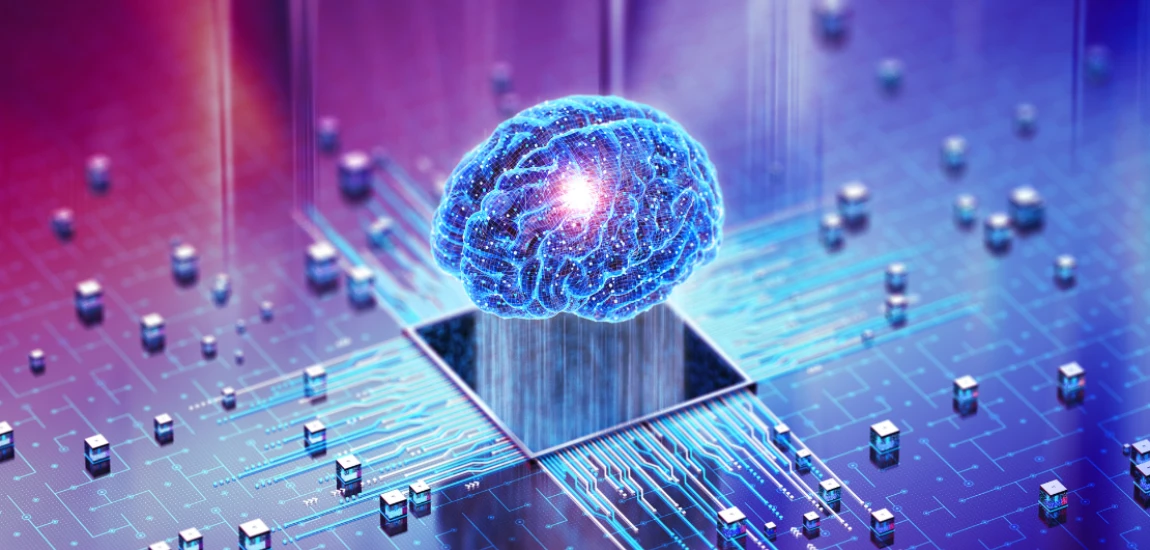
Artificial intelligence has evolved dramatically over the past decade, but traditional computing architectures continue to face challenges related to energy consumption, scalability, and real-time learning. As AI systems become increasingly complex, researchers and technology leaders are exploring alternative approaches inspired by nature's most powerful computational system—the human brain.
Neuromorphic computing ecosystems represent a groundbreaking paradigm that combines neuroscience, computer engineering, and artificial intelligence to create systems capable of processing information similarly to biological neural networks. Unlike conventional processors, neuromorphic systems utilize artificial neurons and synapses to enable adaptive learning, pattern recognition, and energy-efficient computation.
As industries seek smarter, faster, and more sustainable AI solutions, neuromorphic computing is emerging as a critical technology that could redefine intelligent networks, autonomous machines, and cognitive computing platforms. This article explores the foundations, applications, benefits, challenges, and future potential of neuromorphic computing ecosystems.
Understanding Neuromorphic Computing Ecosystems

Brain-Inspired Computing Principles
Neuromorphic computing is based on the architecture of biological brains. Traditional computers process information sequentially, while the human brain operates through billions of interconnected neurons working simultaneously. Neuromorphic systems replicate this behavior using artificial neurons and synapses that communicate through electrical spikes.
This event-driven processing model allows systems to consume power only when necessary, dramatically improving efficiency. Instead of continuously performing calculations, neuromorphic chips react dynamically to environmental stimuli, making them ideal for intelligent and adaptive applications.
Researchers have spent decades studying neural structures to develop computing frameworks that mimic biological learning and memory formation. These insights have enabled the creation of hardware specifically designed for cognitive tasks such as perception, reasoning, and decision-making.
Components of a Neuromorphic Ecosystem
A complete neuromorphic ecosystem consists of several interconnected technologies. These include neuromorphic processors, spiking neural networks, intelligent sensors, edge computing devices, and AI software frameworks.
Neuromorphic chips act as the computational core, while specialized sensors capture real-world data in a biologically inspired manner. Together, these components create integrated systems capable of real-time learning and adaptation.
The ecosystem also includes development tools, simulation environments, and machine learning platforms that enable researchers and businesses to design advanced cognitive applications.
Differences from Traditional AI Systems
Traditional AI relies heavily on cloud-based processing and large datasets for training. Neuromorphic computing, however, focuses on continuous learning, decentralized intelligence, and low-power operation.
Rather than requiring extensive retraining, neuromorphic systems can adapt incrementally as new information becomes available. This capability mirrors human learning and makes these systems more flexible in dynamic environments.
As a result, neuromorphic computing offers a promising alternative for future AI networks that require efficiency, autonomy, and real-time responsiveness.
The Architecture Behind Brain-Inspired Artificial Intelligence Networks

Spiking Neural Networks and Cognitive Processing
One of the most significant innovations in neuromorphic computing is the development of spiking neural networks (SNNs). Unlike conventional neural networks that process information continuously, SNNs transmit information through discrete spikes similar to biological neurons.
This approach enables more realistic neural modeling and significantly reduces computational requirements. Information is processed only when relevant signals occur, reducing unnecessary energy consumption.
Spiking neural networks are particularly effective for sensory processing tasks such as vision, speech recognition, and environmental monitoring, where rapid responses are critical.
Neuromorphic Hardware Design
Neuromorphic hardware differs substantially from traditional CPUs and GPUs. Instead of separating memory and processing functions, neuromorphic chips integrate both capabilities into distributed architectures.
This design eliminates bottlenecks associated with data movement and enhances computational efficiency. Modern neuromorphic processors can simulate millions of neurons and billions of synaptic connections while consuming minimal power.
Such innovations are enabling the development of compact AI devices capable of operating independently without relying on cloud infrastructure.
Learning and Adaptation Mechanisms
Brain-inspired AI networks incorporate learning mechanisms that resemble biological plasticity. Synaptic weights can change dynamically based on experience, allowing systems to improve performance over time.
These adaptive learning processes enable continuous optimization, anomaly detection, and intelligent decision-making. As a result, neuromorphic systems become increasingly effective as they interact with their environments.
This self-improving capability is expected to play a major role in future autonomous technologies.
Key Applications of Neuromorphic Computing Ecosystems

Intelligent Robotics and Automation
Neuromorphic computing is revolutionizing robotics by enabling machines to perceive, learn, and respond more naturally. Brain-inspired robots can process sensory information efficiently and make decisions in real time.
Industrial automation systems powered by neuromorphic processors can adapt to changing conditions, optimize workflows, and improve operational efficiency. These capabilities reduce downtime and enhance productivity across manufacturing environments.
Future robots may achieve unprecedented levels of autonomy through neuromorphic intelligence.
Healthcare and Medical Diagnostics
Healthcare is another sector benefiting significantly from neuromorphic technologies. Brain-inspired systems can analyze complex medical data, identify patterns, and support diagnostic decision-making.
Neuromorphic sensors can monitor physiological signals continuously while consuming minimal power. This capability is particularly valuable for wearable medical devices and remote patient monitoring systems.
Advanced neuromorphic networks may also contribute to neuroscience research and the development of brain-computer interfaces.
Smart Cities and Intelligent Infrastructure
Urban environments generate enormous amounts of data from sensors, transportation systems, and communication networks. Neuromorphic computing enables efficient processing of this information in real time.
Smart traffic management systems, environmental monitoring platforms, and public safety networks can leverage neuromorphic architectures to improve responsiveness and resource allocation.
By reducing computational demands, these systems help cities become more sustainable and resilient.
Benefits Driving the Adoption of Neuromorphic Technologies

Exceptional Energy Efficiency
One of the primary advantages of neuromorphic computing is its remarkable energy efficiency. Traditional AI systems often require large data centers consuming significant amounts of electricity.
Neuromorphic processors use event-driven computation, allowing them to operate with substantially lower power requirements. This makes them suitable for mobile devices, edge computing platforms, and autonomous systems.
As energy costs continue to rise, efficient computing architectures will become increasingly important.
Real-Time Intelligence and Decision Making
Neuromorphic systems excel at processing information in real time. Their distributed architectures enable rapid analysis of sensory data and immediate responses to changing conditions.
This capability is essential for applications such as autonomous vehicles, drones, industrial automation, and emergency response systems where delays can have serious consequences.
Real-time intelligence enhances operational effectiveness and supports safer decision-making processes.
Scalability and Adaptability
Neuromorphic ecosystems are highly scalable and capable of supporting a wide range of applications. Their adaptive learning mechanisms allow them to evolve continuously without extensive retraining.
Organizations can deploy these systems across diverse environments while maintaining efficiency and performance. This flexibility positions neuromorphic computing as a foundational technology for future AI infrastructures.


Gilbert Ott, the man behind "God Save the Points," specializes in travel deals and luxury travel. He provides expert advice on utilizing rewards and finding travel discounts.
Gilbert Ott

Prev Post

Next Post