
Extended Reality Intelligence Platforms and the Convergence of Physical and Digital Experiences
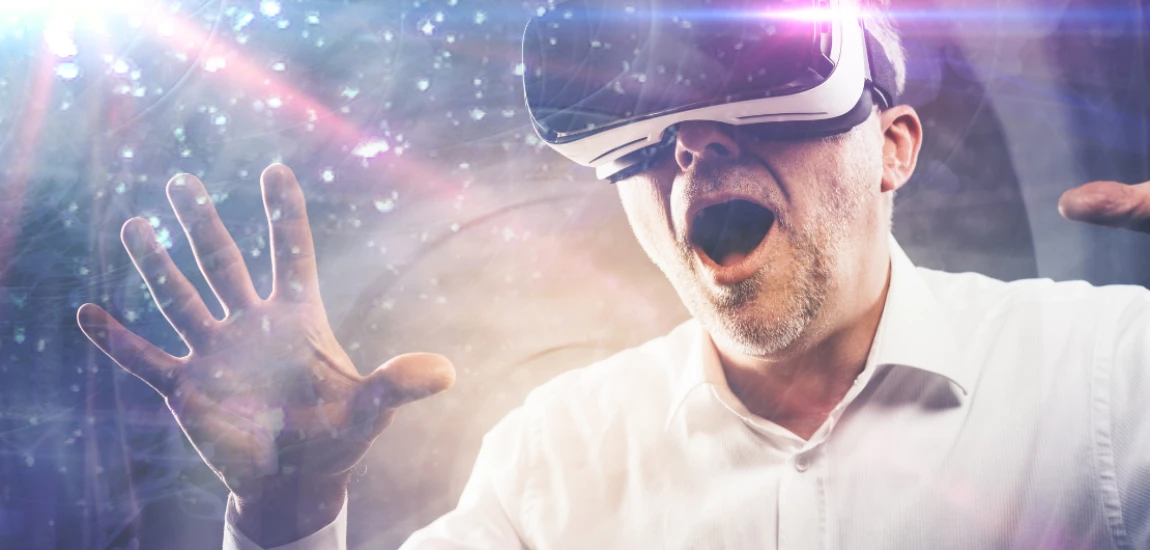
The relationship between humans and technology is undergoing a profound transformation. For decades, digital experiences have primarily existed on screens, separating users from the information and applications they interact with daily. However, advances in artificial intelligence, spatial computing, augmented reality (AR), virtual reality (VR), mixed reality (MR), and immersive interfaces are creating a new paradigm where digital content becomes an integrated part of the physical world.
At the center of this transformation are Extended Reality Intelligence Platforms, sophisticated ecosystems that combine immersive technologies with intelligent computing systems to create adaptive, interactive, and context-aware experiences. These platforms go beyond traditional virtual environments by enabling real-time interactions between physical objects, digital content, AI-driven assistants, and human users.
The convergence of physical and digital experiences is already influencing industries such as healthcare, education, retail, manufacturing, entertainment, real estate, and enterprise collaboration. From immersive training simulations and virtual workspaces to intelligent smart cities and personalized consumer experiences, XR technologies are redefining how people learn, work, communicate, and engage with their surroundings.
As computing continues to evolve beyond traditional devices, Extended Reality Intelligence Platforms are emerging as a foundational technology for the next generation of human-computer interaction, creating a future where digital intelligence is seamlessly embedded into everyday life.
Understanding Extended Reality Intelligence Platforms

The Evolution of Immersive Technologies
Extended Reality, commonly referred to as XR, is an umbrella term that encompasses augmented reality, virtual reality, and mixed reality technologies. These systems enable users to experience digital content in ways that go beyond conventional screens and interfaces.
The early stages of immersive technology focused primarily on gaming and entertainment applications. However, rapid advancements in hardware capabilities, sensor technologies, and AI-driven software have expanded XR into numerous professional and industrial sectors.
Today's Extended Reality Intelligence Platforms integrate real-time analytics, machine learning, and contextual awareness, creating intelligent environments capable of adapting dynamically to user behavior and environmental conditions.
Core Components of XR Intelligence Platforms
Several technologies work together to enable immersive intelligent experiences. Spatial computing provides environmental awareness, while computer vision systems identify objects, surfaces, and user interactions within physical spaces.
Artificial intelligence processes vast amounts of contextual information, enabling platforms to personalize content, predict user needs, and automate interactions. Cloud computing and edge computing infrastructures provide the computational power required to support complex XR applications.
These components collectively create intelligent ecosystems that bridge physical and virtual worlds with unprecedented precision and responsiveness.
Why XR Platforms Matter
As digital transformation accelerates, organizations are seeking more intuitive and effective ways to interact with information and technology. XR Intelligence Platforms offer immersive experiences that improve understanding, engagement, collaboration, and productivity.
By integrating digital intelligence directly into physical environments, these platforms reduce friction between users and technology. Information becomes more accessible, interactions become more natural, and decision-making becomes more informed.
This convergence is driving the next evolution of human-computer interaction across industries worldwide.
Artificial Intelligence as the Engine of Immersive Experiences

Context-Aware Intelligence Systems
Artificial intelligence plays a central role in transforming XR environments from static visual experiences into intelligent interactive ecosystems. AI systems continuously analyze user behavior, environmental conditions, and contextual information to optimize experiences in real time.
Through machine learning algorithms, platforms can identify patterns, anticipate user preferences, and deliver personalized content that adapts dynamically to changing situations.
This level of contextual awareness significantly enhances immersion and usability.
Natural Human-Computer Interaction
Traditional computing relies heavily on keyboards, touchscreens, and manual input methods. Extended Reality Intelligence Platforms introduce more intuitive forms of interaction through voice recognition, gesture tracking, eye movement analysis, and spatial awareness technologies.
AI-powered systems interpret these inputs naturally, allowing users to communicate with digital environments in ways that closely resemble real-world interactions.
The result is a more seamless and engaging user experience that feels less constrained by technological limitations.
Intelligent Virtual Assistants in XR
Virtual assistants within XR environments are evolving beyond simple voice-based interactions. Advanced AI agents can understand spatial contexts, provide real-time guidance, and assist users with complex tasks.
Whether supporting medical procedures, industrial maintenance, educational experiences, or collaborative workflows, intelligent assistants enhance productivity and improve outcomes.
These capabilities are making immersive environments increasingly practical for real-world applications.
The Convergence of Physical and Digital Environments

Spatial Computing and Digital Integration
Spatial computing enables digital information to exist within physical environments. Through advanced sensors and mapping technologies, XR systems understand the geometry and characteristics of real-world spaces.
Digital objects can be anchored to physical locations, creating persistent experiences that maintain consistency across sessions and devices. This integration allows users to interact with virtual content as if it were part of their actual surroundings.
The blending of physical and digital realities is becoming increasingly seamless and realistic.
Digital Twins and Intelligent Simulations
Digital twin technology is a powerful extension of XR platforms. Digital twins create virtual replicas of physical systems, environments, or assets that update continuously using real-time data.
Organizations can monitor operations, test scenarios, and optimize performance within immersive environments before implementing changes in the real world.
These simulations improve decision-making while reducing risks and operational costs.
Persistent Mixed-Reality Ecosystems
Future XR platforms are expected to support persistent mixed-reality environments where digital content remains continuously available and synchronized across users and devices.
These ecosystems will facilitate collaboration, communication, and information sharing on an unprecedented scale. Users will interact with digital objects and services as naturally as they interact with physical surroundings.
Persistent environments represent a major step toward fully integrated digital-physical experiences.
Industry Applications of Extended Reality Intelligence Platforms

Healthcare and Medical Innovation
Healthcare is one of the most promising sectors for XR adoption. Immersive technologies support surgical planning, medical training, patient education, and remote consultations.
AI-enhanced XR systems can visualize complex anatomical structures, provide procedural guidance, and improve clinical decision-making. These capabilities enhance both healthcare delivery and medical education.
The integration of XR and AI has the potential to significantly improve patient outcomes.
Education and Workforce Development
Traditional educational methods often struggle to provide hands-on experiences in safe and accessible ways. XR platforms create immersive learning environments that enable students and professionals to practice skills, explore complex concepts, and engage with realistic simulations.
AI-driven personalization further enhances learning effectiveness by adapting content to individual needs and performance levels.
These technologies are transforming education and workforce training across industries.
Enterprise Collaboration and Remote Work
As organizations embrace distributed work models, XR platforms provide new opportunities for collaboration. Virtual workspaces enable teams to interact in shared digital environments regardless of geographic location.
Immersive collaboration tools improve communication, creativity, and productivity while reducing travel requirements.
These capabilities are reshaping the future of work and organizational collaboration.


Derek Baron, also known as "Wandering Earl," offers an authentic look at long-term travel. His blog contains travel stories, tips, and the realities of a nomadic lifestyle.
Derek Baron

Prev Post

Next Post