
Neural Interface Computing and Thought-Based Human–Machine Interaction
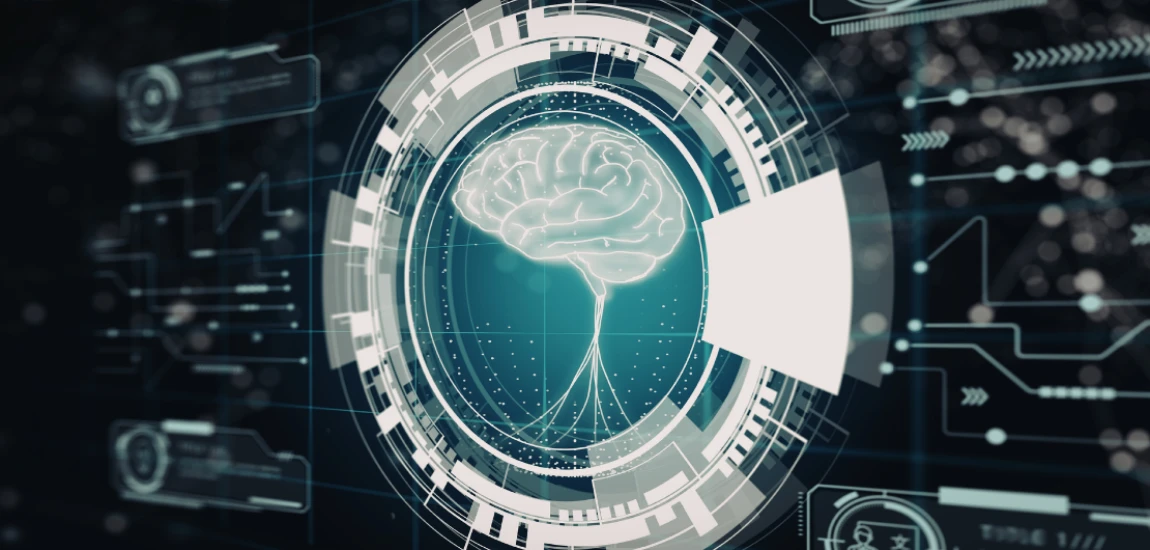
The way humans interact with technology has evolved dramatically—from keyboards and touchscreens to voice assistants. Now, we are entering a new frontier: neural interface computing, where thoughts themselves can control machines. This groundbreaking innovation is paving the way for thought-based human–machine interaction, fundamentally transforming how we communicate with digital systems.
Neural interfaces, often referred to as brain-computer interfaces (BCIs), enable direct communication between the human brain and external devices. By decoding neural signals, these systems can translate thoughts into actionable commands, eliminating the need for physical input methods.
This technology holds immense potential across various industries. From healthcare and assistive technologies to gaming, education, and defense, neural interface computing is unlocking new possibilities. It is not just about convenience—it is about redefining human capability.
In this blog, we will explore the core concepts, architecture, applications, benefits, challenges, and future trends of neural interface computing, providing valuable insights into this transformative technology.
Understanding Neural Interface Computing

What is Neural Interface Computing
Neural interface computing refers to the use of advanced technologies to establish a direct connection between the human brain and machines. These systems capture neural signals, interpret them using AI algorithms, and convert them into commands that computers can understand.
Unlike traditional input methods, neural interfaces bypass physical interaction entirely. This allows users to control devices using only their thoughts. The technology relies on sensors, electrodes, and machine learning models to decode brain activity with high precision.
There are two main types of neural interfaces: invasive and non-invasive. Invasive systems involve implanting electrodes directly into the brain, offering higher accuracy. Non-invasive systems, such as EEG-based devices, are safer but may have lower signal resolution.
How Thought-Based Interaction Works
Thought-based interaction begins with the detection of neural signals. These signals are generated by brain activity and captured using specialized hardware. The data is then processed and analyzed using AI algorithms.
Machine learning models are trained to recognize patterns in neural activity. Once a pattern is identified, it is mapped to a specific command, such as moving a cursor or typing text.
Over time, these systems improve through continuous learning, adapting to individual users and enhancing accuracy. This creates a personalized interaction experience.
Evolution of Brain-Computer Interfaces
The concept of brain-computer interfaces has been around for decades, but recent advancements in AI and neuroscience have accelerated their development.
Early systems were limited in functionality and accuracy. Today, modern neural interfaces can perform complex tasks, such as controlling robotic limbs and enabling communication for individuals with disabilities.
As research continues, these systems are becoming more accessible and practical, bringing us closer to widespread adoption.
Core Technologies Behind Neural Interfaces

Role of Artificial Intelligence
Artificial intelligence plays a crucial role in neural interface computing. AI algorithms process and interpret neural data, enabling accurate translation of thoughts into commands.
Deep learning models are particularly effective in recognizing complex patterns in brain activity. They can adapt to variations in neural signals, improving performance over time.
AI also enables real-time processing, ensuring seamless interaction between the user and the machine.
Sensors and Signal Acquisition
Sensors are responsible for capturing neural signals. These can include EEG headsets, implanted electrodes, and other advanced devices.
The quality of signal acquisition is critical for the success of neural interfaces. High-resolution sensors provide more accurate data, enhancing system performance.
Advancements in sensor technology are making neural interfaces more efficient and user-friendly.
Data Processing and Interpretation
Once neural signals are captured, they must be processed and interpreted. This involves filtering noise, extracting relevant features, and analyzing patterns.
Signal processing techniques ensure that only meaningful data is used for decision-making. Machine learning models then convert this data into actionable commands.
Efficient data processing is essential for real-time interaction and system reliability.
Applications of Thought-Based Human–Machine Interaction

Healthcare and Assistive Technology
One of the most impactful applications of neural interface computing is in healthcare. These systems enable individuals with disabilities to communicate and interact with their environment.
For example, patients with paralysis can use neural interfaces to control wheelchairs, prosthetic limbs, and communication devices. This significantly improves their quality of life.
Neural interfaces are also being used in rehabilitation, helping patients recover motor functions.
Gaming and Virtual Reality
The gaming industry is exploring neural interfaces to create immersive experiences. Players can control characters and environments using their thoughts, enhancing engagement and realism.
Virtual reality systems integrated with neural interfaces offer new levels of interaction, allowing users to experience digital worlds more naturally.
This opens up new possibilities for entertainment and training simulations.
Workplace and Productivity
Neural interface computing has the potential to revolutionize workplace productivity. Employees can interact with computers more efficiently, reducing the need for physical input.
This can lead to faster decision-making and improved workflow efficiency. It also enables new forms of collaboration and communication.
As the technology matures, it could become a standard tool in professional environments.
Benefits of Neural Interface Computing

Enhanced Accessibility
Neural interfaces provide unprecedented accessibility for individuals with disabilities. They enable direct communication and control, removing barriers to interaction.
This empowers users and promotes inclusivity, making technology more accessible to everyone.
Increased Efficiency
Thought-based interaction is faster and more intuitive than traditional input methods. It eliminates the need for physical actions, reducing response time.
This leads to increased efficiency in various applications, from gaming to professional tasks.
Personalized User Experience
Neural interfaces can adapt to individual users, creating personalized experiences. AI models learn from user behavior, improving accuracy and responsiveness.
This customization enhances user satisfaction and overall system performance.
Challenges and Ethical Considerations

Privacy and Data Security
Neural interface computing raises significant privacy concerns. Brain data is highly sensitive, and its misuse could have serious consequences.
Ensuring data security is essential for building trust and preventing unauthorized access.
Ethical Implications
The ability to read and interpret thoughts raises ethical questions about autonomy and consent. It is important to establish clear guidelines for the use of this technology.
Transparency and accountability are key to addressing these concerns.
Technical Limitations
Despite its potential, neural interface computing faces technical challenges. These include signal accuracy, hardware limitations, and high costs.
Ongoing research is focused on overcoming these barriers and improving system performance.


Gary Arndt operates "Everything Everywhere," a blog focusing on worldwide travel. An award-winning photographer, Gary shares stunning visuals alongside his travel tales.
Gary Arndt
Prev Post

Next Post