
Autonomous Scientific Discovery Systems and AI-Driven Research Innovation
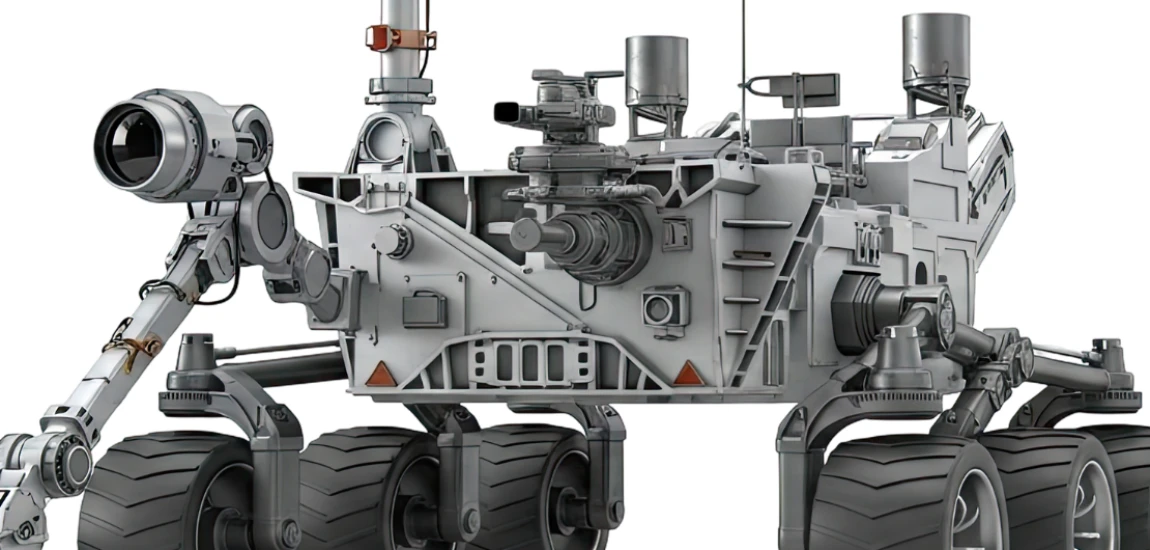
Scientific discovery has traditionally been a slow, iterative process requiring years of experimentation, analysis, and human insight. However, with the emergence of autonomous scientific discovery systems, this paradigm is rapidly changing. These systems combine artificial intelligence, robotics, and advanced data analytics to automate and accelerate the research process.
AI-driven research innovation is not just about speeding up experiments—it’s about transforming how discoveries are made. Machines can now generate hypotheses, conduct experiments, analyze results, and even refine their own methods without constant human supervision. This creates a feedback loop of continuous improvement, enabling breakthroughs at an unprecedented pace.
From drug discovery and climate modeling to materials science and physics, autonomous systems are reshaping the scientific landscape. They allow researchers to tackle complex problems that were previously too time-consuming or resource-intensive.
In this blog, we explore the architecture, capabilities, benefits, challenges, and future of autonomous scientific discovery systems, offering actionable insights for researchers, businesses, and innovators.
Understanding Autonomous Scientific Discovery Systems

What Are Autonomous Scientific Discovery Systems
Autonomous scientific discovery systems are AI-powered platforms designed to independently perform scientific research tasks. These systems integrate machine learning algorithms, robotic experimentation, and data-driven decision-making to create a self-sustaining research environment.
Unlike traditional computational tools that assist scientists, these systems take a more active role. They can formulate hypotheses based on existing data, design experiments to test those hypotheses, and analyze the results to draw conclusions. This level of autonomy represents a major leap forward in scientific methodology.
These systems are often referred to as “robot scientists” because they mimic the core functions of human researchers. However, they operate at a much larger scale and speed, processing vast amounts of data and running multiple experiments simultaneously.
Core Components and Technologies
At the heart of these systems are several key technologies. Machine learning models enable pattern recognition and predictive analysis. Robotics systems handle physical experimentation, ensuring precision and repeatability. Data infrastructure supports the storage and processing of large datasets.
Additionally, natural language processing allows systems to interpret scientific literature and extract relevant information. This helps them stay updated with the latest research and integrate new knowledge into their workflows.
Cloud computing and high-performance computing resources further enhance their capabilities, enabling them to perform complex simulations and analyses.
Real-World Examples
Autonomous scientific discovery systems are already making an impact across various fields. In pharmaceuticals, they are used to identify potential drug candidates by analyzing molecular structures and predicting their interactions.
In materials science, these systems help discover new materials with specific properties, such as improved conductivity or durability. Environmental science applications include climate modeling and ecosystem analysis.
These real-world implementations demonstrate the transformative potential of AI-driven research innovation.
The Role of AI in Research Innovation

Accelerating Hypothesis Generation
One of the most significant contributions of AI to research is its ability to generate hypotheses. By analyzing large datasets, AI systems can identify patterns and correlations that may not be apparent to human researchers.
This enables the rapid generation of testable hypotheses, significantly reducing the time required for the initial stages of research. It also opens up new avenues of exploration, as AI can uncover relationships that were previously overlooked.
Enhancing Data Analysis
Data analysis is a critical component of scientific research, and AI excels in this area. Machine learning algorithms can process and analyze vast amounts of data quickly and accurately.
They can identify trends, detect anomalies, and generate insights that inform decision-making. This enhances the quality and reliability of research findings.
Enabling Continuous Learning
AI-driven research systems are capable of continuous learning. They can adapt to new data and refine their models over time, improving their performance and accuracy.
This iterative learning process ensures that research systems remain up-to-date and capable of handling evolving challenges. It also enables them to build on previous discoveries, creating a cumulative knowledge base.
Architecture of Autonomous Research Systems

Integration of AI and Robotics
The architecture of autonomous scientific discovery systems involves the seamless integration of AI and robotics. AI algorithms handle data analysis and decision-making, while robotic systems execute physical experiments.
This integration allows for a fully automated research pipeline, from hypothesis generation to experimental validation. It ensures consistency and reduces the risk of human error.
Data-Driven Experimentation
Data plays a central role in these systems. Experiments are designed based on data-driven insights, ensuring that they are targeted and efficient.
Real-time data collection and analysis enable systems to adjust their experiments dynamically. This adaptive approach improves the effectiveness of research efforts.
Feedback Loops and Optimization
Feedback loops are essential for continuous improvement. Results from experiments are fed back into the system, allowing it to refine its models and strategies.
This creates a cycle of optimization, where each iteration builds on the previous one. Over time, this leads to increasingly accurate and efficient research processes.
Benefits of AI-Driven Scientific Discovery

Speed and Efficiency
One of the most notable benefits of autonomous scientific discovery systems is their speed. They can conduct experiments and analyze results much faster than human researchers.
This accelerates the pace of discovery, enabling breakthroughs in a fraction of the time. It also allows researchers to focus on higher-level tasks, such as interpreting results and developing applications.
Cost Reduction
Automation reduces the need for manual labor and minimizes resource wastage. This leads to significant cost savings, making research more accessible and sustainable.
Organizations can allocate resources more efficiently, investing in areas that drive innovation and growth.
Improved Accuracy and Reproducibility
AI-driven systems ensure high levels of accuracy and reproducibility. Robotic experiments are consistent and free from human error, while AI algorithms provide precise analysis.
This improves the reliability of research findings and enhances trust in scientific outcomes.
Challenges and Ethical Considerations

Data Bias and Quality Issues
Despite their advantages, autonomous systems are not without challenges. Data bias can affect the accuracy and fairness of AI models, leading to skewed results.
Ensuring high-quality, unbiased data is essential for the success of these systems. Researchers must implement rigorous data validation and monitoring processes.
Ethical Implications of Automation
The automation of scientific discovery raises important ethical questions. Issues such as accountability, transparency, and the role of human oversight must be addressed.
It is crucial to ensure that AI systems are used responsibly and that their decisions can be explained and understood.
Technical and Infrastructure Challenges
Building and maintaining autonomous scientific discovery systems requires advanced infrastructure and expertise. This can be a barrier for smaller organizations.
Scalability and integration with existing systems are also key challenges that must be addressed.


Operating "The Blonde Abroad," Kiersten Rich specializes in solo female travel. Her blog provides destination guides, packing tips, and travel resources.
Kiersten Rich

Prev Post

Next Post