
Neural Digital Twin Networks and the Future of Personalized Human Simulation
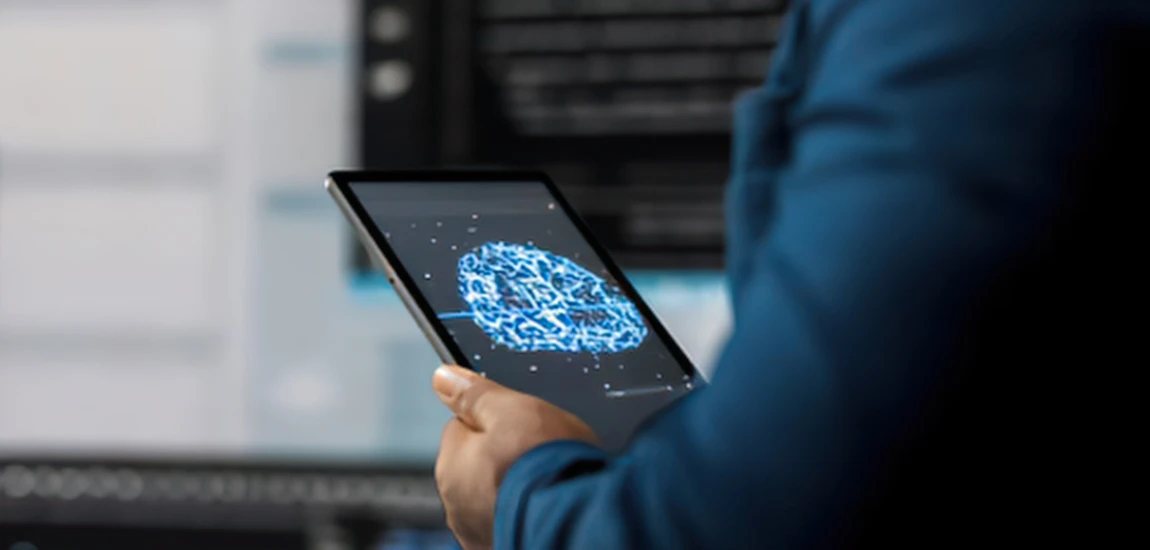
As artificial intelligence, neuroscience, and computational modeling continue to advance, researchers are moving closer to creating highly accurate digital representations of human beings. These intelligent models, known as Neural Digital Twin Networks, combine AI, machine learning, biomedical data, and real-time analytics to simulate human physiology, cognitive processes, and behavioral patterns with remarkable precision. Instead of relying solely on generalized models, neural digital twins offer personalized simulations tailored to individual characteristics, enabling more accurate predictions and informed decision-making.
Unlike traditional digital twins used in manufacturing and engineering, neural digital twin networks focus on modeling the complexities of the human body and brain. They continuously update using information collected from wearable devices, medical imaging, genetic analysis, electronic health records, and environmental data. Artificial intelligence analyzes these inputs to create evolving digital replicas capable of forecasting health outcomes, optimizing treatments, and supporting scientific research.
As computing power and data availability continue to expand, neural digital twin networks are expected to transform healthcare, education, biotechnology, sports science, and personalized medicine. Although still an emerging technology, they represent a significant step toward individualized human simulation and data-driven innovation.
Understanding Neural Digital Twin Networks

What Are Neural Digital Twin Networks?
Neural digital twin networks are advanced computational systems that create virtual representations of individual human beings by integrating biological, neurological, behavioral, and environmental information. These digital models continuously evolve as new data becomes available, allowing them to reflect real-world changes with increasing accuracy.
Artificial intelligence coordinates information from numerous sources, including wearable sensors, medical records, genomic data, brain imaging, and lifestyle metrics. Machine learning algorithms identify relationships among these datasets to simulate how an individual's body and mind may respond to various conditions, treatments, or environmental influences.
Unlike static medical records, neural digital twins function as living digital models that adapt over time. This dynamic capability enables healthcare professionals, researchers, and scientists to perform simulations that would be impossible or impractical using traditional methods.
Technologies Behind Personalized Human Simulation
Several cutting-edge technologies contribute to the development of neural digital twin networks. Artificial intelligence provides predictive modeling and pattern recognition, while machine learning continuously improves simulation accuracy through ongoing data analysis.
Advanced medical imaging technologies generate detailed anatomical information, wearable devices supply real-time physiological measurements, and genomic sequencing provides personalized genetic insights. Cloud computing and edge computing process massive datasets efficiently, while high-performance computing enables complex simulations involving millions of biological variables.
Together, these technologies create highly detailed virtual models capable of representing the intricate interactions between genetics, physiology, environmental influences, and human behavior.
The Evolution of Digital Twins in Human Sciences
Digital twin technology first gained popularity in engineering and industrial applications, where virtual models monitored machines, aircraft, and manufacturing systems. Researchers later recognized that similar principles could be applied to human biology by integrating medical, physiological, and neurological data.
Today, neural digital twin networks extend far beyond traditional simulation by incorporating cognitive functions, brain activity, emotional responses, and behavioral patterns. As neuroscience research advances, future digital twins may provide increasingly comprehensive representations of human health and decision-making processes.
This evolution marks a major shift toward individualized scientific modeling capable of supporting precision medicine, preventive healthcare, and personalized wellness strategies.
How Artificial Intelligence Powers Personalized Human Simulation

Continuous Learning Through Real-Time Data
Artificial intelligence enables neural digital twin networks to learn continuously from real-world information. Wearable health devices monitor heart rate, sleep quality, blood oxygen levels, physical activity, and other physiological indicators throughout the day.
Machine learning algorithms analyze these data streams alongside medical histories, laboratory results, environmental conditions, and lifestyle factors to identify emerging health trends. Instead of relying on occasional clinical visits, digital twins remain continuously updated, providing an accurate representation of an individual's current health status.
This real-time learning allows healthcare providers to identify subtle changes before noticeable symptoms develop, supporting earlier diagnosis and more effective preventive care.
Predictive Modeling for Better Decision-Making
One of the greatest strengths of AI-powered neural digital twins is their predictive capability. By simulating multiple future scenarios, artificial intelligence estimates how an individual may respond to different treatments, medications, rehabilitation programs, dietary changes, or environmental conditions.
Rather than applying standardized treatment protocols, clinicians can compare various options using the patient's digital twin before implementing real-world interventions. This personalized approach improves treatment planning while reducing unnecessary risks and healthcare costs.
Researchers also benefit from predictive simulations when evaluating disease progression, testing medical hypotheses, or developing innovative therapeutic strategies using virtual patient populations.
Improving Accuracy Through Intelligent Analytics
The accuracy of personalized human simulation depends on the ability to process enormous volumes of complex biological information. Artificial intelligence excels at identifying subtle relationships that may remain undetected through conventional analytical methods.
Deep learning algorithms recognize intricate patterns across genetics, physiology, medical imaging, environmental exposure, and behavioral data. As additional information becomes available, neural digital twin networks continuously refine their predictions, improving simulation reliability over time.
This adaptive intelligence enables increasingly precise representations of human biology, creating valuable tools for healthcare, scientific discovery, personalized wellness, and future medical innovation.
Applications of Neural Digital Twin Networks

Transforming Personalized Healthcare
One of the most significant applications of neural digital twin networks is in personalized healthcare. Traditional medical treatments often rely on generalized clinical guidelines, but every individual has unique genetics, lifestyle habits, medical history, and environmental influences. Neural digital twins allow healthcare professionals to develop treatment plans specifically tailored to each patient.
Artificial intelligence continuously analyzes data collected from wearable devices, medical imaging, laboratory reports, genomic sequencing, and electronic health records. These insights enable physicians to simulate various treatment options before applying them in real life. Doctors can predict how a patient might respond to specific medications, surgeries, or rehabilitation programs while reducing potential risks and improving treatment success.
The technology also supports preventive healthcare by detecting early signs of disease development. Instead of waiting for symptoms to appear, healthcare providers can recommend lifestyle changes or medical interventions based on predictive simulations, improving long-term patient outcomes and reducing healthcare costs.
Accelerating Medical Research and Drug Development
Neural digital twin networks can significantly speed up biomedical research by providing highly accurate virtual human models for experimentation. Pharmaceutical companies spend years testing new medications through laboratory studies and clinical trials. Personalized digital twins offer an additional layer of simulation before human testing begins.
Researchers can evaluate drug effectiveness, dosage adjustments, potential side effects, and interactions with existing medical conditions using virtual patient models. This reduces research costs while increasing confidence before large-scale clinical trials.
Medical scientists may also simulate disease progression across different patient populations to identify more effective therapies for cancer, neurological disorders, cardiovascular diseases, and rare genetic conditions. Artificial intelligence accelerates these discoveries by analyzing enormous biological datasets much faster than conventional research methods.
Enhancing Education and Human Performance
Educational institutions and healthcare training programs can use neural digital twin networks to provide highly realistic learning experiences. Medical students may practice diagnosing and treating virtual patients with individualized characteristics, improving clinical decision-making without risking patient safety.
Sports scientists and performance specialists can also utilize digital twins to optimize athletic training. AI analyzes biomechanics, nutrition, recovery, muscle performance, and injury risks to create personalized performance improvement strategies.
Beyond healthcare and sports, industries such as aerospace, defense, and occupational safety may use personalized simulations to evaluate physical and cognitive performance under demanding operational conditions, supporting safer and more effective workforce training.
Benefits of Personalized Human Simulation

Improved Precision and Individualized Care
One of the greatest advantages of neural digital twin networks is their ability to deliver highly personalized insights. Every person's biology differs, making standardized approaches less effective in many situations.
AI-powered digital twins analyze unique biological characteristics alongside continuously updated health information to generate individualized predictions. This allows healthcare professionals to tailor medications, therapies, rehabilitation plans, and preventive care according to each patient's specific needs.
Such precision improves treatment effectiveness while minimizing adverse reactions, unnecessary procedures, and healthcare expenses.
Faster Decision-Making Through Artificial Intelligence
Artificial intelligence processes enormous amounts of medical and physiological information within seconds. Neural digital twin networks continuously analyze incoming data to detect emerging health issues and recommend appropriate actions in real time.
Clinicians benefit from faster access to comprehensive patient insights, enabling more informed decisions during routine care and emergency situations. Predictive analytics further assists healthcare providers by identifying high-risk patients before serious complications develop.
This rapid decision-making improves patient safety while increasing healthcare system efficiency.
Supporting Preventive Medicine and Wellness
Rather than focusing solely on disease treatment, neural digital twin networks emphasize prevention. Continuous monitoring allows AI to recognize subtle physiological changes associated with future health risks.
Individuals receive personalized recommendations regarding nutrition, physical activity, sleep quality, stress management, and preventive screenings based on their evolving digital twin. Early intervention reduces the likelihood of chronic disease development while promoting healthier lifestyles.
Preventive healthcare supported by AI-driven simulations may significantly improve population health outcomes while lowering long-term healthcare costs worldwide.


Gary Arndt operates "Everything Everywhere," a blog focusing on worldwide travel. An award-winning photographer, Gary shares stunning visuals alongside his travel tales.
Gary Arndt

Prev Post

Next Post