
Nanorobotic Healthcare Platforms and Precision Cellular Repair Technologies
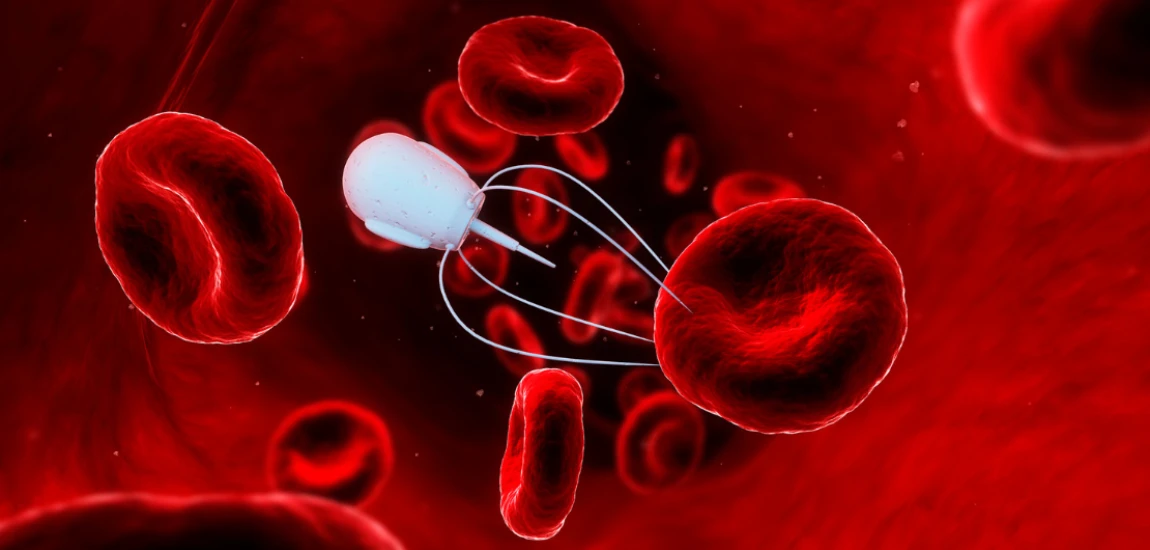
Modern medicine has made extraordinary progress in diagnostics, surgery, and pharmaceutical development, yet many diseases remain difficult to treat at their root cause because they operate at the cellular and molecular level. Conditions such as cancer, neurodegenerative disorders, genetic mutations, and organ failure often begin with microscopic damage that traditional medical tools struggle to repair precisely. This limitation has led researchers to explore an entirely new frontier in healthcare innovation: Nanorobotic Healthcare Platforms and Precision Cellular Repair Technologies.
Nanorobotics refers to the use of extremely small machines—measured at the nanometer scale—that can interact directly with biological systems such as cells, proteins, and DNA structures. When combined with artificial intelligence, biotechnology, and advanced medical engineering, these nanorobots form intelligent healthcare platforms capable of navigating the human body, identifying damaged tissues, and performing highly targeted therapeutic actions. Unlike conventional treatments that affect large areas of the body, nanorobotic systems aim for surgical-level precision at the cellular scale.
Although many of these technologies are still in experimental or early development stages, significant progress in nanomedicine, molecular engineering, and targeted drug delivery is rapidly bringing them closer to real-world application. The future of healthcare may rely heavily on these systems, where diseases are treated not at the organ level, but at the level of individual cells and molecules.
Understanding Nanorobotic Healthcare Platforms

The Science Behind Nanorobotics in Medicine
Nanorobotic Healthcare Platforms are built upon the principles of nanotechnology, which involves manipulating matter at the atomic and molecular scale. At this level, materials behave differently than they do in bulk form, allowing scientists to design structures that interact with biological systems in highly specialized ways. Nanorobots are typically conceptualized as microscopic devices made from biocompatible materials such as carbon nanotubes, DNA-based structures, or engineered proteins.
These nanoscale machines can be designed to perform specific medical tasks, such as identifying cancer cells, delivering drugs directly to infected tissues, or repairing damaged cellular structures. Unlike conventional treatments, which often rely on systemic drug distribution, nanorobotic systems operate with extreme precision, reducing side effects and improving treatment efficiency. Researchers are also exploring biohybrid nanorobots that combine synthetic materials with biological components, enabling better compatibility with the human body.
Integration with Biomedical Engineering Systems
Nanorobotic healthcare platforms do not function in isolation. They are integrated into broader biomedical ecosystems that include diagnostic tools, imaging systems, and AI-powered analytics platforms. These systems work together to detect disease conditions early and guide nanorobots to specific locations within the body. Advanced imaging techniques such as MRI, fluorescence imaging, and molecular scanning play a crucial role in tracking nanorobot activity in real time.
Machine learning algorithms analyze biological data to determine optimal treatment strategies. This integration allows nanorobotic systems to adapt dynamically to changing physiological conditions, making treatments more personalized and effective. Over time, these platforms could become a central component of precision medicine.
Evolution from Nanomedicine to Intelligent Nanorobotics
Nanomedicine already exists in the form of nanoparticle-based drug delivery systems used in cancer therapy and vaccine development. However, nanorobotic healthcare platforms represent a more advanced evolution. Instead of passive drug carriers, nanorobots are active, programmable systems capable of sensing, decision-making, and executing complex biological tasks. This shift marks a transition from static treatment methods to dynamic, intelligent therapeutic systems.
Precision Cellular Repair Technologies and Biological Restoration

Targeting Disease at the Cellular Level
Precision cellular repair technologies aim to identify and correct damage within individual cells. Many diseases begin with molecular abnormalities such as DNA mutations, protein misfolding, or mitochondrial dysfunction. Traditional medicine often treats symptoms rather than repairing these root causes. Nanorobotic systems, however, can theoretically operate at the scale required to directly address these issues.
For example, nanorobots could locate cancerous cells and trigger apoptosis (programmed cell death) without harming surrounding healthy tissue. In neurodegenerative diseases, they may help repair damaged neurons or clear toxic protein accumulations. This level of precision represents a fundamental shift in how medicine approaches disease treatment.
Molecular-Level Tissue Regeneration
Beyond treating diseases, nanorobotic platforms may enable tissue regeneration by stimulating cellular repair mechanisms. Researchers are exploring ways to use nanoscale devices to deliver growth factors, repair DNA strands, and guide stem cell differentiation. These processes could help regenerate damaged organs such as the liver, heart, or brain tissue.
Precision repair technologies also involve manipulating cellular environments to encourage natural healing. By controlling biochemical signals at the molecular level, nanorobots could accelerate recovery from injuries and reduce the need for invasive surgeries.
Real-Time Cellular Monitoring Systems
Another important aspect of cellular repair technologies is continuous monitoring. Nanosensors embedded within the body could track cellular health in real time, detecting abnormalities long before symptoms appear. These systems could provide early warnings for diseases such as cancer, diabetes, or cardiovascular conditions, enabling preventive treatment strategies rather than reactive ones.
Artificial Intelligence and Smart Nanorobotic Control Systems

AI as the Central Control Mechanism
Artificial intelligence plays a crucial role in managing nanorobotic healthcare platforms. Because nanorobots operate at extremely small scales and in large numbers, direct human control is impossible. Instead, AI algorithms coordinate their behavior, analyze biological signals, and determine optimal intervention strategies.
Machine learning models trained on medical datasets can predict disease progression and guide nanorobots to targeted areas within the body. These systems continuously learn from biological feedback, improving their accuracy and effectiveness over time.
Autonomous Decision-Making in Medical Environments
Future nanorobotic systems may operate with a high degree of autonomy. Once deployed, they could independently navigate the bloodstream, identify pathological cells, and execute therapeutic actions without constant external guidance. This autonomy is essential for real-time medical response in dynamic biological environments.
However, autonomy must be carefully controlled through ethical and safety frameworks to prevent unintended biological interactions. Researchers are developing fail-safe mechanisms to ensure that nanorobots remain within predefined operational boundaries.
Data-Driven Personalized Medicine
AI-powered nanorobotic systems enable highly personalized treatment strategies. By analyzing an individual’s genetic profile, medical history, and cellular data, these platforms can tailor interventions specifically to each patient. This approach significantly improves treatment outcomes and reduces the risk of adverse reactions.
Medical Applications and Healthcare Transformation

Cancer Treatment and Targeted Therapy
One of the most promising applications of nanorobotic healthcare platforms is cancer treatment. Traditional chemotherapy affects both healthy and cancerous cells, often causing severe side effects. Nanorobots, however, can deliver drugs directly to tumor sites, minimizing damage to healthy tissues.
They can also identify cancer cells based on molecular markers and initiate targeted destruction processes. This precision significantly enhances treatment effectiveness while reducing toxicity.
Neurological Disorder Treatment
Nanorobotic systems may also play a role in treating neurological conditions such as Alzheimer’s, Parkinson’s disease, and spinal cord injuries. By crossing biological barriers such as the blood-brain barrier, nanorobots could deliver therapeutic agents directly to affected neural tissues.
They may also assist in repairing damaged neurons or removing harmful protein deposits that contribute to disease progression.
Infection Control and Immune System Support
Nanorobots could enhance the immune system by identifying and eliminating pathogens at an early stage. They may also be programmed to support immune responses in immunocompromised patients, improving resistance to infections and accelerating recovery processes.


Derek Baron, also known as "Wandering Earl," offers an authentic look at long-term travel. His blog contains travel stories, tips, and the realities of a nomadic lifestyle.
Derek Baron

Prev Post

Next Post