
Intelligent Transportation Systems and AI-Based Traffic Flow Optimization Networks
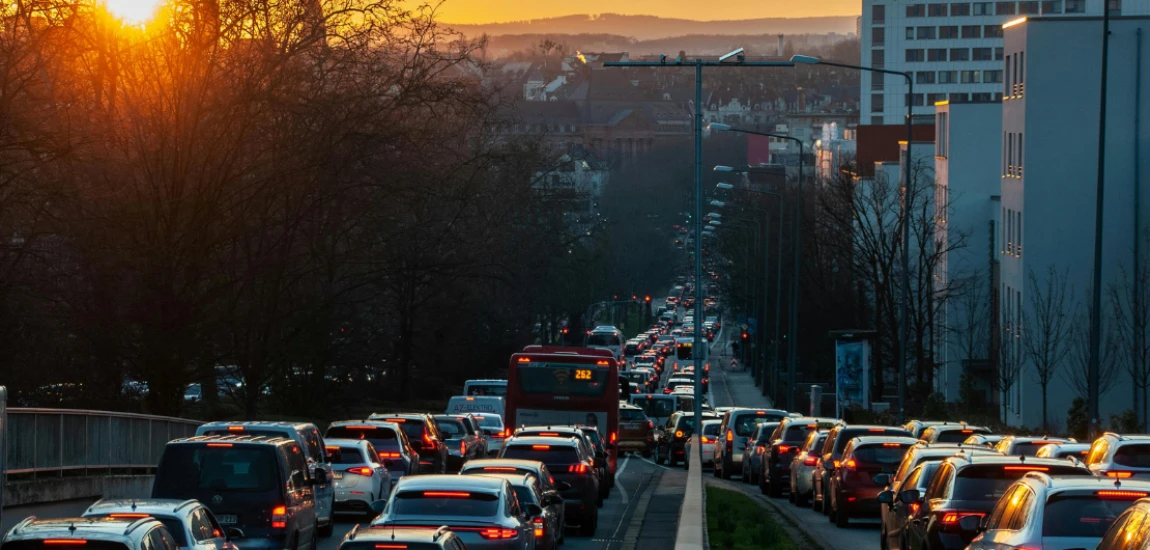
Intelligent transportation systems (ITS) are revolutionizing how modern cities manage mobility, traffic flow, and transportation infrastructure. With rapid urbanization and increasing vehicle density, traditional traffic management methods are no longer sufficient to handle congestion, delays, and safety challenges. AI-based traffic flow optimization networks are emerging as a powerful solution, leveraging artificial intelligence, machine learning, and real-time data analytics to improve transportation efficiency. These systems collect and process data from sensors, cameras, and connected devices to monitor traffic conditions, predict congestion, and optimize routing in real time. By integrating smart technologies into transportation networks, cities can reduce travel time, minimize fuel consumption, and enhance road safety. Intelligent transportation systems are not only improving daily commuting experiences but also playing a crucial role in the development of smart and sustainable urban environments.
Understanding Intelligent Transportation Systems

Evolution of Transportation Technologies
Transportation systems have evolved significantly over the years, transitioning from manual traffic control to advanced digital systems. In the past, traffic management relied on static signals and human intervention, which often resulted in inefficiencies and delays.
With the advancement of technology, intelligent transportation systems have emerged as a dynamic solution that integrates data-driven technologies into urban mobility. These systems use sensors, communication networks, and AI algorithms to monitor and manage traffic in real time. This evolution has enabled cities to address challenges such as congestion, pollution, and road safety more effectively.
Key Components of ITS
Intelligent transportation systems consist of several key components, including data collection devices, communication networks, and analytics platforms. Sensors and cameras are deployed across roads to gather data on traffic flow, vehicle speed, and road conditions.
Communication networks enable the transmission of this data to centralized systems, where it is analyzed using AI algorithms. These insights are then used to optimize traffic signals, manage congestion, and improve overall transportation efficiency.
Importance in Urban Mobility
The importance of intelligent transportation systems lies in their ability to enhance urban mobility and improve the quality of life for citizens. By reducing congestion and travel time, these systems make commuting more efficient and less stressful.
Additionally, ITS contributes to environmental sustainability by reducing fuel consumption and emissions. As cities continue to grow, the adoption of intelligent transportation systems will be essential for managing transportation challenges.
Core Technologies Behind AI-Based Traffic Optimization

Artificial Intelligence and Machine Learning
Artificial intelligence and machine learning are at the core of traffic flow optimization networks. These technologies enable systems to analyze large volumes of data, identify patterns, and make predictions.
Machine learning models continuously improve by learning from historical and real-time data, allowing systems to adapt to changing traffic conditions. This enhances the accuracy and effectiveness of traffic management strategies.
Internet of Things (IoT) in Transportation
The Internet of Things plays a crucial role in connecting devices and systems within transportation networks. IoT sensors collect real-time data from vehicles, roads, and infrastructure.
This data is transmitted to centralized platforms for analysis, enabling real-time monitoring and decision-making. IoT integration enhances visibility and enables proactive traffic management.
Cloud and Edge Computing
Cloud and edge computing technologies are essential for processing and managing the data generated by ITS. Cloud computing provides scalable storage and processing capabilities, while edge computing enables real-time data analysis at the source.
This combination ensures that systems can respond quickly to changing traffic conditions while maintaining a centralized repository for data.
Architecture of Traffic Flow Optimization Networks

Data Collection and Integration
The architecture of traffic optimization networks begins with data collection from various sources, including sensors, cameras, and connected vehicles. This data is then integrated into a centralized system for processing.
Effective data integration ensures that all relevant information is available for analysis, enabling comprehensive and accurate traffic management.
Real-Time Analytics and Decision-Making
Real-time analytics is a key feature of AI-based traffic optimization networks. By analyzing data as it is generated, these systems can provide immediate insights and enable quick decision-making.
This capability is particularly important for managing traffic congestion and responding to emergencies, where timely actions are critical.
Automated Traffic Control Systems
Automated traffic control systems use AI algorithms to optimize traffic signals, manage intersections, and control traffic flow. These systems can adjust signal timings based on real-time traffic conditions, reducing congestion and improving efficiency.
Automation reduces the need for manual intervention and enhances the overall performance of transportation networks.
Benefits of Intelligent Transportation Systems

Reduced Traffic Congestion
One of the primary benefits of ITS is the reduction of traffic congestion. By optimizing traffic flow and managing road usage, these systems help minimize delays and improve travel times.
This leads to a more efficient transportation system and a better commuting experience for users.
Improved Road Safety
Intelligent transportation systems enhance road safety by monitoring traffic conditions and identifying potential hazards.
AI algorithms can detect accidents, predict risky situations, and provide alerts to drivers, reducing the likelihood of accidents.
Environmental Sustainability
ITS contributes to environmental sustainability by reducing fuel consumption and emissions. Optimized traffic flow leads to less idling and smoother driving, which reduces the environmental impact of transportation.
This supports the development of greener and more sustainable cities.


Gilbert Ott, the man behind "God Save the Points," specializes in travel deals and luxury travel. He provides expert advice on utilizing rewards and finding travel discounts.
Gilbert Ott

Prev Post
Next Post