
AI-Powered Disaster Management Systems and Real-Time Emergency Response Frameworks
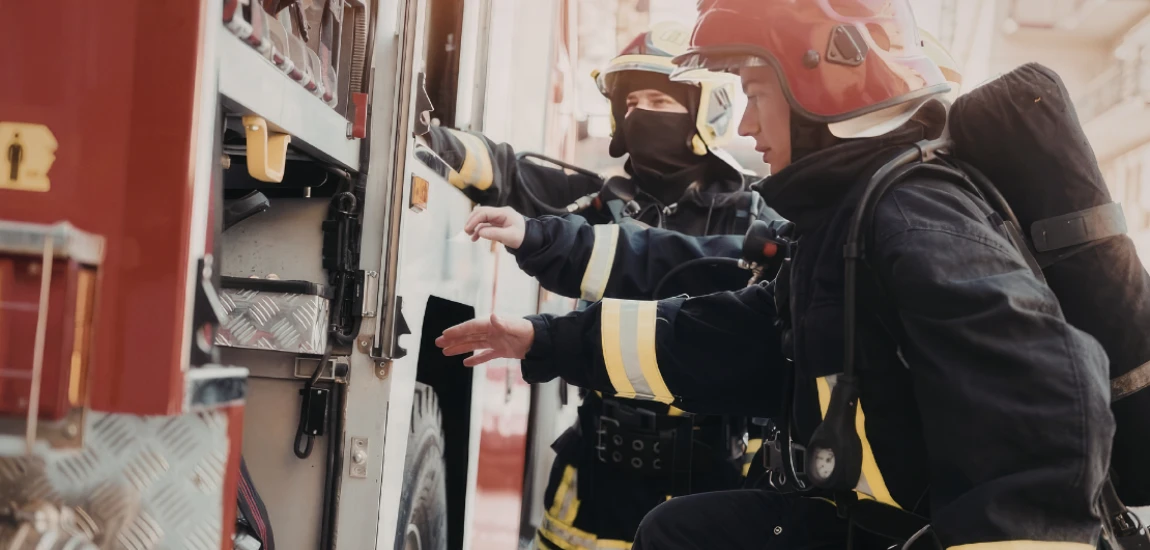
AI-powered disaster management systems are redefining how governments, emergency services, and humanitarian organizations respond to crises. In a world increasingly affected by natural disasters such as earthquakes, floods, wildfires, and hurricanes, traditional response mechanisms often struggle with speed, coordination, and accuracy. Delays in decision-making and lack of real-time information can result in significant loss of life and property. Real-time emergency response frameworks, powered by artificial intelligence, machine learning, and big data analytics, are changing this scenario by enabling faster detection, prediction, and response to disasters. These systems integrate data from satellites, sensors, social media, and weather stations to provide actionable insights during emergencies. By automating decision-making and optimizing resource allocation, AI-driven disaster management systems are becoming essential tools for saving lives and minimizing damage during crises.
Understanding AI-Powered Disaster Management Systems

Evolution of Disaster Response Technologies
Disaster management has evolved significantly over the past few decades, moving from manual coordination to technology-driven systems. In earlier times, emergency response relied heavily on human judgment, radio communication, and static disaster plans. While these methods provided basic support, they often lacked speed and accuracy in rapidly changing situations.
With the advancement of artificial intelligence, disaster management systems have become more proactive and intelligent. AI-powered systems can analyze vast amounts of data in real time, detect early warning signs, and support decision-making processes. This evolution has transformed disaster management from a reactive approach to a predictive and preventive strategy, significantly improving response effectiveness.
Key Features of AI-Based Disaster Systems
AI-powered disaster management systems are equipped with several advanced features, including real-time monitoring, predictive analytics, and automated alerts. These systems continuously collect data from multiple sources such as satellites, IoT devices, and weather stations.
Machine learning algorithms analyze this data to identify potential risks and predict disaster occurrences. Automated alert systems then notify authorities and citizens, enabling timely evacuation and preparedness measures. These features collectively enhance situational awareness and improve emergency response efficiency.
Importance in Modern Crisis Management
The importance of AI-powered disaster management systems lies in their ability to save lives and reduce economic losses. By providing real-time insights and predictive capabilities, these systems enable faster and more informed decision-making.
They also improve coordination between different agencies, ensuring that resources are deployed effectively. In an era of increasing climate change and urbanization, these systems are essential for building resilient communities.
Core Technologies Behind Real-Time Emergency Response

Artificial Intelligence and Machine Learning
Artificial intelligence and machine learning form the backbone of real-time emergency response frameworks. These technologies enable systems to analyze large datasets, detect anomalies, and predict disaster events.
Machine learning models continuously improve by learning from historical disaster data, making predictions more accurate over time. This allows emergency systems to anticipate risks and take preventive actions before disasters occur.
Internet of Things (IoT) and Sensor Networks
The Internet of Things plays a critical role in disaster management by connecting sensors and devices that monitor environmental conditions. IoT sensors collect real-time data on temperature, humidity, seismic activity, and water levels.
This data is transmitted to centralized systems where it is analyzed to detect early warning signs. IoT integration enhances situational awareness and enables faster response times during emergencies.
Satellite Imaging and Geospatial Analytics
Satellite imaging and geospatial analytics provide critical visual data for disaster management. These technologies allow authorities to monitor large geographic areas and assess the impact of disasters in real time.
AI algorithms analyze satellite images to detect changes in terrain, infrastructure damage, and affected populations. This information is essential for planning rescue and relief operations.
Architecture of Emergency Response Frameworks

Data Collection and Integration Systems
The architecture of AI-powered disaster management systems begins with data collection from multiple sources, including sensors, satellites, and communication networks. This data is integrated into a unified platform for analysis.
Effective data integration ensures that all relevant information is available for decision-making, enabling comprehensive disaster assessment.
Real-Time Analytics and Prediction Engines
Real-time analytics engines process incoming data to identify patterns and predict potential disasters. These systems use AI algorithms to generate insights and risk assessments.
Prediction engines enable authorities to take preventive measures, such as issuing evacuation orders or deploying emergency resources in advance.
Automated Decision-Making and Response Systems
Automated decision-making systems play a crucial role in executing emergency response strategies. These systems use AI to allocate resources, coordinate rescue operations, and manage communication.
Automation reduces response time and ensures that critical actions are taken without delay, improving overall efficiency during disasters.
Benefits of AI-Powered Disaster Management Systems

Faster Response and Reduced Reaction Time
One of the most significant benefits of AI-powered systems is the ability to respond to disasters in real time. By analyzing data instantly, these systems reduce reaction time and enable quicker decision-making.
This rapid response capability is critical for saving lives and minimizing damage during emergencies.
Improved Resource Allocation
AI systems optimize the allocation of resources such as rescue teams, medical supplies, and emergency equipment.
By analyzing data and predicting demand, these systems ensure that resources are deployed where they are needed most, improving efficiency and effectiveness.
Enhanced Public Safety and Awareness
AI-powered disaster management systems improve public safety by providing early warnings and real-time updates.
Citizens receive timely information about potential risks, enabling them to take necessary precautions and stay safe during emergencies.
Challenges in Implementing Disaster Management Systems

Data Accuracy and Reliability Issues
The effectiveness of AI systems depends on the accuracy and reliability of data. Incomplete or incorrect data can lead to inaccurate predictions.
Ensuring high-quality data collection and validation is essential for improving system performance.
Infrastructure and Technology Limitations
Implementing advanced disaster management systems requires robust infrastructure and technological capabilities.
In many regions, limited resources and outdated systems can hinder the deployment of AI-based solutions.
Privacy and Ethical Concerns
The use of personal and environmental data in disaster management raises privacy and ethical concerns.
It is important to ensure that data is used responsibly and in compliance with regulations to maintain public trust.


Kate McCulley, the voice behind "Adventurous Kate," provides travel advice tailored for women. Her blog encourages safe and adventurous travel for female readers.
Kate McCulley

Prev Post

Next Post