
AI-Enhanced Virtual Reality Systems and Immersive Simulation Interaction Architectures
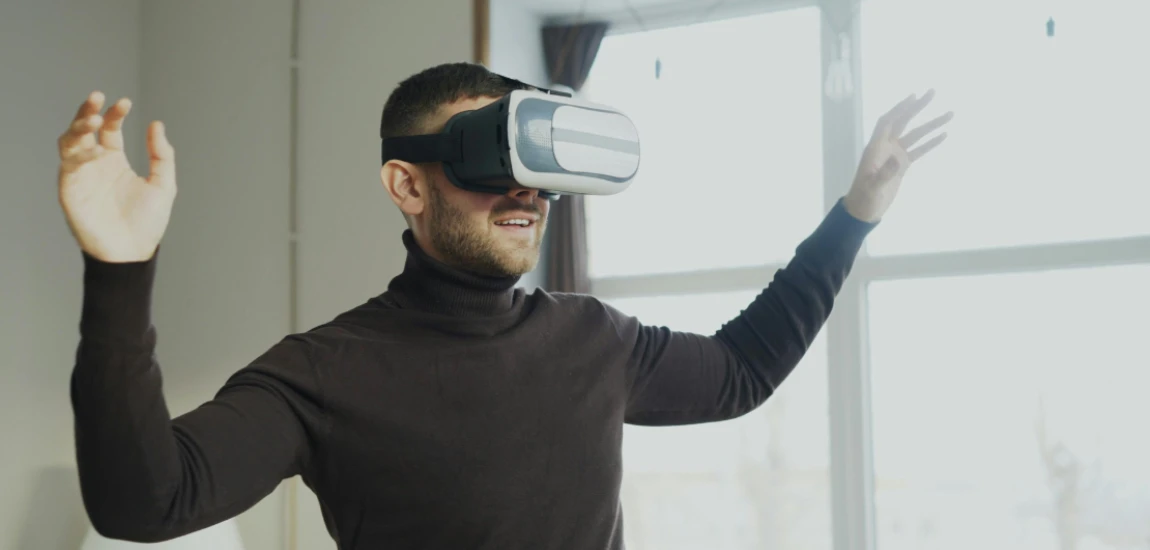
AI-enhanced virtual reality systems are redefining how users interact with digital environments by combining immersive visualization with intelligent, adaptive technologies. Traditional virtual reality (VR) systems provided static and pre-programmed experiences, limiting user engagement and realism. However, the integration of artificial intelligence has introduced a new dimension of interactivity, enabling virtual environments to respond dynamically to user behavior. Immersive simulation interaction architectures further enhance this capability by creating highly responsive systems that adapt in real time, delivering personalized and context-aware experiences. From gaming and education to healthcare and enterprise training, AI-powered VR systems are transforming industries by offering realistic simulations, improved decision-making environments, and enhanced user engagement. As technology continues to evolve, these systems are becoming more sophisticated, paving the way for fully immersive digital ecosystems.
Understanding AI-Enhanced Virtual Reality Systems

Evolution of Virtual Reality Technologies
Virtual reality has come a long way from its early stages of basic 3D visualization to advanced immersive environments. Initially, VR systems were limited by hardware constraints and lacked the ability to provide realistic interactions. Users could explore virtual spaces, but the experiences were largely static and predefined.
With the introduction of artificial intelligence, VR systems have evolved into intelligent platforms capable of adapting to user inputs and environmental changes. AI enables real-time processing, dynamic content generation, and enhanced interactivity, making virtual environments more engaging and realistic. This evolution is driving the adoption of VR across various industries, including entertainment, education, and healthcare.
Role of AI in Enhancing VR Experiences
Artificial intelligence plays a crucial role in enhancing VR experiences by enabling systems to learn from user behavior and adapt accordingly. AI algorithms analyze user interactions, preferences, and movements to create personalized experiences.
For example, AI can adjust the difficulty level in a game, recommend content in educational simulations, or provide real-time feedback in training environments. This level of adaptability enhances user engagement and improves the overall effectiveness of VR systems.
Importance in Modern Digital Ecosystems
AI-enhanced virtual reality systems are becoming an integral part of modern digital ecosystems. They enable businesses to create immersive experiences that improve customer engagement and satisfaction.
In industries such as healthcare and education, these systems provide innovative solutions for training and learning. Their ability to simulate real-world scenarios makes them a valuable tool for improving outcomes and driving innovation.
Core Technologies Behind Immersive Simulation Architectures

Artificial Intelligence and Machine Learning
Artificial intelligence and machine learning are the backbone of immersive simulation architectures. These technologies enable systems to process data, identify patterns, and generate intelligent responses.
Machine learning models continuously improve performance by learning from user interactions and environmental data. This allows VR systems to adapt to changing conditions and provide more realistic experiences.
Computer Vision and Natural Language Processing
Computer vision and natural language processing (NLP) enhance the interactivity of VR systems by enabling them to understand and respond to user inputs.
Computer vision allows systems to track user movements and interpret gestures, while NLP enables voice-based interactions. Together, these technologies create a more intuitive and immersive user experience.
Cloud and Edge Computing
Cloud and edge computing play a critical role in supporting AI-enhanced VR systems. Cloud computing provides the infrastructure for storing and processing large amounts of data, while edge computing enables real-time processing at the source.
This combination ensures low latency and high performance, enabling seamless and responsive virtual experiences.
Architecture of Immersive Simulation Interaction Systems

Data Input and Sensory Integration
The architecture of immersive simulation systems begins with data input, where sensors capture user movements, gestures, and environmental data.
This data is integrated into the system to create a cohesive and interactive experience. Sensory integration ensures that virtual environments respond accurately to user actions.
Real-Time Processing and Rendering
Real-time processing is essential for delivering smooth and responsive VR experiences. AI algorithms analyze data and generate outputs instantly, ensuring seamless interaction.
Rendering technologies create realistic visuals and environments, enhancing the overall immersion. High-quality rendering is crucial for maintaining user engagement.
Adaptive Feedback and Interaction Mechanisms
Adaptive feedback mechanisms enable VR systems to respond dynamically to user actions. This includes visual, auditory, and haptic feedback, which enhance the realism of the experience.
AI-driven interaction mechanisms allow systems to learn from user behavior and adjust accordingly, creating personalized and engaging experiences.
Benefits of AI-Enhanced Virtual Reality Systems

Enhanced User Engagement and Experience
AI-enhanced VR systems provide highly engaging and interactive experiences by adapting to user preferences and behavior.
This level of personalization increases user satisfaction and retention, making VR applications more effective.
Improved Training and Simulation Outcomes
In fields such as healthcare, aviation, and defense, VR systems are used for training and simulation. AI enhances these applications by providing realistic scenarios and real-time feedback.
This improves learning outcomes and prepares users for real-world challenges.
Cost Efficiency and Scalability
AI-powered VR systems reduce costs by minimizing the need for physical resources and enabling remote training and collaboration.
Scalability allows organizations to deploy VR solutions across multiple locations, improving accessibility and efficiency.


Gary Arndt operates "Everything Everywhere," a blog focusing on worldwide travel. An award-winning photographer, Gary shares stunning visuals alongside his travel tales.
Gary Arndt

Prev Post

Next Post