
Neuromorphic Swarm Transportation Systems and Self-Organizing Urban Mobility Architectures
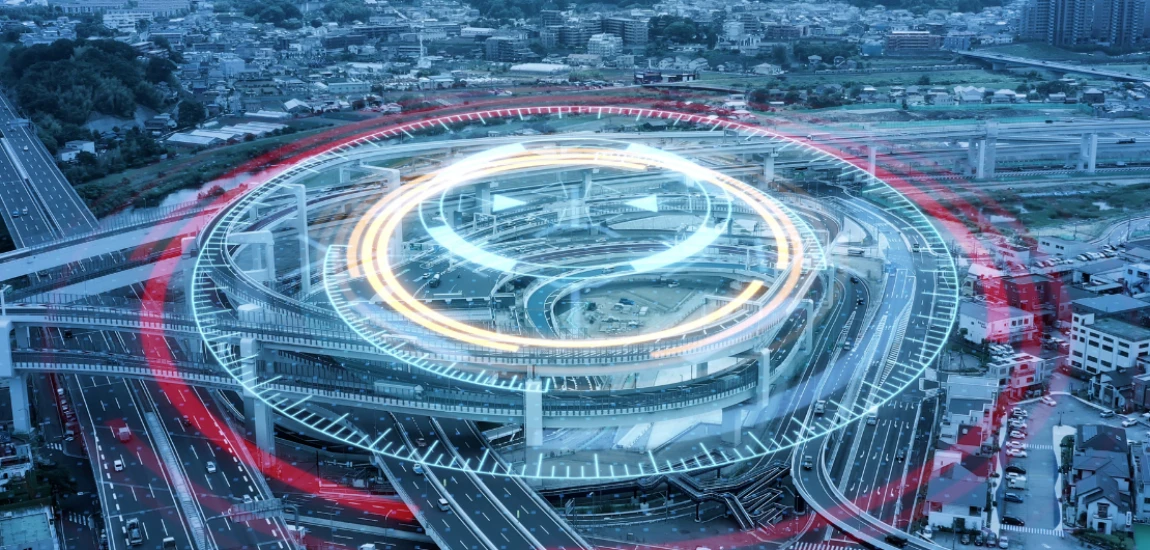
Urban transportation systems face growing pressure as cities expand, populations increase, and mobility demands become more complex. Traditional transportation infrastructure often struggles with traffic congestion, inefficient route planning, high energy consumption, and environmental impacts. While smart city technologies have introduced improvements through connected sensors and data-driven management, future mobility systems may require a fundamentally different approach.
Neuromorphic Swarm Transportation Systems and Self-Organizing Urban Mobility Architectures represent a visionary framework for next-generation transportation. Inspired by the human brain and collective behaviors observed in nature, these systems combine neuromorphic computing, swarm intelligence, artificial intelligence, autonomous vehicles, and real-time communication networks to create adaptive transportation ecosystems.
Unlike centralized transportation management systems, self-organizing mobility architectures enable vehicles, infrastructure, and transportation services to coordinate autonomously. Individual components continuously exchange information, learn from changing conditions, and optimize collective behavior without requiring constant centralized control.
This approach has the potential to reduce congestion, improve safety, minimize emissions, and enhance urban mobility efficiency. By creating transportation networks capable of adapting dynamically to changing conditions, cities may achieve unprecedented levels of resilience and sustainability. As technological advancements continue to accelerate, neuromorphic swarm transportation systems could become a cornerstone of future smart city development.
Understanding Neuromorphic Swarm Transportation Systems

The Inspiration Behind Neuromorphic Computing
Neuromorphic computing is a technology designed to mimic the structure and functionality of the human brain. Traditional computers process information sequentially and often require significant computational resources. In contrast, neuromorphic systems utilize interconnected processing units that communicate in ways similar to biological neurons.
This architecture enables rapid decision-making, energy-efficient computation, and adaptive learning capabilities. Within transportation systems, neuromorphic processors can analyze enormous volumes of real-time data while responding instantly to environmental changes. This allows transportation networks to operate more intelligently and efficiently than conventional systems.
The brain-inspired design also enhances resilience. Just as biological neural networks can continue functioning despite localized disruptions, neuromorphic transportation systems can adapt when individual components encounter failures or unexpected conditions.
Swarm Intelligence and Collective Decision-Making
Swarm intelligence draws inspiration from collective behaviors found in nature. Ant colonies, bird flocks, fish schools, and bee swarms demonstrate remarkable coordination without centralized leadership. Individual organisms follow simple rules while collectively producing highly efficient outcomes.
Transportation networks can apply similar principles. Vehicles, traffic signals, public transit systems, and mobility services act as autonomous agents that continuously exchange information. Each component makes local decisions while contributing to broader network objectives.
This decentralized approach improves scalability and flexibility. As transportation demands change, swarm-based systems automatically reorganize themselves to maintain optimal performance.
The Convergence of Brain-Inspired and Swarm Technologies
When neuromorphic computing and swarm intelligence are combined, transportation systems gain advanced learning and coordination capabilities. Vehicles can interpret traffic patterns, predict congestion, and collaborate with nearby agents to optimize routes.
The result is a transportation ecosystem capable of self-regulation, continuous adaptation, and intelligent mobility management across entire urban regions.
The Foundations of Self-Organizing Urban Mobility Architectures

Decentralized Transportation Networks
Traditional traffic management often relies on centralized control centers that monitor and direct transportation activities. While effective in many situations, centralized systems can become overwhelmed during emergencies, major events, or rapidly changing traffic conditions.
Self-organizing mobility architectures distribute decision-making throughout the network. Autonomous vehicles, smart infrastructure, and connected devices cooperate directly with one another. This decentralized model reduces bottlenecks and increases system responsiveness.
Every component contributes to network optimization while maintaining local autonomy. This creates a highly resilient transportation environment capable of adapting to disruptions.
Real-Time Communication and Data Exchange
Continuous communication is essential for self-organizing transportation systems. Vehicles share information about speed, location, road conditions, weather events, and traffic patterns. Infrastructure elements provide additional insights regarding road capacity and environmental conditions.
This constant exchange of information enables rapid adaptation to changing circumstances. If congestion develops in one area, the network automatically redistributes traffic flows to minimize delays.
Real-time communication also enhances safety by providing early warnings about hazards and potential collisions.
Dynamic Resource Allocation
Urban transportation resources often experience uneven demand. Certain routes become overcrowded while others remain underutilized. Self-organizing mobility systems continuously balance resource distribution based on real-time conditions.
Autonomous public transportation fleets, ride-sharing services, and logistics vehicles can reposition themselves dynamically to meet changing demand patterns. This improves efficiency while reducing operational costs.
Autonomous Vehicles as Mobility Swarm Agents

Intelligent Vehicle Coordination
Autonomous vehicles form the foundation of many future swarm transportation systems. Unlike traditional vehicles operated independently by human drivers, autonomous vehicles can coordinate directly with surrounding traffic participants.
This coordination allows vehicles to optimize spacing, speed, and route selection collectively. Traffic flow becomes smoother and more predictable, reducing stop-and-go patterns that contribute to congestion and fuel consumption.
Vehicle-to-vehicle communication also enables rapid responses to unexpected events, improving overall transportation reliability.
Adaptive Routing and Traffic Optimization
Traditional navigation systems often guide large numbers of drivers toward identical routes, creating new congestion points. Swarm-based mobility systems take a more sophisticated approach.
Vehicles continuously evaluate network conditions and collaborate to distribute traffic efficiently. Routes are adjusted dynamically based on current and predicted conditions, ensuring optimal network utilization.
This adaptive routing capability significantly improves travel times and transportation efficiency.
Safety Through Collective Awareness
Autonomous swarm vehicles maintain constant awareness of their surroundings and communicate critical information throughout the network. If one vehicle detects a hazard, nearby vehicles receive immediate notifications.
This collective awareness improves reaction times and reduces accident risks. Safety becomes a shared network responsibility rather than relying solely on individual drivers.
Smart Infrastructure and Adaptive Traffic Management

Intelligent Transportation Infrastructure
Future transportation systems will rely on smart infrastructure capable of sensing, communicating, and adapting. Traffic signals, roadways, bridges, and parking facilities become active participants in mobility management.
Sensors continuously monitor transportation conditions and provide valuable data to mobility networks. Infrastructure components can adjust operations automatically to support efficient traffic flow.
This transformation turns passive infrastructure into intelligent transportation assets.
AI-Driven Traffic Signal Optimization
Traffic signals often contribute significantly to urban congestion. Neuromorphic transportation systems enable signals to adapt continuously based on traffic conditions.
Rather than operating according to fixed schedules, signals coordinate with vehicles and neighboring intersections. This creates synchronized traffic flows that minimize delays and improve overall network efficiency.
Adaptive signal systems can dramatically enhance mobility performance across densely populated urban areas.
Infrastructure Resilience and Maintenance
Smart infrastructure can also monitor its own condition. Sensors detect structural stress, wear patterns, and maintenance requirements before serious problems develop.
Predictive maintenance improves reliability while reducing costs associated with emergency repairs and service disruptions.


Anil Polat, behind the blog "FoxNomad," combines technology and travel. A computer security engineer by profession, he focuses on the tech aspects of travel.
Anil Polat

Prev Post

Next Post