
Intelligent Metaverse Computing Systems and Immersive Virtual Collaboration Frameworks
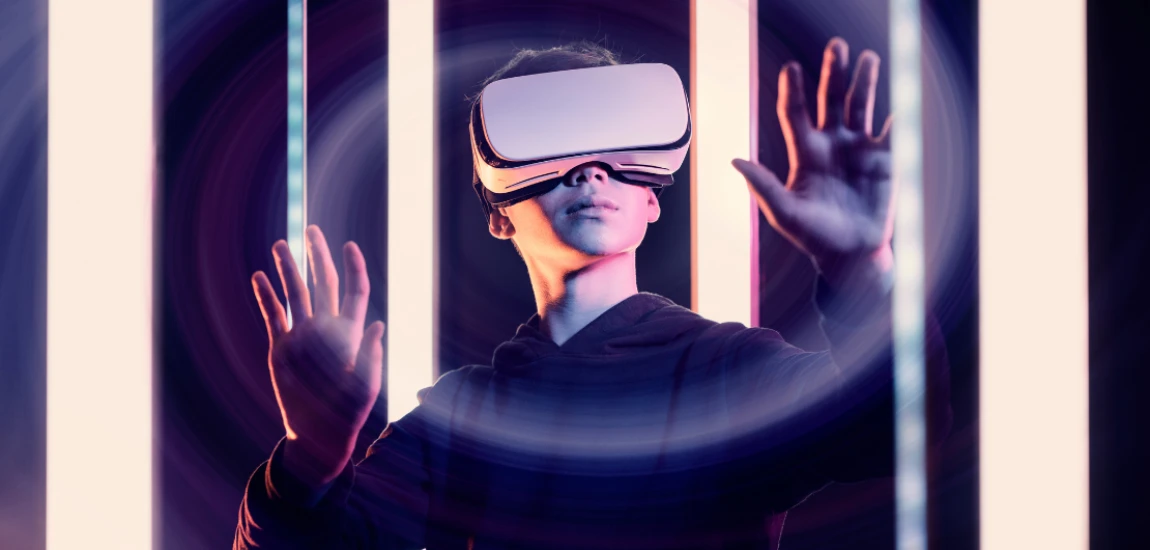
The digital world is entering a new era where physical and virtual environments are merging into unified immersive ecosystems known as the metaverse. This transformation is driven by rapid advancements in artificial intelligence, extended reality (XR), spatial computing, cloud infrastructure, and real-time rendering technologies. Traditional digital platforms such as video conferencing tools, social media applications, and remote collaboration software are no longer sufficient to meet the growing demand for immersive, interactive, and highly intelligent digital experiences. This is where intelligent metaverse computing systems and immersive virtual collaboration frameworks come into play. These advanced systems enable users to interact in fully simulated 3D environments where communication, collaboration, and productivity feel natural and lifelike. Powered by AI-driven avatars, spatial awareness engines, real-time data processing, and decentralized computing architectures, the metaverse is evolving into a dynamic digital universe that supports education, business operations, healthcare simulations, entertainment, and industrial design. Unlike conventional digital tools, metaverse systems are adaptive, context-aware, and capable of learning from user behavior to enhance interaction quality. As organizations increasingly adopt remote and hybrid work models, immersive virtual collaboration frameworks are becoming essential for enabling seamless communication and productivity across global teams.
Understanding Intelligent Metaverse Computing Systems

Evolution of Metaverse Technologies
The concept of the metaverse has evolved significantly from early virtual worlds and gaming environments into a complex, interconnected digital ecosystem. Initially, virtual environments were limited to basic 3D simulations used primarily for entertainment and gaming purposes. These early systems lacked intelligence, scalability, and real-time interactivity.
With the advancement of artificial intelligence, cloud computing, and extended reality technologies, virtual environments became more sophisticated and interactive. The introduction of VR (Virtual Reality), AR (Augmented Reality), and MR (Mixed Reality) technologies enabled users to experience immersive digital spaces with enhanced realism.
Today, intelligent metaverse computing systems integrate AI, machine learning, blockchain, edge computing, and real-time spatial mapping to create highly dynamic virtual environments. These systems are no longer static simulations but intelligent ecosystems capable of adapting to user behavior and environmental changes.
Modern metaverse platforms are now being used across industries such as education, healthcare, architecture, engineering, and enterprise collaboration.
Core Components of Intelligent Metaverse Systems
Intelligent metaverse computing systems are built on multiple advanced technological layers that work together to create immersive digital environments. Artificial intelligence serves as the central intelligence layer, enabling real-time decision-making, behavior prediction, and adaptive interactions.
Spatial computing technologies allow systems to understand and interact with physical spaces in real time. This includes object recognition, motion tracking, and environmental mapping.
Cloud computing and distributed networks provide the computational power required to render complex virtual environments and support large-scale user interactions.
Blockchain technology ensures secure identity management, digital ownership, and decentralized transactions within metaverse ecosystems.
Together, these components create a seamless, intelligent, and interactive virtual universe capable of supporting complex human and machine interactions.
Importance of Intelligent Virtual Environments
Intelligent metaverse systems are important because they redefine how humans interact with digital environments. Unlike traditional interfaces, metaverse platforms offer immersive, three-dimensional experiences that closely resemble real-world interactions.
These systems enhance communication, collaboration, and productivity by providing realistic virtual spaces where users can interact naturally. They also enable global connectivity without physical limitations, making remote collaboration more efficient and engaging.
In addition, intelligent metaverse systems support innovation in industries such as education, healthcare, and design by enabling realistic simulations and training environments.
Immersive Virtual Collaboration Frameworks

Structure of Virtual Collaboration Systems
Immersive virtual collaboration frameworks are designed to enable real-time interaction between users in shared digital environments. These systems use 3D spatial interfaces, AI-powered avatars, and real-time communication tools to simulate physical presence in virtual spaces.
Unlike traditional video conferencing tools, virtual collaboration frameworks allow users to interact with objects, move within environments, and communicate using spatial audio and gestures.
These systems integrate cloud-based infrastructure, XR technologies, and AI-driven communication engines to support seamless collaboration across distributed teams.
Virtual collaboration frameworks are widely used in corporate meetings, remote training sessions, product design, and global teamwork scenarios.
AI-Powered Avatars and Digital Identity
AI-powered avatars are a key component of immersive collaboration systems. These digital representations of users are capable of mimicking facial expressions, body movements, and voice patterns in real time.
Machine learning algorithms analyze user behavior to create personalized and adaptive avatars that enhance communication realism.
Digital identity systems ensure secure authentication and identity verification within metaverse environments. Blockchain technology is often used to manage digital identities and prevent unauthorized access.
These technologies make virtual interactions more natural and secure.
Real-Time Communication and Interaction
Real-time communication is essential for effective virtual collaboration. Immersive frameworks use spatial audio, gesture recognition, and haptic feedback to simulate real-world communication experiences.
AI-driven systems optimize communication flow by reducing latency, enhancing audio clarity, and synchronizing user interactions.
These technologies enable seamless teamwork across geographical boundaries, making global collaboration more efficient and interactive.
Artificial Intelligence in Metaverse Systems

Intelligent Environment Adaptation
Artificial intelligence plays a central role in making metaverse environments dynamic and adaptive. AI systems analyze user behavior, preferences, and interactions to modify virtual environments in real time.
For example, virtual meeting spaces can adjust lighting, seating arrangements, and visual elements based on user needs.
This adaptive capability enhances user experience and engagement within virtual environments.
Predictive User Behavior Modeling
Machine learning algorithms are used to predict user behavior and optimize interactions within metaverse systems. These models analyze past interactions to anticipate user actions and preferences.
Predictive modeling helps improve navigation, content recommendations, and collaboration efficiency within virtual environments.
It also enables personalized experiences tailored to individual users or teams.
Natural Language Processing in Virtual Spaces
Natural language processing (NLP) enables users to interact with metaverse systems using voice commands and conversational interfaces.
AI-powered chatbots and virtual assistants assist users in navigating environments, scheduling meetings, and accessing information.
NLP enhances accessibility and usability in immersive digital ecosystems.
Applications of Intelligent Metaverse Systems

Enterprise Collaboration and Remote Work
One of the most significant applications of metaverse systems is in enterprise collaboration. Companies are using immersive virtual environments for meetings, project management, and remote teamwork.
These systems provide more engaging and interactive alternatives to traditional video conferencing platforms.
Employees can collaborate in shared virtual workspaces, improving productivity and communication efficiency.
Education and Virtual Learning Environments
Metaverse technologies are transforming education by creating immersive learning environments. Students can participate in virtual classrooms, simulations, and interactive training sessions.
AI-powered systems personalize learning experiences based on student performance and engagement levels.
This enhances knowledge retention and makes learning more interactive and effective.
Healthcare and Medical Simulation
In healthcare, metaverse systems are used for surgical training, medical simulations, and patient care planning.
Doctors and medical students can practice procedures in realistic virtual environments without risk.
AI-driven simulations improve accuracy and training outcomes in medical education.


Shivya Nath authors "The Shooting Star," a blog that covers responsible and off-the-beaten-path travel. She writes about sustainable tourism and community-based experiences.
Shivya Nath
Prev Post
Next Post