
AI-Powered Traffic Intelligence Systems and Urban Mobility Optimization Networks
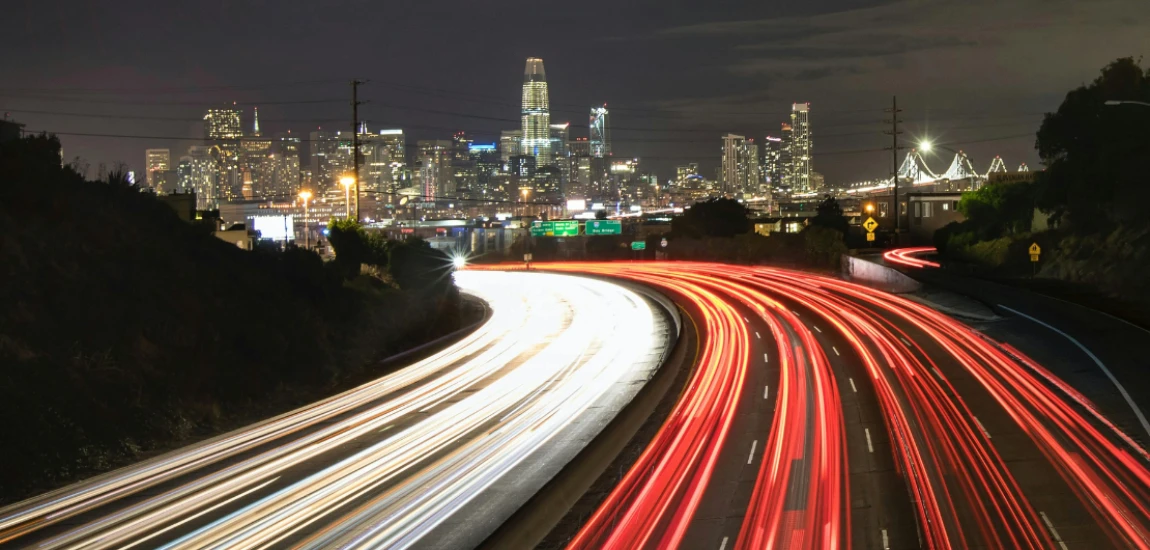
Urban transportation systems are becoming increasingly complex as global populations continue growing and cities expand rapidly. Traffic congestion, road accidents, environmental pollution, and inefficient public transportation networks create major challenges for governments and urban planners worldwide. AI-powered traffic intelligence systems and urban mobility optimization networks are emerging as advanced technological solutions designed to improve transportation efficiency, reduce congestion, and create smarter mobility ecosystems. These intelligent systems combine artificial intelligence, machine learning, IoT sensors, computer vision, predictive analytics, and real-time data processing to monitor and optimize urban traffic operations dynamically. From adaptive traffic signals and autonomous vehicle coordination to smart parking systems and predictive congestion management, AI-driven transportation technologies are reshaping the future of urban mobility and smart city infrastructure worldwide.
Understanding AI-Powered Traffic Intelligence Systems

Evolution of Smart Transportation Technologies
Transportation systems have evolved significantly over the past century, transitioning from manually controlled road networks to highly connected digital mobility ecosystems. Traditional traffic management relied heavily on static traffic signals, manual monitoring, and reactive planning methods that often struggled to adapt to changing traffic conditions.
The rise of artificial intelligence and smart city technologies has transformed transportation infrastructure into intelligent systems capable of analyzing and responding to traffic conditions in real time. AI-powered traffic intelligence systems use interconnected sensors, cameras, machine learning algorithms, and predictive analytics to optimize traffic flow dynamically.
Unlike traditional transportation management systems, intelligent traffic frameworks continuously collect and analyze traffic data to identify congestion patterns, accidents, and mobility inefficiencies instantly.
As urban populations continue increasing globally, smart transportation technologies are becoming essential for maintaining efficient and sustainable city mobility.
Core Components of Traffic Intelligence Architectures
AI-driven traffic management systems rely on multiple advanced technologies working together to create intelligent urban mobility ecosystems. IoT-enabled sensors and surveillance cameras continuously monitor vehicle movement, pedestrian activity, traffic density, and environmental conditions across city road networks.
Machine learning algorithms analyze real-time transportation data to predict congestion patterns, optimize traffic signal timing, and improve route planning. Computer vision systems further enhance traffic monitoring by detecting accidents, traffic violations, and abnormal driving behavior automatically.
Cloud computing infrastructure supports large-scale transportation data processing and centralized traffic management operations. Edge computing technologies improve response times by enabling local processing of critical traffic information.
Connected vehicle technologies and vehicle-to-infrastructure communication systems further improve coordination between transportation networks and autonomous mobility platforms.
Together, these technologies create highly adaptive traffic intelligence systems capable of improving urban transportation efficiency significantly.
Importance of Intelligent Urban Mobility
Efficient urban mobility is essential for economic productivity, environmental sustainability, and public safety. Traffic congestion causes significant financial losses, fuel waste, increased pollution, and reduced quality of life in major cities worldwide.
AI-powered traffic intelligence systems improve transportation efficiency by reducing travel times, optimizing road usage, and minimizing traffic bottlenecks. Intelligent mobility frameworks also improve emergency response coordination and enhance public transportation reliability.
Smart transportation systems contribute to sustainability goals by reducing fuel consumption and lowering greenhouse gas emissions associated with urban congestion.
As cities continue evolving into interconnected smart ecosystems, intelligent urban mobility solutions will become increasingly important for future urban development.
Real-Time Traffic Monitoring and Predictive Analytics

AI-Based Traffic Surveillance Systems
Real-time traffic surveillance is one of the most important functions of intelligent transportation systems. AI-powered cameras and IoT sensors continuously monitor road activity and collect detailed transportation data across urban environments.
Computer vision technologies analyze vehicle speed, lane occupancy, traffic density, and pedestrian movement to identify abnormal conditions instantly. AI systems can detect accidents, stalled vehicles, traffic violations, and road hazards much faster than traditional monitoring methods.
Real-time surveillance improves traffic management efficiency by enabling immediate responses to incidents and congestion problems. Transportation authorities can deploy emergency services more effectively and minimize traffic disruptions quickly.
These intelligent surveillance systems are significantly improving road safety and operational visibility across modern smart cities.
Predictive Traffic Congestion Analysis
Traffic congestion is one of the biggest challenges facing urban transportation systems. AI-driven predictive analytics platforms analyze historical traffic patterns, weather conditions, public events, road construction data, and real-time traffic activity to forecast congestion before it occurs.
Machine learning models continuously learn from traffic behavior and improve prediction accuracy over time. Transportation authorities use predictive insights to optimize traffic signals, recommend alternative routes, and adjust public transportation schedules proactively.
Predictive congestion analysis helps reduce travel delays, fuel waste, and environmental pollution while improving commuter experiences.
As urban traffic complexity increases, predictive analytics technologies are becoming essential for efficient transportation planning and mobility optimization.
Dynamic Traffic Signal Optimization
Traditional traffic signals often operate using fixed timing schedules that fail to adapt to changing traffic conditions effectively. AI-powered traffic signal systems dynamically adjust signal timing based on real-time traffic flow and road occupancy data.
Intelligent traffic lights prioritize congested intersections, emergency vehicles, and public transportation routes automatically to improve overall traffic efficiency.
Machine learning algorithms continuously optimize traffic patterns by analyzing intersection performance and adapting signal coordination strategies accordingly.
Dynamic signal optimization significantly reduces traffic delays and improves vehicle movement across busy urban road networks.
Smart signal management systems are becoming central components of intelligent urban mobility architectures worldwide.
Autonomous Mobility and Connected Transportation Networks

Autonomous Vehicle Integration
Autonomous vehicles are expected to play a major role in future urban transportation ecosystems. AI-powered traffic intelligence systems help coordinate self-driving vehicles with existing transportation infrastructure to improve road safety and mobility efficiency.
Connected traffic management frameworks enable autonomous vehicles to communicate with traffic signals, road sensors, and other vehicles in real time. This coordination improves navigation accuracy and reduces the risk of collisions and congestion.
AI-driven mobility systems can also optimize autonomous fleet operations for ride-sharing services, logistics companies, and public transportation networks.
As autonomous driving technologies continue advancing, intelligent traffic infrastructure will become increasingly essential for safe and efficient deployment.
Vehicle-to-Infrastructure Communication
Vehicle-to-infrastructure communication technologies allow vehicles to exchange data with traffic management systems, road sensors, and transportation networks continuously.
These communication frameworks provide drivers and autonomous systems with real-time information regarding traffic conditions, accidents, weather hazards, and road closures.
AI-powered infrastructure coordination improves traffic flow and enables more efficient route optimization for connected vehicles.
Vehicle-to-infrastructure systems also support intelligent toll collection, parking management, and emergency response coordination across urban transportation networks.
The expansion of connected transportation ecosystems is transforming the future of smart mobility worldwide.
Smart Public Transportation Systems
Public transportation plays a critical role in reducing urban congestion and supporting sustainable mobility. AI-powered transportation intelligence systems improve bus, train, and metro operations through predictive scheduling and real-time passenger analytics.
Machine learning algorithms analyze commuter demand patterns and traffic conditions to optimize transit routes and reduce delays. Smart ticketing systems and mobile applications further improve passenger convenience and operational efficiency.
AI-driven public transportation management enhances service reliability while reducing operational costs and overcrowding.
As urban populations continue growing, intelligent public transportation systems will become increasingly important for maintaining efficient city mobility.
Smart Parking and Urban Mobility Optimization

Intelligent Parking Management Systems
Parking inefficiency contributes significantly to urban congestion as drivers spend time searching for available parking spaces. AI-powered smart parking systems use sensors, cameras, and real-time analytics to monitor parking occupancy and guide drivers to available spaces efficiently.
Mobile applications and digital navigation systems provide real-time parking availability information and automated payment processing capabilities.
Intelligent parking management reduces traffic congestion, fuel consumption, and commuter frustration while improving overall urban mobility efficiency.
These systems also help cities optimize parking resource allocation and generate valuable transportation planning insights.
Mobility-as-a-Service Platforms
Mobility-as-a-Service platforms integrate multiple transportation services into unified digital ecosystems that simplify urban travel experiences.
AI-powered mobility platforms combine ride-sharing services, public transportation, bike-sharing, electric scooters, and autonomous mobility options into centralized applications.
Predictive analytics technologies optimize route recommendations, pricing models, and transportation scheduling based on real-time traffic conditions and user preferences.
Mobility-as-a-Service frameworks improve transportation accessibility while reducing dependency on private vehicle ownership.
These integrated mobility ecosystems are becoming increasingly important for future smart city development.
Sustainable Urban Transportation Strategies
Environmental sustainability is a major priority for modern transportation planning due to rising pollution levels and climate change concerns.
AI-driven traffic intelligence systems support sustainable mobility by reducing traffic congestion, optimizing fuel efficiency, and improving public transportation adoption.
Smart mobility platforms also encourage the use of electric vehicles, shared transportation services, and low-emission commuting options.
Cities increasingly integrate renewable energy systems, smart charging infrastructure, and environmental monitoring technologies into transportation ecosystems.
Intelligent sustainability strategies help improve urban air quality and reduce carbon emissions associated with transportation activities.


Derek Baron, also known as "Wandering Earl," offers an authentic look at long-term travel. His blog contains travel stories, tips, and the realities of a nomadic lifestyle.
Derek Baron

Prev Post
Next Post