
AI-Enhanced Renewable Energy Systems and Smart Grid Stability Management Architectures
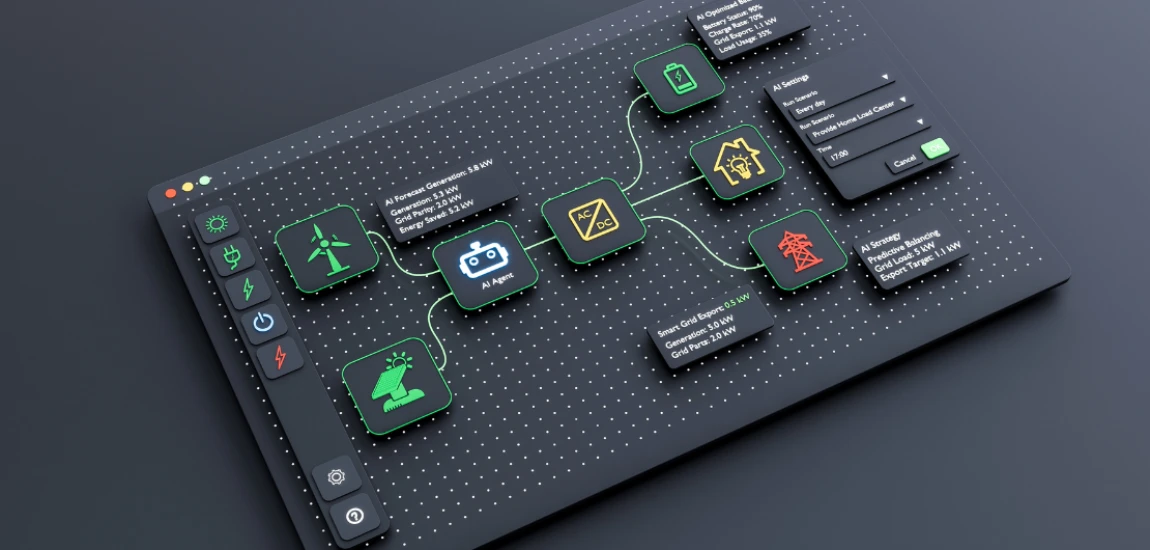
The global energy landscape is undergoing a dramatic transformation driven by the urgent need for sustainability, climate resilience, and efficient resource utilization. Traditional energy systems, which rely heavily on fossil fuels and centralized power generation, are no longer sufficient to meet rising global demand while reducing carbon emissions. As renewable energy sources such as solar, wind, hydro, and geothermal become more widespread, managing their variability and integration into existing power grids has become a major challenge. Unlike conventional energy sources, renewable energy generation is highly dependent on environmental conditions, making it unpredictable and difficult to control. To address these challenges, AI-enhanced renewable energy systems and smart grid stability management architectures have emerged as revolutionary solutions. These systems leverage artificial intelligence, machine learning, big data analytics, IoT sensors, and advanced forecasting models to optimize energy production, distribution, and consumption in real time. Smart grid architectures further enhance system stability by dynamically balancing energy supply and demand across distributed networks. Together, these technologies are enabling a new era of intelligent, efficient, and sustainable energy infrastructure capable of supporting global decarbonization goals and ensuring long-term energy security.
Understanding AI-Enhanced Renewable Energy Systems

Evolution of Renewable Energy Technologies
Renewable energy systems have evolved significantly over the past few decades as the world shifted toward cleaner and more sustainable energy sources. Initially, renewable energy integration was limited due to technological constraints, high costs, and lack of efficient storage systems. Early solar and wind power systems operated independently and were not effectively integrated into national power grids.
With advancements in technology, renewable energy systems became more efficient and cost-effective. However, the biggest challenge remained their intermittent nature, as energy generation depends on environmental conditions such as sunlight and wind speed.
The introduction of artificial intelligence marked a turning point in renewable energy management. AI-enhanced systems now enable predictive forecasting, real-time monitoring, and intelligent optimization of energy production and distribution.
Today, renewable energy systems are no longer isolated power sources but integral components of smart, interconnected energy networks supported by AI-driven intelligence.
Core Components of AI Energy Systems
AI-enhanced renewable energy systems are built on multiple interconnected technologies that work together to optimize energy generation and distribution. Artificial intelligence serves as the central decision-making engine, analyzing real-time data from multiple energy sources.
Machine learning algorithms process historical weather patterns, energy consumption data, and grid performance metrics to predict energy production levels. IoT sensors monitor solar panels, wind turbines, energy storage systems, and transmission lines in real time.
Big data analytics platforms aggregate and process massive datasets from distributed energy networks to provide actionable insights. Cloud computing enables centralized data processing, while edge computing ensures real-time responsiveness at local energy nodes.
Energy management systems integrate these technologies to ensure efficient balancing of energy supply and demand across the grid.
Importance in Modern Energy Infrastructure
AI-enhanced renewable energy systems are essential for modern energy infrastructure because they address the unpredictability and variability of renewable energy sources. Without intelligent management, integrating large-scale renewable energy into existing grids can lead to instability, inefficiency, and power outages.
These systems improve energy forecasting accuracy, reduce operational costs, and enhance grid reliability. They also support environmental sustainability by maximizing the use of clean energy sources and reducing dependency on fossil fuels.
AI-driven energy systems are becoming the foundation of future smart cities and sustainable industrial ecosystems.
Smart Grid Stability Management Architectures

Structure of Smart Grid Systems
Smart grids represent the evolution of traditional power grids into intelligent, automated, and highly responsive energy networks. Unlike conventional grids that operate on a one-way flow of electricity, smart grids enable bidirectional communication between energy producers and consumers.
Smart grid architectures integrate digital communication technologies, IoT devices, AI systems, and automated control mechanisms to manage energy distribution efficiently.
These systems continuously monitor electricity flow, detect anomalies, and adjust distribution in real time to maintain grid stability. Smart grids also support decentralized energy generation, allowing households and businesses to contribute renewable energy back to the grid.
This distributed architecture enhances resilience and flexibility in energy management systems.
Real-Time Load Balancing and Energy Distribution
One of the most critical functions of smart grid systems is real-time load balancing. AI algorithms analyze energy consumption patterns and adjust power distribution dynamically to match supply with demand.
During peak usage periods, smart grids redistribute energy from storage systems or alternative sources to prevent overloads. During low demand periods, excess energy is stored or redirected efficiently.
Machine learning models predict consumption spikes based on historical data, weather conditions, and user behavior patterns.
This intelligent load balancing ensures uninterrupted power supply and prevents grid failures.
Fault Detection and Grid Stability
Smart grids use AI-powered monitoring systems to detect faults, disruptions, and inefficiencies within the energy network. Sensors placed across transmission lines and substations continuously monitor voltage levels, frequency stability, and equipment health.
Machine learning algorithms identify abnormal patterns that may indicate potential failures or system imbalances. Once detected, automated systems initiate corrective actions such as rerouting power or isolating faulty sections.
This proactive approach improves grid stability and reduces downtime significantly.
Artificial Intelligence in Renewable Energy Optimization

Energy Forecasting and Predictive Analytics
AI plays a crucial role in predicting renewable energy generation and consumption patterns. Machine learning models analyze weather data, historical energy production, and environmental conditions to forecast solar and wind energy output.
Accurate forecasting helps energy providers plan distribution strategies, manage storage systems, and reduce energy wastage.
Predictive analytics also support long-term energy planning by identifying trends in renewable energy adoption and demand growth.
These capabilities improve efficiency and reliability in renewable energy systems.
Smart Energy Storage Management
Energy storage systems are essential for balancing supply and demand in renewable energy networks. AI algorithms optimize battery storage by determining when to store excess energy and when to release it back into the grid.
Machine learning models extend battery lifespan by managing charging cycles efficiently. They also ensure optimal energy distribution during peak demand periods.
Smart storage systems enhance grid stability and reduce dependency on non-renewable backup power sources.
AI-Driven Demand Response Systems
Demand response systems adjust energy consumption based on grid conditions and energy availability. AI systems analyze consumer behavior and automatically modify energy usage patterns to prevent grid overloads.
For example, during high demand periods, non-essential energy usage can be reduced automatically in industrial or residential sectors.
This intelligent demand management improves energy efficiency and reduces strain on power grids.
IoT and Data-Driven Energy Networks

Sensor-Based Energy Monitoring Systems
IoT sensors are widely used in renewable energy systems to monitor energy production, consumption, and infrastructure performance. These sensors collect real-time data from solar panels, wind turbines, and transmission networks.
This data is transmitted to AI platforms for analysis and decision-making.
Sensor-based monitoring improves system visibility and operational efficiency across energy networks.
Edge Computing in Smart Energy Systems
Edge computing enhances renewable energy systems by processing data closer to its source. This reduces latency and improves response times in critical energy management operations.
Edge devices analyze local energy data and make immediate decisions without relying on centralized cloud systems.
This improves system reliability and reduces communication delays.
Big Data Integration in Energy Management
Big data analytics plays a crucial role in processing vast amounts of energy-related information generated by smart grids and renewable systems.
AI systems analyze this data to identify inefficiencies, optimize performance, and improve forecasting accuracy.
Big data integration enables more intelligent and scalable energy management solutions.


Gary Arndt operates "Everything Everywhere," a blog focusing on worldwide travel. An award-winning photographer, Gary shares stunning visuals alongside his travel tales.
Gary Arndt

Prev Post

Next Post