
Intelligent Drone Delivery Systems and Real-Time Logistics Coordination Frameworks
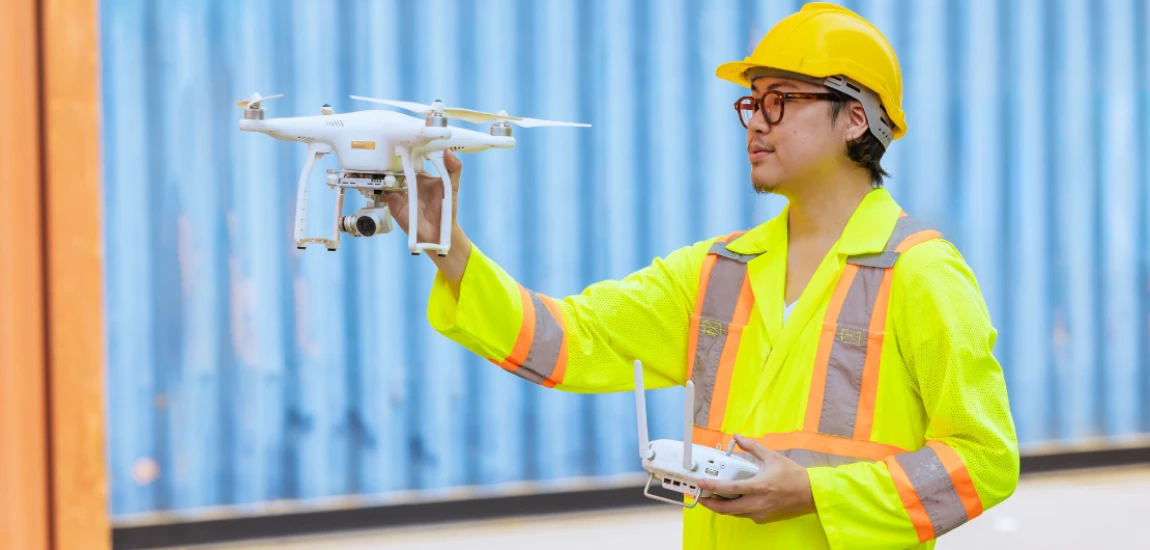
The global logistics and supply chain industry is undergoing a massive transformation driven by artificial intelligence, automation, robotics, and real-time data analytics. Traditional delivery systems often face challenges such as traffic congestion, high fuel costs, delayed shipments, inefficient route planning, and rising customer expectations for faster delivery. As e-commerce continues to grow rapidly, businesses are seeking innovative solutions to enhance delivery speed, efficiency, and reliability. One of the most promising innovations in this space is intelligent drone delivery systems combined with real-time logistics coordination frameworks.
Intelligent drone delivery systems use autonomous aerial vehicles powered by artificial intelligence, GPS navigation, computer vision, and IoT connectivity to transport goods quickly and efficiently. These drones can navigate complex environments, avoid obstacles, and deliver packages directly to customers with minimal human intervention. When integrated with advanced logistics coordination frameworks, drone delivery systems become even more powerful by optimizing routes, managing air traffic, and synchronizing supply chain operations in real time.
Real-time logistics coordination frameworks use AI-driven analytics, cloud computing, and predictive modeling to manage delivery networks dynamically. These systems ensure that packages are dispatched, routed, and delivered in the most efficient way possible by analyzing traffic conditions, weather data, demand patterns, and delivery priorities.
As industries move toward faster and smarter supply chain models, intelligent drone delivery systems are becoming a key component of next-generation logistics ecosystems.
Understanding Intelligent Drone Delivery Systems

Intelligent drone delivery systems are autonomous aerial logistics solutions designed to transport goods using unmanned aerial vehicles (UAVs) powered by artificial intelligence and advanced navigation technologies.
Autonomous Navigation and Flight Control
AI-powered drones are equipped with advanced navigation systems that allow them to operate without direct human control. These systems use GPS, inertial sensors, computer vision, and real-time mapping technologies to determine optimal flight paths.
Machine learning algorithms help drones adapt to changing environmental conditions such as wind speed, obstacles, and no-fly zones. This ensures safe and efficient navigation across urban and rural environments.
Autonomous flight control systems also improve delivery accuracy and reduce the risk of human error in logistics operations.
Obstacle Detection and Collision Avoidance
One of the most important features of intelligent drones is their ability to detect and avoid obstacles in real time. Drones use LiDAR sensors, infrared cameras, and AI-based vision systems to identify buildings, trees, birds, and other aerial objects.
These systems allow drones to make instant navigation adjustments to prevent collisions and ensure safe flight operations.
Advanced obstacle detection improves operational reliability and expands the usability of drone delivery systems in complex environments.
Payload Management and Delivery Precision
Drone delivery systems are designed to handle different types of payloads, including medical supplies, food items, retail packages, and emergency equipment.
AI-based payload management systems ensure balanced weight distribution and energy-efficient flight operations. Delivery precision technologies enable drones to drop packages at exact locations such as homes, offices, or designated delivery zones.
This high level of precision enhances customer satisfaction and delivery efficiency.
Real-Time Logistics Coordination Frameworks

Real-time logistics coordination frameworks are intelligent systems that manage and optimize supply chain operations using live data, predictive analytics, and AI-driven decision-making.
AI-Powered Route Optimization
Route optimization is a critical component of modern logistics systems. AI algorithms analyze traffic conditions, weather patterns, airspace restrictions, and delivery priorities to determine the most efficient delivery routes.
For drone delivery systems, route optimization also includes altitude planning, battery usage efficiency, and obstacle avoidance strategies.
Optimized routing reduces delivery time, energy consumption, and operational costs significantly.
Dynamic Fleet Management Systems
Logistics coordination frameworks manage large fleets of delivery drones in real time. AI-powered fleet management systems track drone locations, battery levels, payload status, and delivery schedules.
These systems assign tasks dynamically based on priority, availability, and operational efficiency.
Dynamic fleet coordination ensures smooth operations even during high-demand periods.
Predictive Demand and Supply Planning
Predictive analytics plays a major role in modern logistics systems. AI models analyze historical order data, customer behavior, seasonal trends, and market demand to forecast future delivery needs.
This allows logistics providers to pre-position drones, optimize inventory distribution, and reduce delivery delays.
Predictive planning improves supply chain efficiency and customer satisfaction.
Core Technologies Behind Drone Logistics Systems

Intelligent drone delivery systems rely on multiple advanced technologies working together to create efficient and autonomous logistics networks.
Artificial Intelligence and Machine Learning
AI and machine learning are the backbone of intelligent logistics systems. These technologies analyze massive datasets to optimize flight paths, predict demand, and improve operational decision-making.
Machine learning models continuously learn from delivery patterns, weather conditions, and drone performance data to enhance system efficiency over time.
AI-driven intelligence ensures that drone delivery systems become more accurate and reliable with continuous use.
Internet of Things and Connected Infrastructure
The Internet of Things connects drones, delivery hubs, warehouses, and logistics platforms into a unified network.
IoT sensors provide real-time data on package status, drone health, environmental conditions, and delivery progress.
Connected infrastructure enables seamless communication and coordination across the entire logistics ecosystem.
Cloud Computing and Edge Processing
Cloud computing platforms store and process large volumes of logistics data, enabling centralized control and analytics.
Edge computing processes data closer to drones and delivery points, reducing latency and improving real-time decision-making.
This combination ensures fast, efficient, and scalable logistics operations.
Benefits of Intelligent Drone Delivery Systems

Intelligent drone delivery systems offer significant advantages for businesses, consumers, and logistics providers.
Faster and More Efficient Deliveries
One of the most important benefits of drone delivery systems is speed. Drones can bypass traffic congestion and deliver packages directly through optimized aerial routes.
This significantly reduces delivery times compared to traditional ground transportation.
Faster deliveries improve customer satisfaction and enhance business competitiveness.
Reduced Operational Costs
Drone delivery systems reduce fuel consumption, labor costs, and vehicle maintenance expenses.
Automated logistics operations also minimize human intervention, lowering overall operational costs.
Cost savings allow businesses to invest in innovation and service expansion.
Environmentally Friendly Logistics
Electric-powered drones produce lower carbon emissions compared to traditional delivery vehicles.
AI-based route optimization further reduces energy consumption and environmental impact.
Sustainable logistics solutions contribute to greener and more eco-friendly supply chains.


Kate McCulley, the voice behind "Adventurous Kate," provides travel advice tailored for women. Her blog encourages safe and adventurous travel for female readers.
Kate McCulley

Prev Post
Next Post