
Extended Reality Collaboration Ecosystems and Immersive Human-Machine Interaction Platforms
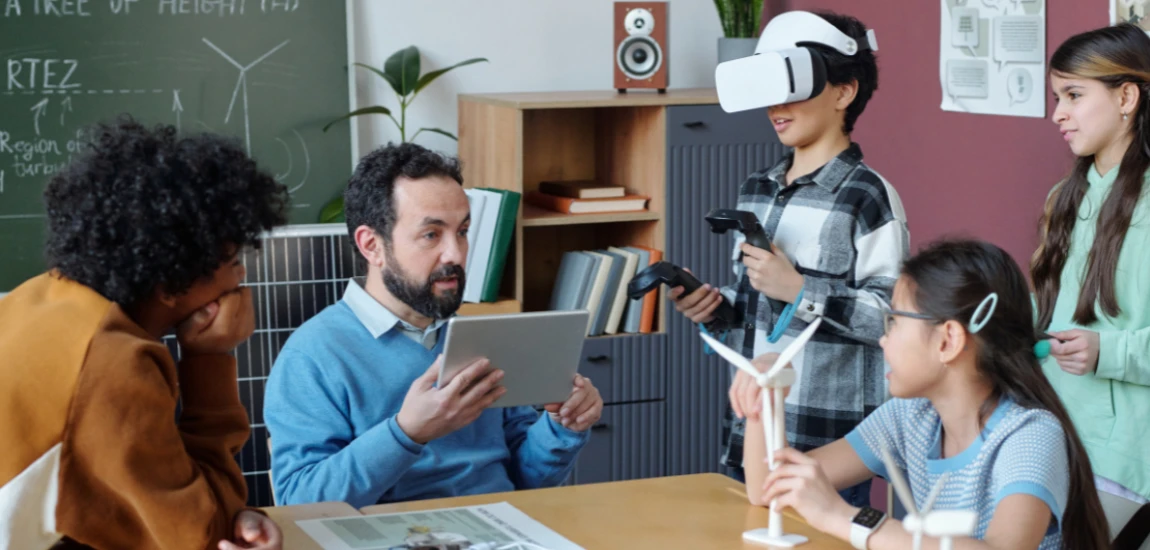
The convergence of digital technologies is creating entirely new ways for humans to interact with machines, data, and one another. Traditional interfaces such as keyboards, touchscreens, and mobile applications are gradually evolving into immersive environments where physical and digital realities blend seamlessly. At the center of this transformation are Extended Reality Collaboration Ecosystems (XR Ecosystems), which combine Virtual Reality (VR), Augmented Reality (AR), Mixed Reality (MR), Artificial Intelligence (AI), cloud computing, digital twins, and advanced networking technologies to create highly interactive collaboration environments.
Extended reality is no longer limited to gaming and entertainment. Businesses, healthcare institutions, educational organizations, manufacturing facilities, and government agencies are increasingly deploying immersive technologies to improve communication, productivity, training, and decision-making. XR collaboration ecosystems allow users from different locations to interact in shared virtual spaces, manipulate digital objects, access real-time data, and collaborate as if they were physically present in the same environment.
At the same time, immersive human-machine interaction platforms are transforming how people engage with intelligent systems. Instead of relying on traditional screens and interfaces, users can communicate with AI-driven environments through gestures, voice commands, eye tracking, spatial computing, and digital avatars. This creates more intuitive and natural interactions that enhance efficiency and user experiences.
As technology continues advancing, extended reality collaboration ecosystems are expected to become a fundamental component of future workplaces, smart cities, healthcare systems, and digital economies. Their evolution represents a major step toward creating truly intelligent and immersive digital environments.
Understanding Extended Reality Collaboration Ecosystems

The Foundation of Extended Reality
Extended Reality serves as an umbrella term encompassing virtual reality, augmented reality, and mixed reality technologies. Each of these technologies contributes unique capabilities to immersive collaboration ecosystems. Virtual reality creates entirely digital environments, augmented reality overlays digital information onto physical spaces, and mixed reality enables virtual and physical objects to interact dynamically.
When combined, these technologies create highly engaging environments where users can collaborate, learn, and interact in ways that were previously impossible. XR systems provide a sense of presence that traditional communication platforms cannot replicate, making remote collaboration more effective and engaging.
The evolution of XR is driven by advances in computing power, graphics rendering, sensor technologies, and connectivity infrastructure. As these technologies mature, immersive environments are becoming increasingly realistic and accessible.
Components of XR Collaboration Ecosystems
Modern XR ecosystems rely on a combination of hardware and software technologies. Head-mounted displays, smart glasses, haptic devices, motion sensors, spatial mapping systems, and cloud-based collaboration platforms work together to create immersive experiences.
Artificial intelligence enhances these ecosystems by enabling intelligent interactions, adaptive environments, and personalized user experiences. Real-time communication technologies ensure seamless collaboration among participants regardless of their physical locations.
This integrated approach transforms XR from a standalone technology into a comprehensive digital collaboration framework.
Why XR Ecosystems Matter
Organizations face growing demands for remote work, global collaboration, and digital transformation. XR collaboration ecosystems address these challenges by creating shared virtual environments that support effective teamwork, innovation, and knowledge sharing.
Their ability to bridge geographical barriers makes them increasingly valuable in today's interconnected world.
Immersive Human-Machine Interaction Platforms

Moving Beyond Traditional Interfaces
Traditional human-computer interaction relies heavily on screens, keyboards, and touch-based inputs. While effective, these interfaces create barriers between users and digital information. Immersive human-machine interaction platforms eliminate many of these barriers by enabling more natural forms of communication.
Users can interact with digital systems through voice commands, hand gestures, eye movements, body tracking, and spatial interactions. This creates a more intuitive relationship between humans and technology, reducing complexity and improving accessibility.
Natural interaction models are becoming increasingly important as digital systems grow more sophisticated.
AI-Powered Intelligent Environments
Artificial intelligence plays a central role in immersive interaction platforms. AI systems interpret user behaviors, anticipate needs, and adapt digital environments dynamically. Virtual assistants, intelligent avatars, and contextual recommendation systems enhance user experiences by providing personalized support.
Machine learning algorithms continuously improve interactions by learning from user preferences and behaviors. This adaptability allows platforms to become more effective over time.
The integration of AI transforms immersive environments into intelligent digital ecosystems capable of supporting complex tasks and decision-making processes.
Creating Human-Centered Experiences
Successful XR platforms prioritize user comfort, accessibility, and engagement. Designers focus on creating intuitive experiences that minimize cognitive load while maximizing productivity.
Human-centered design principles ensure that immersive technologies enhance rather than complicate interactions. This approach is essential for widespread adoption across industries and user groups.
Business Collaboration and the Future of Work

Virtual Workspaces and Remote Teams
The rise of remote and hybrid work models has accelerated interest in immersive collaboration technologies. XR ecosystems enable employees to meet, collaborate, and innovate within shared virtual environments regardless of physical location.
Virtual workspaces replicate many aspects of in-person collaboration, including spatial awareness, nonverbal communication, and interactive problem-solving. These capabilities improve engagement and teamwork compared to traditional video conferencing platforms.
As organizations embrace distributed workforces, immersive collaboration tools will become increasingly valuable.
Enhancing Productivity Through Spatial Computing
Spatial computing enables users to interact with digital content in three-dimensional environments. Instead of viewing information on flat screens, individuals can manipulate data, models, and visualizations within immersive spaces.
This capability enhances understanding, creativity, and decision-making. Complex projects involving engineering, architecture, product development, and data analysis particularly benefit from spatial interaction technologies.
The ability to visualize information naturally improves collaboration outcomes.
Supporting Global Innovation Networks
Extended reality collaboration ecosystems facilitate international cooperation by removing geographical barriers. Teams can collaborate across continents while sharing digital assets and real-time information seamlessly.
This connectivity supports innovation by enabling organizations to access diverse expertise and perspectives from around the world.
Applications in Education, Training, and Healthcare

Transforming Learning Experiences
Education is one of the sectors experiencing significant benefits from XR technologies. Immersive learning environments allow students to explore complex concepts through interactive experiences rather than passive observation.
Virtual laboratories, historical simulations, and scientific visualizations improve engagement and knowledge retention. Personalized learning environments can adapt to individual needs and learning styles.
These capabilities create more effective educational experiences.
Advanced Workforce Training
Training programs often involve significant costs and logistical challenges. XR ecosystems provide realistic simulations that allow employees to practice skills safely and repeatedly.
Industries such as aviation, healthcare, manufacturing, and emergency response use immersive training platforms to improve preparedness and performance.
Hands-on learning within virtual environments enhances competency while reducing risks.
Revolutionizing Healthcare Services
Healthcare providers use XR technologies for medical education, surgical planning, rehabilitation, and patient care. Surgeons can visualize complex procedures in three dimensions, while patients benefit from immersive therapeutic interventions.
Collaborative healthcare environments also improve communication among medical professionals, supporting better treatment outcomes.


Ben Schlappig runs "One Mile at a Time," focusing on aviation and frequent flying. He offers insights on maximizing travel points, airline reviews, and industry news.
Ben Schlappig
Prev Post

Next Post