
Distributed Conscious AI Networks and Collective Machine Awareness: The Next Frontier of Intelligence
Artificial intelligence is rapidly evolving from isolated systems into interconnected, collaborative networks capable of sharing knowledge, learning collectively, and making coordinated decisions. At the forefront of this evolution lies the concept of distributed conscious AI networks and collective machine awareness—a paradigm that redefines how machines think, interact, and operate.
Unlike traditional AI systems that function independently, distributed AI networks consist of multiple intelligent agents working together across decentralized environments. These agents communicate, share insights, and adapt collectively, creating a form of machine awareness that resembles collective intelligence found in nature, such as ant colonies or human social systems.
Collective machine awareness refers to the ability of these networks to maintain a shared understanding of their environment, goals, and internal states. This enables more efficient problem-solving, enhanced adaptability, and improved resilience. From autonomous vehicles to smart cities and global data systems, the applications of this technology are vast and transformative.
In this blog, we will explore the foundations, architecture, design principles, applications, challenges, and future trends of distributed conscious AI networks. Understanding these systems is key to unlocking the next generation of intelligent technologies.
Understanding Distributed Conscious AI Networks

Concept and Definition
Distributed conscious AI networks are systems composed of multiple AI agents that operate across decentralized environments while maintaining a shared sense of awareness. Each agent functions independently but contributes to a collective intelligence through continuous communication and data exchange.
These networks are designed to mimic aspects of human and biological consciousness, particularly the ability to process information collaboratively and adapt to changing conditions. Instead of relying on a central controller, intelligence emerges from the interactions between agents.
This decentralized approach enhances scalability and resilience. If one node fails, the system can continue functioning, making it more robust than centralized AI systems.
Evolution from Centralized AI Systems
Traditional AI systems are typically centralized, with a single model or server handling data processing and decision-making. While effective for specific tasks, these systems face limitations in scalability, flexibility, and fault tolerance.
The shift to distributed AI networks addresses these challenges by distributing computation and decision-making across multiple nodes. Advances in cloud computing, edge computing, and networking technologies have made this transition possible.
This evolution reflects a broader trend toward decentralization in technology, enabling more efficient and adaptable systems.
Importance of Collective Intelligence
Collective intelligence is the foundation of distributed conscious AI networks. By combining the knowledge and capabilities of multiple agents, these systems can solve complex problems more effectively than individual AI models.
This approach allows for parallel processing, faster learning, and improved decision-making. It also enables systems to adapt to new situations by leveraging shared knowledge.
Core Components of Collective Machine Awareness

Multi-Agent Systems
Multi-agent systems are the building blocks of distributed AI networks. Each agent is an autonomous entity capable of perceiving its environment, making decisions, and interacting with other agents.
These agents collaborate to achieve common goals, sharing information and coordinating actions. This collaboration enables the system to function as a cohesive unit.
The design of multi-agent systems is critical for ensuring efficient communication and coordination.
Shared Knowledge and Data Exchange
Collective machine awareness relies on the continuous exchange of information between agents. This includes sharing data, insights, and updates about the environment.
Knowledge representation techniques, such as knowledge graphs, play a key role in structuring and organizing this information.
By maintaining a shared knowledge base, the system can ensure consistency and coherence across all agents.
Real-Time Synchronization
Real-time synchronization ensures that all agents have access to up-to-date information. This is essential for maintaining a unified understanding of the environment.
Technologies such as edge computing and distributed databases enable fast and efficient data synchronization.
This capability allows the system to respond quickly to changes and make informed decisions.
Architecture of Distributed AI Networks

Decentralized Network Design
The architecture of distributed AI networks is based on decentralization. Instead of a central hub, nodes are interconnected in a network where each can communicate with others.
This design improves fault tolerance and scalability, as the system does not rely on a single point of failure.
Decentralization also enables greater flexibility in system design and deployment.
Communication Protocols and Coordination
Effective communication is essential for coordination between agents. Distributed AI networks use specialized protocols to ensure reliable and efficient data exchange.
These protocols define how agents interact, share information, and resolve conflicts.
Coordination mechanisms, such as consensus algorithms, ensure that the system operates harmoniously.
Integration with Edge and Cloud Computing
Distributed AI networks often combine edge and cloud computing to optimize performance. Edge computing enables local data processing, reducing latency and improving responsiveness.
Cloud computing provides additional processing power and storage for large-scale operations.
This hybrid approach ensures that the system can handle diverse workloads efficiently.
Applications Across Industries

Autonomous Transportation Systems
Distributed AI networks enable coordination between autonomous vehicles, improving traffic flow and safety. Vehicles can share information about road conditions, traffic patterns, and hazards.
This collective awareness allows for more efficient and safer transportation systems.
Smart Cities and Urban Management
In smart cities, distributed AI networks manage infrastructure, utilities, and public services. These systems optimize resource usage and improve urban living conditions.
Collective machine awareness enables real-time monitoring and decision-making across the city.
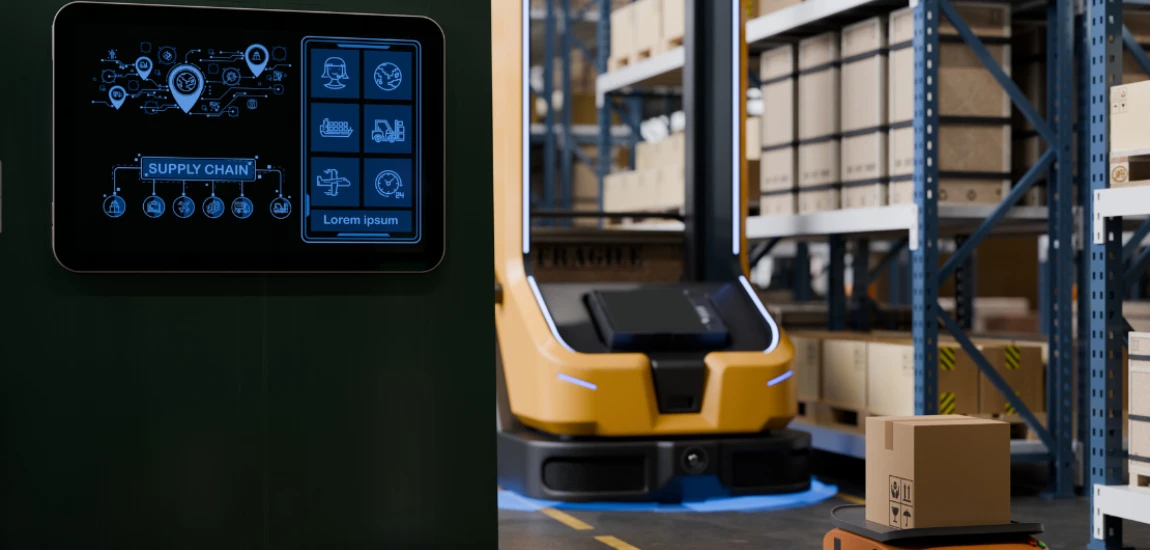
Industrial Automation and Robotics
In manufacturing, distributed AI networks coordinate robots and machines to optimize production processes. This improves efficiency, reduces downtime, and enhances product quality.
These systems can adapt to changes in demand and production requirements.


Anil Polat, behind the blog "FoxNomad," combines technology and travel. A computer security engineer by profession, he focuses on the tech aspects of travel.
Anil Polat

Prev Post

Next Post