
Cybersecurity Intelligence Systems: Strengthening Real-Time Threat Detection Architectures
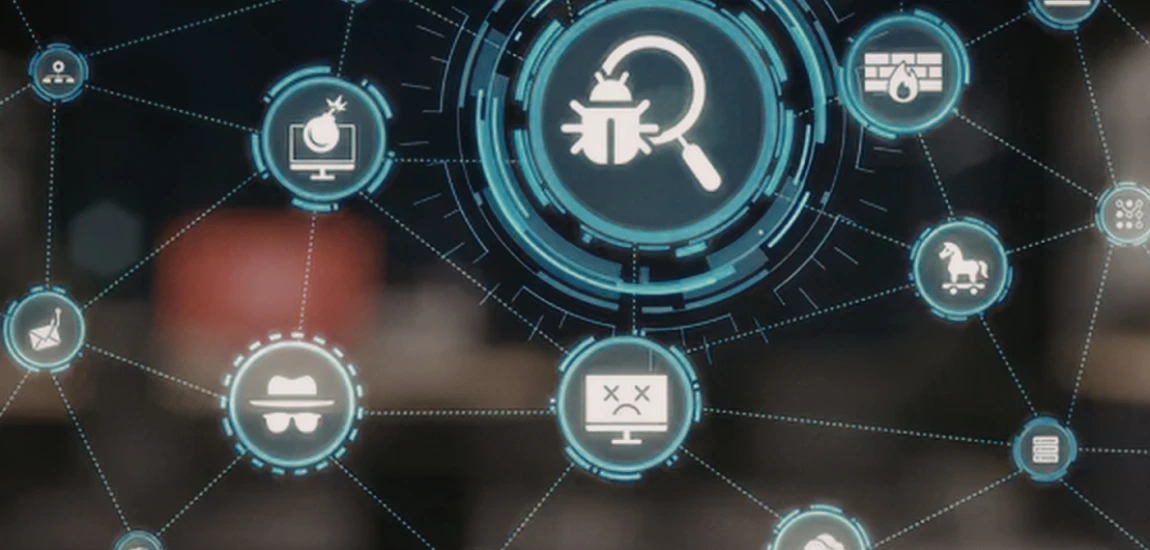
Cybersecurity intelligence systems are becoming essential in today’s digitally connected world, where cyber threats are growing in complexity, frequency, and sophistication. Traditional security approaches often rely on reactive measures that respond to attacks after they occur. However, modern real-time threat detection architectures powered by artificial intelligence, machine learning, and advanced analytics enable organizations to detect, analyze, and neutralize threats before they cause significant damage. These systems continuously monitor network activity, identify anomalies, and provide actionable insights to security teams. As businesses increasingly rely on cloud computing, IoT devices, and remote work environments, the need for intelligent cybersecurity frameworks has never been greater. By integrating automation and real-time intelligence, organizations can build resilient digital infrastructures capable of defending against evolving cyber threats.
Understanding Cybersecurity Intelligence Systems

What Are Cybersecurity Intelligence Systems?
Cybersecurity intelligence systems are advanced platforms designed to collect, analyze, and interpret data related to potential cyber threats. These systems use artificial intelligence and machine learning to identify suspicious activities and provide early warnings.
Unlike traditional security tools that rely on predefined rules, cybersecurity intelligence systems adapt to new threats by learning from data patterns. This makes them highly effective in detecting unknown and emerging cyberattacks.
Evolution of Cyber Threat Detection
Cyber threat detection has evolved significantly over the years. Early systems focused on signature-based detection, which could only identify known threats. However, modern cyberattacks are more complex and dynamic.
Today’s systems use behavioral analysis and predictive modeling to detect anomalies in real time. This evolution has greatly improved the accuracy and speed of threat detection.
Importance of Proactive Security Measures
Proactive cybersecurity is essential in preventing data breaches and system compromises. By identifying threats before they escalate, organizations can reduce damage and maintain operational continuity.
Cybersecurity intelligence systems enable proactive defense strategies, helping organizations stay ahead of attackers.
Core Components of Real-Time Threat Detection Architectures

Data Collection and Network Monitoring
Data collection is the foundation of cybersecurity intelligence systems. These systems gather information from various sources, including network traffic, endpoints, and cloud environments.
Continuous monitoring ensures that all activities are tracked in real time, allowing for immediate detection of suspicious behavior.
Artificial Intelligence and Machine Learning
AI and machine learning algorithms analyze vast amounts of data to identify patterns and anomalies. These technologies enable systems to detect previously unknown threats.
Machine learning models improve over time, enhancing the system’s ability to recognize complex attack patterns.
Security Information and Event Management (SIEM)
SIEM systems play a crucial role in threat detection by aggregating and analyzing security data from multiple sources. They provide a centralized view of security events.
This allows security teams to respond quickly and efficiently to potential threats.
Benefits of Cybersecurity Intelligence Systems

Real-Time Threat Detection and Response
One of the key benefits of cybersecurity intelligence systems is their ability to detect threats in real time. This enables immediate response to potential attacks.
Quick detection reduces the impact of cyber incidents and helps prevent data loss.
Enhanced Visibility and Situational Awareness
These systems provide comprehensive visibility into network activities. Security teams can monitor all endpoints and detect unusual behavior.
Improved situational awareness allows for better decision-making and faster response times.
Reduced Risk and Improved Security Posture
By continuously monitoring and analyzing data, cybersecurity intelligence systems reduce the overall risk of cyberattacks.
Organizations can strengthen their security posture and protect sensitive information more effectively.
Applications of Real-Time Threat Detection Systems

Enterprise Network Security
In enterprise environments, cybersecurity intelligence systems are used to protect corporate networks from external and internal threats. They monitor traffic and detect unauthorized access attempts.
This helps organizations safeguard sensitive business data and maintain operational integrity.
Cloud Security and Data Protection
With the increasing adoption of cloud services, securing cloud environments has become critical. Cybersecurity systems monitor cloud infrastructure for vulnerabilities and threats.
They ensure that data stored in the cloud remains secure and protected from cyberattacks.
Financial and Banking Systems
The financial sector relies heavily on cybersecurity intelligence systems to prevent fraud and protect customer data. These systems detect suspicious transactions and unauthorized access attempts.
This enhances trust and ensures compliance with regulatory requirements.


Derek Baron, also known as "Wandering Earl," offers an authentic look at long-term travel. His blog contains travel stories, tips, and the realities of a nomadic lifestyle.
Derek Baron

Prev Post

Next Post