
AI-Powered Healthcare Intelligence Systems: Revolutionizing Smart Disease Diagnosis Platforms
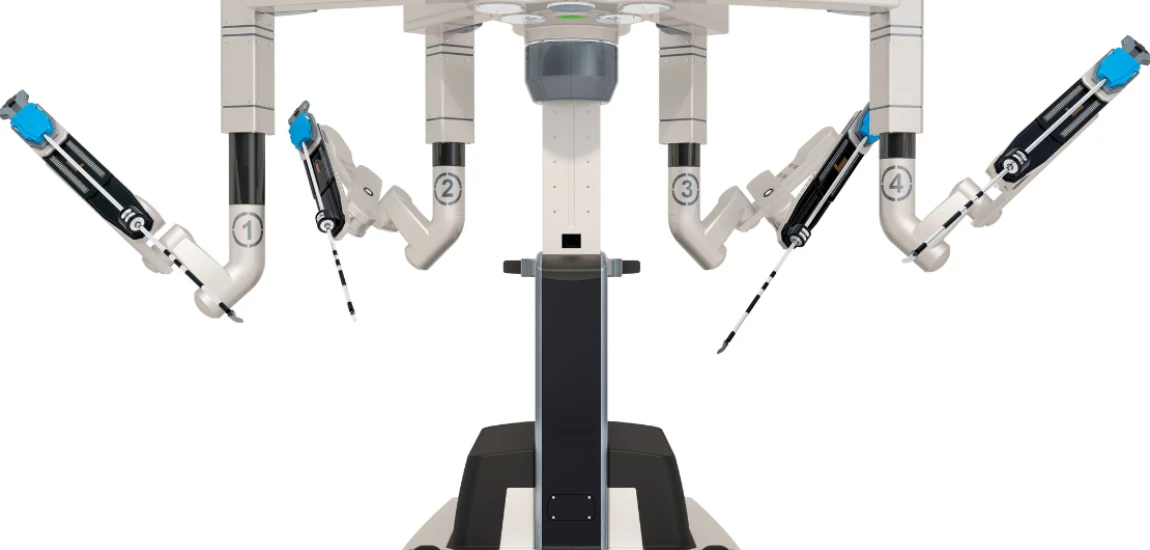
AI-powered healthcare intelligence systems are reshaping the global healthcare industry by introducing automation, predictive analytics, and intelligent decision-support tools into clinical workflows. Unlike traditional healthcare models that rely heavily on manual diagnosis and physician interpretation, modern AI-driven systems can process massive volumes of structured and unstructured medical data in seconds. These include electronic health records, laboratory results, genetic data, medical imaging scans, and real-time patient monitoring information from wearable devices.
By combining artificial intelligence with healthcare data science, smart disease diagnosis platforms can detect hidden patterns that may not be visible to the human eye. This enables earlier detection of diseases, more accurate diagnosis, and personalized treatment recommendations tailored to each patient’s biological and lifestyle profile. As healthcare systems globally face increasing pressure from rising patient loads, chronic diseases, and limited resources, AI-powered intelligence systems are becoming essential tools for improving efficiency, accuracy, and accessibility in modern medicine.
Understanding AI-Powered Healthcare Intelligence Systems

What Are Healthcare Intelligence Systems?
AI-powered healthcare intelligence systems are integrated digital ecosystems designed to collect, analyze, and interpret medical data using artificial intelligence algorithms. These systems act as intelligent assistants for healthcare professionals by transforming raw medical data into actionable clinical insights.
They operate by combining multiple healthcare data sources such as hospital databases, imaging systems, pharmacy records, and wearable health trackers. This integrated approach allows for a complete view of a patient’s health condition rather than isolated symptoms.
In real-world applications, these systems are used in hospitals to support diagnosis, predict patient risks, and recommend treatment pathways. For example, an AI system may analyze a patient’s heart rate history, cholesterol levels, and genetic predisposition to predict cardiovascular disease risk before symptoms appear.
Role of Artificial Intelligence in Healthcare
Artificial intelligence plays a transformative role by enabling systems to learn from historical medical data and continuously improve diagnostic accuracy. Machine learning algorithms detect patterns in disease progression, while deep learning models analyze complex datasets such as MRI scans or pathology slides.
AI also helps reduce cognitive load on doctors by automating repetitive tasks like data entry, report generation, and preliminary diagnosis suggestions. This allows healthcare professionals to focus more on patient interaction and critical decision-making.
Additionally, AI systems can cross-reference millions of medical research papers and clinical studies in seconds, providing doctors with updated medical knowledge that would otherwise take years to compile manually.
Importance of Data-Driven Medical Systems
Healthcare intelligence systems depend heavily on high-quality data. The accuracy of AI predictions is directly influenced by the volume, diversity, and quality of data used for training.
Data-driven healthcare allows hospitals to shift from reactive treatment to proactive care. Instead of treating diseases after they occur, AI systems help identify risk factors early and recommend preventive measures.
This not only improves patient survival rates but also reduces healthcare costs by minimizing emergency treatments and hospital readmissions.
Core Technologies Behind Smart Disease Diagnosis Platforms

Machine Learning and Deep Learning Models
Machine learning and deep learning form the backbone of modern healthcare AI systems. These models analyze large datasets to identify patterns that are often too complex for human interpretation.
Deep learning networks, especially convolutional neural networks (CNNs), are widely used in medical imaging. They can detect tumors, fractures, infections, and abnormalities with high precision.
For example, in oncology, AI models can analyze thousands of cancer images to detect early-stage tumors that may be missed by traditional diagnostic methods. Over time, these models improve through continuous exposure to new medical data.
Medical Imaging and Computer Vision
Computer vision technology enables AI systems to “see” and interpret medical images just like a radiologist. It processes X-rays, CT scans, ultrasound images, and MRIs to identify abnormalities.
These systems highlight suspicious areas, measure tumor growth, and even compare current scans with previous ones to track disease progression.
In emergency medicine, computer vision helps rapidly detect conditions such as strokes or internal bleeding, enabling faster intervention and potentially saving lives.
Natural Language Processing in Healthcare
Natural Language Processing (NLP) allows AI systems to understand unstructured medical text such as doctor notes, prescriptions, discharge summaries, and patient feedback.
NLP extracts meaningful medical insights from these documents, converting them into structured data for analysis. For instance, it can identify recurring symptoms across patient records and detect disease clusters.
This technology also powers medical chatbots and virtual assistants that help patients book appointments, check symptoms, and receive basic health guidance.
Benefits of AI-Powered Healthcare Intelligence Systems

Early Disease Detection and Prevention
One of the most powerful advantages of AI healthcare systems is early disease detection. By analyzing subtle changes in patient data over time, AI can detect diseases at very early stages.
For example, AI can identify early signs of diabetes, Alzheimer’s disease, or heart conditions long before symptoms become severe.
Early detection significantly improves treatment outcomes and reduces long-term healthcare costs by preventing complications.
Improved Diagnostic Accuracy
AI systems reduce human diagnostic errors by providing data-backed recommendations. Unlike humans, AI does not suffer from fatigue or bias, making it highly consistent in analysis.
When used alongside doctors, AI acts as a second opinion system, increasing diagnostic confidence and reducing misdiagnosis rates.
This is especially important in complex cases where multiple symptoms overlap across different diseases.
Enhanced Efficiency in Healthcare Delivery
Healthcare systems worldwide face challenges such as staff shortages and high patient loads. AI helps solve this by automating administrative and diagnostic tasks.
Hospitals using AI systems report faster patient processing times, reduced waiting periods, and improved resource allocation.
This leads to more efficient healthcare delivery and better patient satisfaction.
Applications of Smart Disease Diagnosis Platforms

Radiology and Medical Imaging
AI plays a critical role in radiology by analyzing medical images with high accuracy. It assists in detecting cancers, fractures, lung diseases, and neurological disorders.
Radiologists use AI tools to prioritize urgent cases, ensuring critical patients receive immediate attention.
Personalized Medicine and Treatment Planning
AI enables personalized healthcare by analyzing genetic data, lifestyle habits, and medical history.
This allows doctors to design treatment plans tailored specifically to each patient, improving effectiveness and reducing side effects.
Remote Monitoring and Telemedicine
Wearable devices connected to AI systems allow continuous monitoring of patients outside hospitals.
Doctors can track heart rate, blood pressure, oxygen levels, and other vital signs in real time, enabling remote diagnosis and early intervention.


Operating "The Blonde Abroad," Kiersten Rich specializes in solo female travel. Her blog provides destination guides, packing tips, and travel resources.
Kiersten Rich
Prev Post

Next Post