
AI-Powered Digital Twin Planet Systems and Real-Time Earth Simulation Frameworks
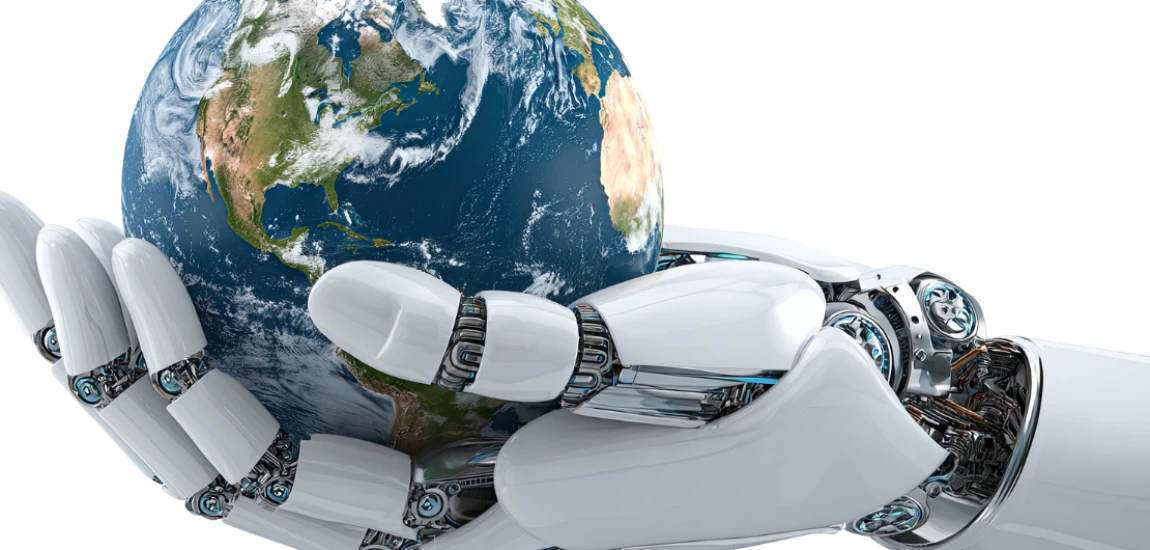
The concept of simulating an entire planet in real time was once considered science fiction, but it is now becoming a rapidly emerging scientific and technological reality. AI-powered digital twin planet systems are advanced computational ecosystems that replicate Earth’s physical environment, climate systems, human infrastructure, and ecological processes inside a continuously updating virtual model. These systems integrate artificial intelligence, satellite networks, IoT sensors, high-performance computing, and geospatial analytics to build a living digital replica of Earth.
Unlike traditional simulations that rely on static datasets, real-time Earth simulation frameworks operate dynamically. They continuously ingest live data from satellites, ocean buoys, atmospheric sensors, transportation networks, energy grids, and even economic systems. This allows them to reflect real-world changes instantly, making them powerful tools for prediction, planning, and crisis response.
The importance of these systems is increasing due to climate change, rapid urbanization, natural disasters, and resource constraints. Governments and industries are beginning to rely on digital twin Earth models for climate forecasting, disaster mitigation, infrastructure optimization, and sustainability planning. These systems may ultimately become essential for managing complex global challenges at planetary scale.
Understanding AI-Powered Digital Twin Planet Systems

Core Architecture of a Planet-Scale Digital Twin
AI-powered digital twin planet systems are built on multi-layered architectures that combine data acquisition, processing, simulation, and visualization. At the core, billions of data points are collected from satellites, sensors, drones, and digital infrastructures. This raw data is then processed by AI systems that convert it into structured, meaningful environmental and infrastructural models.
These models simulate Earth’s systems including weather patterns, ocean currents, urban expansion, vegetation cycles, and energy consumption. Machine learning algorithms continuously refine these simulations by comparing predicted outcomes with real-world observations, improving accuracy over time.
Cloud computing and edge computing work together in this architecture. While cloud systems handle large-scale simulation processing, edge devices allow real-time local data interpretation, enabling faster response times and reduced latency.
Continuous Data Streams and Planetary Awareness
A defining feature of digital twin Earth systems is their ability to maintain continuous planetary awareness. Data streams from remote sensing satellites provide high-resolution imagery of forests, oceans, glaciers, and cities. IoT networks embedded in smart cities track traffic flow, pollution levels, energy usage, and infrastructure health.
AI systems analyze these inputs simultaneously to create a synchronized global model of Earth’s state. This allows researchers and governments to observe environmental changes as they happen, rather than relying on delayed reports.
Over time, this continuous monitoring builds a historical intelligence layer, enabling deep analysis of long-term environmental and societal trends.
Evolution of Digital Earth Simulation Technology
Early Earth modeling systems were limited to climate simulations or geographic information systems (GIS). However, AI-powered digital twin systems represent a major evolution toward fully integrated planetary intelligence.
These systems merge multiple disciplines including climate science, economics, urban planning, transportation engineering, and environmental science into one unified simulation environment.
This convergence allows decision-makers to analyze how changes in one system affect others, creating a more holistic understanding of global interdependencies.
Real-Time Earth Simulation Frameworks

Dynamic Planetary Simulation Engines
Real-time Earth simulation frameworks function as dynamic engines that continuously reconstruct Earth’s state based on live data feeds. These engines use AI models to simulate atmospheric conditions, geological changes, human activity, and ecosystem behavior.
Unlike traditional models that require manual updates, these frameworks self-update every second, ensuring that simulations remain aligned with real-world conditions. This enables near-instant predictive modeling of natural disasters, climate shifts, and urban system changes.
These simulation engines rely heavily on high-performance GPUs, distributed computing networks, and AI acceleration hardware capable of processing planetary-scale datasets.
Predictive Climate Intelligence Systems
One of the most important applications of real-time Earth simulations is climate prediction. AI models analyze atmospheric pressure systems, greenhouse gas concentrations, ocean temperature variations, and solar radiation data to generate highly accurate climate forecasts.
These systems can simulate decades of climate evolution in a matter of hours, helping researchers understand long-term environmental risks. They can also predict extreme weather events such as hurricanes, droughts, floods, and heatwaves with improved accuracy.
Governments use these predictions to develop disaster preparedness strategies and climate adaptation policies.
Simulation of Human and Urban Systems
Real-time Earth frameworks also simulate human systems such as cities, transportation networks, and energy grids. These simulations help urban planners test infrastructure designs before implementation.
For example, AI can simulate how a new highway will impact traffic congestion or how a new industrial zone will affect air quality. This reduces planning risks and improves sustainability outcomes.
Smart city integration allows continuous optimization of urban systems based on real-world feedback loops.
The Role of Artificial Intelligence in Planetary Simulation

Machine Learning-Driven Environmental Modeling
Machine learning is the backbone of digital twin Earth systems. AI models identify complex relationships between environmental variables such as temperature, humidity, carbon emissions, land use, and ocean currents.
These relationships are often non-linear and impossible to detect using traditional analytical methods. AI systems learn these patterns automatically, improving predictive accuracy over time.
Deep learning models are especially effective at processing satellite imagery and detecting environmental changes such as deforestation, urban expansion, and glacier melting.
Autonomous Decision Intelligence Systems
AI-powered Earth simulations are not only descriptive but also prescriptive. They can recommend optimal actions for environmental protection, disaster response, and infrastructure management.
For example, if a flood risk is detected, AI systems can simulate evacuation routes, optimize emergency resource distribution, and predict infrastructure vulnerabilities.
These autonomous decision-support systems enhance human decision-making by providing real-time strategic insights at planetary scale.
Integration with Quantum and High-Performance Computing
Future digital twin systems are expected to integrate quantum computing to handle extremely complex simulations involving billions of variables simultaneously.
Quantum-enhanced AI could dramatically improve climate modeling, energy optimization, and global system simulations by solving problems that are currently computationally impossible.
This integration represents a major leap toward ultra-accurate planetary intelligence systems.
Applications of Digital Twin Planet Systems

Climate Change Monitoring and Environmental Protection
One of the most critical applications of digital twin Earth systems is climate monitoring. These systems help track greenhouse gas emissions, deforestation rates, ocean acidification, and biodiversity loss.
Environmental agencies can use AI-generated simulations to design more effective conservation strategies and evaluate the long-term impact of policy decisions.
This supports global efforts toward sustainability and carbon neutrality.
Smart Infrastructure and Urban Development
Digital twin systems are transforming how cities are planned and managed. Urban planners use AI simulations to test infrastructure resilience, optimize energy usage, and improve transportation systems.
Smart cities integrated with digital twins can automatically adjust traffic signals, manage energy distribution, and predict maintenance needs for infrastructure.
This leads to more efficient, sustainable, and livable urban environments.
Disaster Management and Emergency Response
Real-time Earth simulations significantly improve disaster prediction and response capabilities. AI systems can simulate earthquake impacts, wildfire spread, tsunami risks, and storm trajectories.
Emergency agencies can use these insights to deploy resources more effectively and reduce human and economic losses.


Kate McCulley, the voice behind "Adventurous Kate," provides travel advice tailored for women. Her blog encourages safe and adventurous travel for female readers.
Kate McCulley

Prev Post
Next Post