
Cognitive Swarm Intelligence Systems and Multi-Agent Autonomous Coordination Architectures
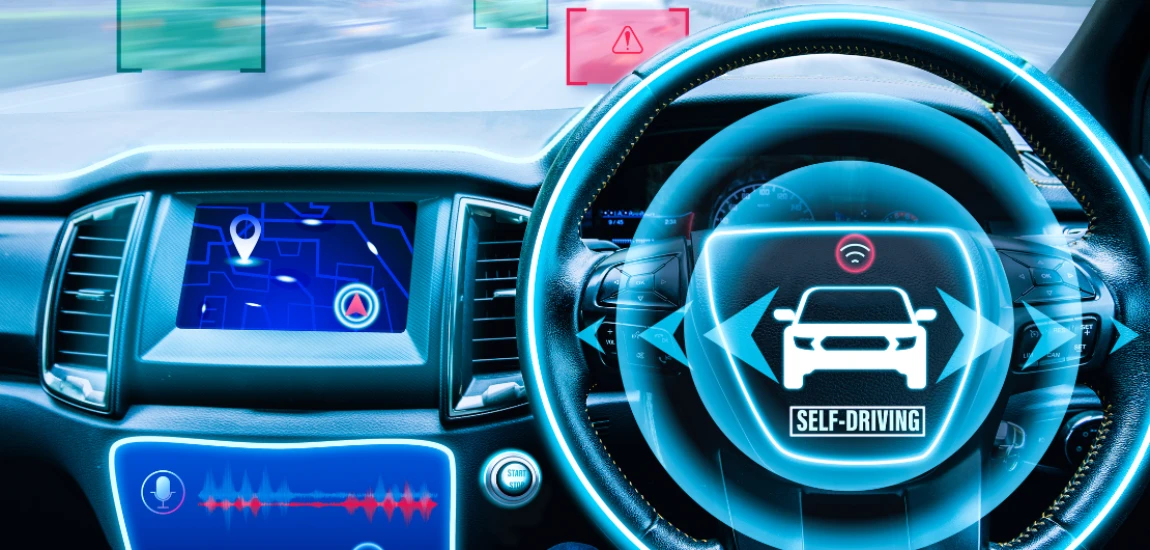
Artificial intelligence is rapidly evolving beyond single-agent decision-making systems into highly adaptive, collaborative networks of autonomous entities capable of working together in real time. Cognitive swarm intelligence systems and multi-agent autonomous coordination architectures represent one of the most advanced developments in modern AI research. Inspired by natural swarm behavior observed in ants, bees, birds, and fish, these systems enable groups of intelligent agents to cooperate efficiently without relying on centralized control. From autonomous drones and robotic manufacturing to disaster response and smart transportation, swarm intelligence is becoming a foundational technology for scalable, resilient, and adaptive automation ecosystems. As industries demand faster decision-making, predictive coordination, and decentralized control, cognitive swarm intelligence systems are reshaping how machines communicate, learn, and solve complex problems collectively.
Understanding Cognitive Swarm Intelligence Systems

Nature-Inspired Artificial Intelligence Models
Cognitive swarm intelligence systems are inspired by the collective behavior of biological organisms that operate in coordinated groups. In nature, ants can discover the shortest paths to food sources, birds can migrate in synchronized formations, and fish can avoid predators through decentralized communication. Artificial intelligence researchers replicate these behaviors using algorithms that allow autonomous agents to communicate, learn, and adapt collectively.
Unlike traditional AI systems that depend heavily on centralized processing, swarm intelligence distributes decision-making across multiple agents. Each autonomous agent follows simple behavioral rules, but together they create highly intelligent system-wide outcomes. This decentralized architecture improves scalability, fault tolerance, and adaptability in dynamic environments.
Swarm intelligence systems are widely used in robotics, drone coordination, industrial automation, and autonomous transportation networks. These systems continuously analyze environmental data, exchange information with neighboring agents, and optimize collective decision-making processes.
Core Components of Swarm Intelligence
The foundation of cognitive swarm intelligence systems lies in distributed intelligence and collaborative coordination. Several key components enable these systems to function effectively across large-scale environments.
Autonomous agents form the primary building blocks of swarm systems. These agents can be robots, drones, sensors, or software entities capable of independent decision-making. Communication protocols allow agents to exchange data efficiently while maintaining system-wide synchronization.
Machine learning algorithms help swarm systems adapt to changing conditions through continuous learning and predictive analysis. Edge computing technologies further enhance swarm performance by processing information locally instead of relying solely on cloud infrastructure.
Self-organization mechanisms enable swarm systems to function without centralized leadership. This reduces operational bottlenecks and improves resilience in environments where communication delays or failures may occur.
Real-World Applications of Swarm Intelligence
Modern industries are increasingly adopting swarm intelligence technologies to improve operational efficiency and automation capabilities. In logistics, fleets of autonomous delivery robots coordinate movement patterns to optimize delivery routes and reduce traffic congestion.
Defense systems use drone swarms for surveillance, reconnaissance, and coordinated mission execution. Smart agriculture platforms deploy autonomous robots to monitor crops, detect diseases, and optimize irrigation systems.
Healthcare industries are exploring microscopic robotic swarms for targeted drug delivery and minimally invasive surgical procedures. These emerging technologies demonstrate the enormous potential of cognitive swarm intelligence systems across multiple sectors.
Multi-Agent Autonomous Coordination Architectures

Distributed Coordination Frameworks
Multi-agent autonomous coordination architectures provide the structural framework that enables intelligent agents to collaborate efficiently. These architectures define how agents communicate, share resources, and coordinate actions while maintaining operational independence.
Distributed coordination systems eliminate the need for centralized control centers, reducing vulnerability to single points of failure. Instead, agents interact through decentralized communication protocols that support real-time collaboration and adaptive decision-making.
These architectures are particularly valuable in dynamic environments where rapid responses are essential. Autonomous vehicles, industrial robots, and disaster response systems rely on distributed coordination frameworks to maintain operational stability under uncertain conditions.
The scalability of multi-agent systems allows organizations to expand operations without significantly increasing infrastructure complexity. Additional agents can join the network seamlessly while maintaining synchronized coordination.
Communication and Decision-Making Mechanisms
Efficient communication is essential for successful multi-agent coordination. Autonomous agents exchange environmental data, operational status updates, and predictive insights to optimize collective performance.
Advanced communication mechanisms include peer-to-peer networking, distributed consensus algorithms, and adaptive routing protocols. These technologies help agents coordinate efficiently while minimizing communication latency and bandwidth usage.
Decision-making in multi-agent architectures often relies on reinforcement learning and collaborative optimization algorithms. Agents continuously evaluate environmental changes and adjust strategies dynamically to improve performance outcomes.
Real-time data processing enables systems to respond instantly to unexpected events such as equipment failures, traffic congestion, or environmental hazards. This adaptability significantly improves system resilience and operational continuity.
Adaptive Learning and System Optimization
One of the most significant advantages of multi-agent autonomous coordination architectures is their ability to learn collectively. Agents share experiences and behavioral patterns to improve future decision-making processes.
Adaptive learning mechanisms allow swarm systems to identify operational inefficiencies and optimize coordination strategies automatically. Over time, these systems become more intelligent, efficient, and responsive to changing environments.
Predictive analytics and AI-driven optimization further enhance system performance by forecasting potential disruptions and recommending proactive adjustments. This capability is especially valuable in industries such as transportation, manufacturing, and smart energy management.
As machine learning technologies continue to evolve, multi-agent architectures will become increasingly capable of autonomous self-improvement and strategic adaptation.
Role of Artificial Intelligence in Swarm Coordination

Machine Learning and Behavioral Adaptation
Artificial intelligence serves as the cognitive foundation of swarm coordination systems. Machine learning algorithms allow autonomous agents to interpret environmental data, recognize patterns, and improve decision-making through experience.
Behavioral adaptation enables swarm systems to function effectively in unpredictable conditions. For example, autonomous drone swarms can alter flight formations based on weather conditions, obstacles, or mission objectives.
Deep learning models enhance visual recognition, predictive analytics, and navigation accuracy. These capabilities are essential for robotics applications operating in complex real-world environments.
AI-powered behavioral adaptation also improves resource allocation, energy efficiency, and operational productivity across distributed autonomous networks.
Reinforcement Learning in Multi-Agent Systems
Reinforcement learning is widely used in multi-agent autonomous coordination architectures. Agents learn optimal behaviors through trial-and-error interactions with their environments.
Reward-based learning mechanisms encourage agents to maximize performance outcomes while minimizing operational risks. Over time, coordinated agents develop sophisticated strategies that improve collective intelligence and system efficiency.
In robotic manufacturing, reinforcement learning enables collaborative robots to synchronize production tasks and adapt to changing workflows. Autonomous vehicle systems also use reinforcement learning to optimize traffic navigation and collision avoidance.
The integration of reinforcement learning with swarm intelligence is accelerating the development of highly adaptive autonomous ecosystems.
Predictive Intelligence and Autonomous Decision-Making
Predictive intelligence allows swarm systems to anticipate environmental changes and respond proactively. AI-driven forecasting models analyze historical data, sensor inputs, and operational trends to predict future conditions.
Autonomous decision-making improves efficiency by reducing human intervention in routine operations. Smart city infrastructures use predictive swarm coordination to optimize traffic management, emergency response, and energy distribution.
Industrial automation systems leverage predictive intelligence to minimize equipment downtime and improve supply chain efficiency. These technologies significantly enhance operational reliability and cost-effectiveness.
As predictive AI becomes more sophisticated, swarm systems will achieve higher levels of autonomy and strategic planning capabilities.
Industrial Applications of Cognitive Swarm Intelligence

Smart Manufacturing and Industrial Automation
Manufacturing industries are rapidly adopting cognitive swarm intelligence systems to improve productivity and operational efficiency. Collaborative robotic swarms coordinate assembly lines, inventory management, and quality control processes.
Autonomous robots communicate in real time to distribute workloads efficiently and reduce production bottlenecks. These systems can adapt dynamically to equipment failures or changes in production demand.
Swarm-based industrial automation also enhances workplace safety by minimizing human exposure to hazardous environments. Predictive maintenance systems identify equipment issues before failures occur, reducing downtime and repair costs.
The combination of AI-driven robotics and swarm coordination is driving the next generation of intelligent manufacturing ecosystems.
Autonomous Transportation and Logistics
Transportation and logistics sectors are leveraging swarm intelligence technologies to optimize fleet coordination and route planning. Autonomous delivery vehicles communicate continuously to avoid congestion and improve delivery efficiency.
Drone swarms are increasingly used for warehouse management, inventory tracking, and last-mile delivery operations. Real-time coordination allows fleets to respond dynamically to traffic conditions and customer demands.
Swarm intelligence also improves fuel efficiency and reduces operational costs through collaborative route optimization and predictive traffic analysis.
Future smart transportation systems will rely heavily on decentralized autonomous coordination architectures to support large-scale mobility networks.
Defense and Surveillance Operations
Military and defense organizations are investing heavily in swarm intelligence technologies for surveillance, reconnaissance, and autonomous mission coordination.
Drone swarms can perform complex operations such as area monitoring, threat detection, and coordinated tactical maneuvers. Decentralized coordination improves mission resilience even when communication links are disrupted.
Swarm intelligence systems also enhance cybersecurity defense by deploying autonomous software agents that detect and neutralize network threats collaboratively.
As defense technologies continue to evolve, cognitive swarm intelligence will become increasingly important for strategic operations and autonomous security systems.
Challenges in Multi-Agent Autonomous Coordination

Communication Complexity and Network Stability
One of the primary challenges in swarm intelligence systems is maintaining stable communication across large networks of autonomous agents. Communication delays, bandwidth limitations, and signal interference can reduce coordination efficiency.
Scalable communication protocols are essential for supporting thousands of interacting agents simultaneously. Researchers are developing advanced networking technologies to improve reliability and reduce latency in distributed systems.
Edge computing solutions also help minimize communication bottlenecks by enabling local data processing near operational environments.
Improving network stability remains a critical focus area for future swarm intelligence development.
Security and Ethical Concerns
As autonomous coordination systems become more advanced, security risks and ethical concerns are becoming increasingly significant. Malicious attacks targeting swarm communication networks could disrupt operations or manipulate decision-making processes.
Cybersecurity frameworks must protect decentralized systems against unauthorized access, data breaches, and coordinated cyber threats.
Ethical concerns also arise regarding autonomous military applications, surveillance technologies, and AI-driven decision-making authority. Policymakers and technology developers must establish clear ethical guidelines for responsible AI deployment.
Transparency, accountability, and human oversight will remain essential components of ethical swarm intelligence systems.
Computational and Energy Requirements
Large-scale cognitive swarm intelligence systems require significant computational resources and energy consumption. Coordinating thousands of intelligent agents in real time demands advanced processing capabilities and efficient power management.
Energy-efficient AI algorithms and optimized hardware architectures are critical for enabling sustainable swarm operations. Neuromorphic computing and edge AI technologies may provide future solutions for reducing computational overhead.
Balancing performance, scalability, and energy efficiency remains one of the biggest challenges in autonomous coordination research.


Gary Arndt operates "Everything Everywhere," a blog focusing on worldwide travel. An award-winning photographer, Gary shares stunning visuals alongside his travel tales.
Gary Arndt

Prev Post

Next Post