
Cognitive Human Augmentation Systems and Next-Generation Bio-Digital Enhancement Architectures
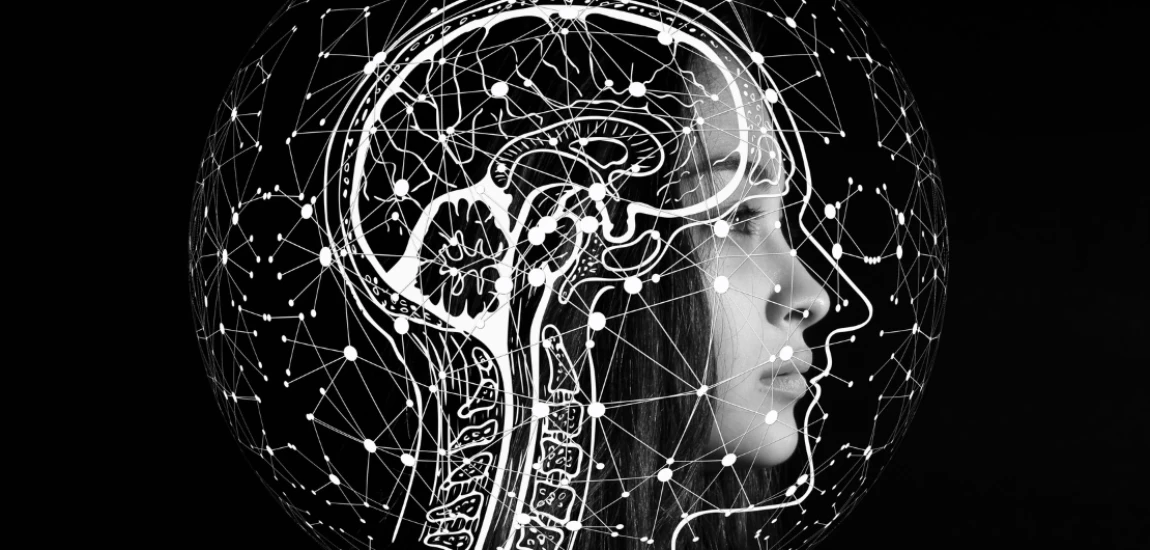
Human evolution is entering a new technological phase where biology and digital intelligence are beginning to merge. Cognitive Human Augmentation Systems and Next-Generation Bio-Digital Enhancement Architectures represent a revolutionary shift in how humans may enhance memory, intelligence, perception, and physical ability using advanced neural technologies, artificial intelligence, and biotechnology.
These systems aim to extend human cognitive and physical capabilities beyond natural biological limits. By integrating brain–computer interfaces, neural implants, AI-assisted cognition tools, and bio-digital hybrid architectures, future humans may be able to process information faster, learn more efficiently, and interact directly with digital systems using thought alone.
Unlike traditional assistive technologies, cognitive augmentation systems are designed to enhance human capability rather than simply support it. This includes improving memory retention, accelerating decision-making, enhancing sensory perception, and even enabling direct communication between human brains and digital networks.
As neuroscience, AI, and biotechnology continue to converge, cognitive human augmentation may become one of the most transformative developments in human history.
Understanding Cognitive Human Augmentation Systems

The Evolution of Human Enhancement Technologies
Human augmentation has evolved gradually from basic tools and assistive devices to advanced digital systems integrated with human biology. Early technologies such as hearing aids, prosthetics, and corrective lenses provided functional improvements, but modern cognitive augmentation systems aim to enhance intelligence and mental processing itself.
Cognitive Human Augmentation Systems combine neuroscience, artificial intelligence, and bioengineering to improve how the human brain processes, stores, and retrieves information. These systems are designed to strengthen neural pathways, improve cognitive speed, and expand mental capacity through external digital support.
Unlike traditional learning tools, cognitive augmentation systems work directly with brain activity patterns, enabling real-time enhancement of mental performance.
Brain–Computer Interface Integration
Brain–Computer Interfaces (BCIs) are one of the foundational technologies behind cognitive augmentation. BCIs enable direct communication between the human brain and external digital systems.
These interfaces interpret neural signals and convert them into digital commands, allowing users to control computers, prosthetic limbs, or virtual environments using thought alone.
Advanced BCIs may also send information back into the brain, enabling sensory enhancement, memory support, or real-time cognitive assistance.
This bidirectional communication represents a major step toward fully integrated bio-digital intelligence systems.
Why Cognitive Augmentation Matters
As global information systems become more complex, human cognitive limitations may become a barrier to productivity and innovation. Cognitive augmentation systems aim to bridge this gap by enhancing mental performance.
These technologies could help professionals make faster decisions, students learn more efficiently, and researchers process large datasets with greater accuracy.
In the long term, cognitive augmentation may redefine what it means to be human in a digital world.
Core Technologies Behind Bio-Digital Enhancement Architectures

Neural Implants and Bio-Electronic Interfaces
Neural implants are advanced devices designed to interact directly with brain tissue. These implants detect electrical signals produced by neurons and translate them into digital information.
Some neural implants can also stimulate specific brain regions to enhance memory, focus, or sensory perception.
Bio-electronic interfaces connect biological systems with digital processing units, enabling seamless interaction between the human nervous system and artificial intelligence platforms.
These technologies are essential for building next-generation cognitive enhancement architectures.
Artificial Intelligence-Assisted Cognition Systems
Artificial intelligence plays a crucial role in cognitive augmentation by analyzing neural data and providing real-time cognitive support.
AI systems can assist with memory recall, decision-making, language processing, and pattern recognition by acting as external cognitive processors.
Machine learning models adapt to individual brain activity patterns, allowing personalized cognitive enhancement over time.
This synergy between AI and human cognition creates a hybrid intelligence system that expands mental capabilities.
Neuroplasticity and Brain Adaptation Technologies
Neuroplasticity refers to the brain’s ability to reorganize and form new neural connections. Cognitive augmentation systems leverage this natural adaptability to enhance learning and cognitive performance.
Digital stimulation technologies and neurofeedback systems encourage the brain to develop stronger cognitive pathways.
Over time, these systems may improve intelligence, memory capacity, and mental processing speed.
This biological adaptability is essential for successful long-term cognitive enhancement.
Applications of Cognitive Human Augmentation Systems

Enhanced Learning and Education Systems
Cognitive augmentation technologies could revolutionize education by enabling faster and more efficient learning processes.
Students may use neural interfaces to absorb information directly into memory or receive AI-assisted explanations in real time.
Personalized learning systems could adapt educational content based on cognitive performance and mental focus levels.
This could significantly reduce learning time while improving comprehension and retention.
Professional and Industrial Cognitive Enhancement
In high-performance industries such as engineering, medicine, finance, and research, cognitive augmentation systems could dramatically improve productivity.
Professionals may use AI-assisted cognition tools to analyze complex data, simulate scenarios, and make faster decisions.
Neural interfaces could also reduce cognitive fatigue by distributing mental workload across AI systems.
This integration of human intelligence and artificial cognition could redefine workplace efficiency.
Healthcare and Neurological Treatment
Cognitive augmentation systems may also play a major role in treating neurological disorders such as memory loss, brain injuries, and cognitive decline.
Neural implants and brain stimulation technologies can restore lost cognitive functions or enhance damaged neural pathways.
AI-powered diagnostic systems can monitor brain activity and detect early signs of neurological conditions.
These advancements could significantly improve quality of life for patients with cognitive impairments.
AI Automation in Cognitive Enhancement Systems

Real-Time Neural Data Processing
AI systems continuously analyze brain signals in real time to provide cognitive assistance and enhancement.
This includes interpreting neural patterns related to attention, memory, emotion, and decision-making.
Real-time processing allows instant feedback and adaptive cognitive support based on user needs.
This creates a seamless interaction between biological and digital intelligence systems.
Predictive Cognitive Optimization
AI models can predict cognitive performance trends based on neural activity patterns and behavioral data.
These predictions help optimize mental performance by adjusting stimulation levels, information delivery, and cognitive workload.
Predictive systems can also identify mental fatigue and recommend cognitive rest or stimulation strategies.
This improves long-term brain efficiency and performance stability.
Autonomous Cognitive Support Systems
Future cognitive augmentation systems may operate autonomously, providing continuous mental assistance without user intervention.
These systems could manage memory storage, information retrieval, and decision optimization automatically.
Autonomous cognitive support may become a standard feature in advanced bio-digital architectures.


Anil Polat, behind the blog "FoxNomad," combines technology and travel. A computer security engineer by profession, he focuses on the tech aspects of travel.
Anil Polat

Prev Post

Next Post