
Cognitive Agricultural Intelligence Systems and Precision Global Food Security Architectures
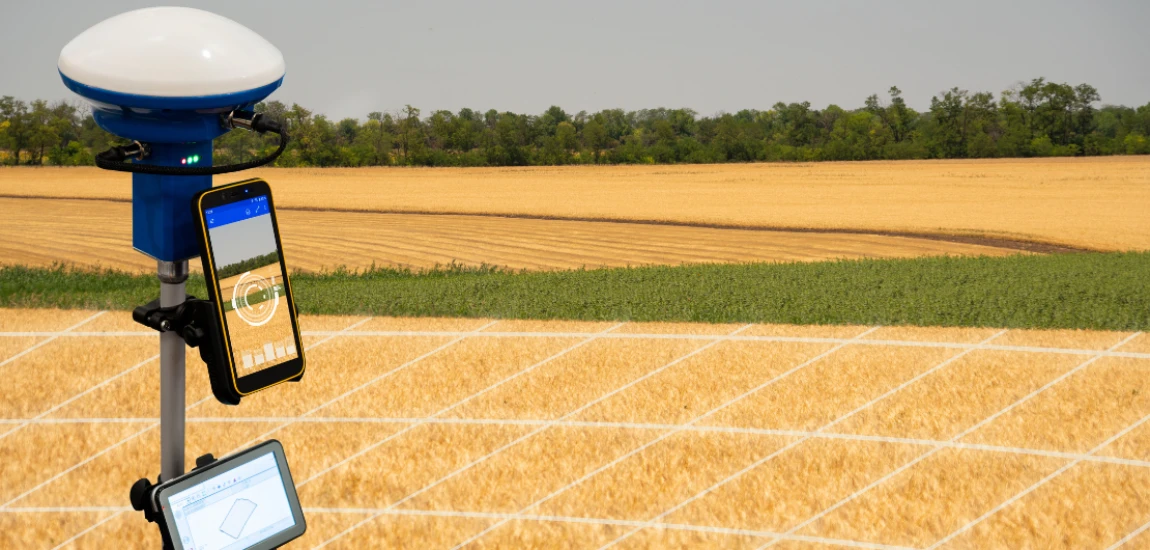
Feeding a rapidly growing global population remains one of the most significant challenges of the twenty-first century. Rising food demand, climate change, shrinking arable land, water scarcity, supply chain disruptions, and environmental degradation are placing unprecedented pressure on agricultural systems worldwide. Traditional farming methods, while effective for centuries, often struggle to provide the efficiency, scalability, and resilience required to meet modern food security needs.
At the same time, technological innovation is transforming nearly every industry, including agriculture. Artificial intelligence, machine learning, Internet of Things (IoT) sensors, robotics, satellite imaging, and big data analytics are creating new opportunities to improve farming productivity and sustainability. These technologies enable farmers and policymakers to make more informed decisions, reduce waste, optimize resource usage, and enhance crop yields.
Cognitive Agricultural Intelligence Systems and Precision Global Food Security Architectures represent a future-focused approach to agricultural development. These systems combine intelligent data analysis, automated decision-making, predictive modeling, and interconnected food production networks to create highly efficient and adaptive agricultural ecosystems.
By integrating advanced technologies across the entire food value chain—from crop cultivation and livestock management to distribution and consumption—these frameworks aim to ensure reliable access to nutritious food while minimizing environmental impact. As global food systems face increasing uncertainty, cognitive agricultural intelligence may become a critical foundation for achieving long-term food security and sustainable development.
Understanding Cognitive Agricultural Intelligence Systems

The Evolution of Intelligent Farming
Agriculture has evolved significantly over the centuries, moving from manual labor and traditional practices to mechanized farming and precision agriculture. Today, the next stage of this evolution involves cognitive intelligence systems capable of analyzing complex agricultural environments and making data-driven decisions.
These systems utilize artificial intelligence to process information from multiple sources, including weather stations, soil sensors, satellite imagery, farm equipment, and market databases. By continuously learning from new data, cognitive systems improve their ability to identify patterns, forecast outcomes, and optimize farming operations.
Unlike traditional agricultural management methods, cognitive systems provide real-time insights that enable proactive decision-making rather than reactive responses.
AI-Driven Decision Support
Artificial intelligence serves as the analytical engine behind cognitive agriculture. Machine learning algorithms evaluate enormous datasets and identify opportunities for improving productivity and efficiency.
Farmers can receive recommendations regarding irrigation schedules, planting strategies, fertilization programs, pest management, and harvesting timelines. These insights help maximize yields while minimizing resource consumption.
AI-powered decision support systems enhance both economic performance and environmental sustainability.
Continuous Learning and Adaptation
One of the most valuable characteristics of cognitive agricultural systems is their ability to adapt. As environmental conditions change, these systems continuously refine their models and recommendations.
This adaptability enables farms to respond effectively to evolving climate conditions, market dynamics, and production challenges.
Precision Agriculture and Smart Resource Management

Optimizing Land Utilization
Precision agriculture focuses on managing fields at a highly detailed level rather than treating entire farms uniformly. Advanced technologies allow farmers to understand variations in soil quality, moisture levels, nutrient availability, and crop performance across different areas.
Using this information, farmers can allocate resources more efficiently and target interventions where they are needed most.
This approach improves productivity while reducing unnecessary inputs.
Intelligent Water Management
Water scarcity is becoming a major challenge for agricultural production worldwide. Cognitive agricultural systems can monitor soil moisture levels, weather forecasts, and crop water requirements in real time.
AI-driven irrigation systems deliver water precisely when and where it is needed, reducing waste and improving crop health.
Efficient water management supports both sustainability and profitability.
Precision Nutrient Application
Fertilizer use plays a critical role in crop production, but excessive application can harm the environment and increase costs. Precision nutrient management systems analyze soil conditions and plant requirements to optimize fertilizer distribution.
Targeted application improves nutrient efficiency while reducing environmental impacts such as runoff and pollution.
Advanced Crop Monitoring and Predictive Analytics

Real-Time Crop Intelligence
Modern agricultural operations generate vast amounts of data. Drones, satellites, field sensors, and connected machinery continuously collect information about crop health and environmental conditions.
Cognitive systems transform this data into actionable intelligence by identifying trends and detecting potential issues early.
This visibility allows farmers to address problems before they affect yields.
Predicting Crop Performance
Predictive analytics helps estimate future crop outcomes based on historical data, environmental conditions, and current field observations.
Machine learning models can forecast yield potential, disease risks, pest outbreaks, and weather-related impacts.
These forecasts support more informed planning and risk management.
Early Detection of Agricultural Threats
Crop diseases and pest infestations can spread rapidly if not detected early. AI-powered monitoring systems analyze visual imagery and sensor data to identify warning signs before significant damage occurs.
Early intervention improves crop protection and reduces losses.
This proactive approach strengthens overall agricultural resilience.


Anil Polat, behind the blog "FoxNomad," combines technology and travel. A computer security engineer by profession, he focuses on the tech aspects of travel.
Anil Polat

Prev Post

Next Post