
AI-Powered Fusion Reactor Optimization Systems and Infinite Clean Energy Networks
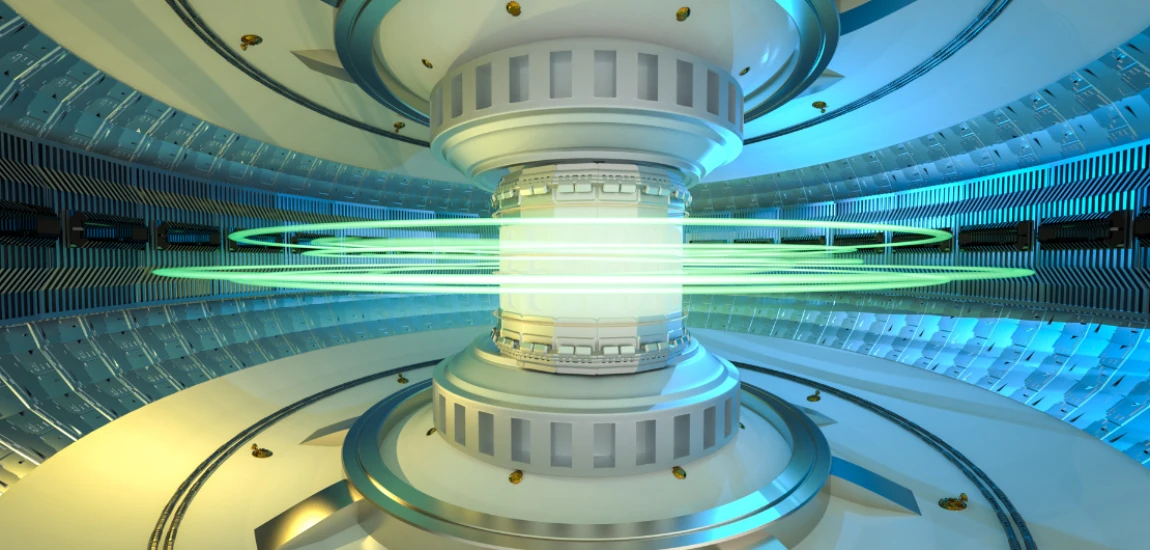
The world’s energy demands are increasing at an unprecedented pace. Rapid urbanization, industrial expansion, digital transformation, electric transportation, and population growth are placing enormous pressure on existing energy infrastructure. While renewable energy technologies such as solar, wind, and hydropower have made significant contributions toward reducing carbon emissions, challenges related to energy storage, weather dependency, and grid stability continue to limit their full potential.
Among the most promising solutions to humanity’s long-term energy challenges is nuclear fusion. Often described as the process that powers the sun and stars, fusion has the potential to generate vast amounts of energy using abundant fuel sources while producing minimal environmental impact. Unlike conventional fossil fuels, fusion does not release greenhouse gases during operation and offers the possibility of nearly limitless clean energy production.
However, controlling fusion reactions remains one of the most complex scientific and engineering challenges ever attempted. Maintaining stable plasma conditions, managing extreme temperatures, optimizing reactor performance, and ensuring operational safety require advanced computational capabilities. This is where artificial intelligence enters the picture.
AI-Powered Fusion Reactor Optimization Systems and Infinite Clean Energy Networks represent a future in which intelligent algorithms continuously monitor, analyze, and optimize fusion reactors while coordinating global energy distribution networks. By combining machine learning, predictive analytics, autonomous control systems, and advanced energy infrastructure, these technologies could unlock a new era of sustainable power generation and global energy abundance.
Understanding AI-Powered Fusion Reactor Optimization Systems

The Science Behind Nuclear Fusion
Nuclear fusion occurs when light atomic nuclei combine to form heavier nuclei, releasing enormous amounts of energy in the process. This reaction powers the sun and provides a virtually limitless source of energy throughout the universe.
Unlike nuclear fission, which splits atoms apart, fusion joins them together. Fusion fuel sources such as deuterium and tritium are relatively abundant and can produce significantly more energy than conventional fuels.
Despite its promise, achieving controlled fusion on Earth requires temperatures exceeding millions of degrees Celsius. Maintaining these conditions while ensuring reactor stability presents extraordinary technical challenges.
Why Artificial Intelligence Is Essential
Fusion reactors generate enormous amounts of operational data every second. Sensors continuously monitor plasma behavior, magnetic field performance, temperature variations, particle interactions, and structural conditions.
Human operators alone cannot process this information quickly enough to optimize reactor performance in real time. Artificial intelligence provides the analytical capabilities needed to manage these highly complex systems.
Machine learning models identify patterns, predict instability risks, and recommend operational adjustments that improve reactor efficiency and safety.
Real-Time Decision Making and Autonomous Control
Future fusion facilities may rely heavily on autonomous control systems powered by AI. These systems continuously evaluate reactor conditions and make rapid adjustments to maintain optimal performance.
By reducing response times and improving operational precision, AI-driven control platforms could significantly increase energy output while minimizing disruptions.
Advanced Plasma Management and Reactor Stability

The Challenge of Plasma Containment
Plasma is often referred to as the fourth state of matter and serves as the core medium for fusion reactions. Maintaining stable plasma is one of the most difficult aspects of fusion energy production.
Plasma behavior is highly dynamic and can become unstable under certain conditions. Even minor disruptions can reduce efficiency or interrupt energy generation processes.
Effective plasma management is essential for achieving sustained fusion reactions.
AI-Driven Plasma Monitoring Systems
Artificial intelligence can continuously analyze plasma conditions using real-time sensor data. Advanced algorithms identify subtle indicators of instability before major disruptions occur.
Machine learning models trained on vast datasets can predict plasma behavior with remarkable accuracy, enabling proactive intervention strategies.
These predictive capabilities improve reactor reliability and operational consistency.
Optimizing Magnetic Confinement Technologies
Most fusion reactors utilize powerful magnetic fields to contain plasma and prevent contact with reactor walls. AI systems can optimize magnetic confinement parameters dynamically based on changing reactor conditions.
Continuous optimization improves plasma stability while maximizing energy production efficiency.
This capability represents a critical step toward practical commercial fusion power generation.
Intelligent Energy Production and Reactor Performance Optimization

Maximizing Energy Output
Fusion reactors involve countless operational variables that influence energy production. AI systems continuously analyze these variables to identify opportunities for efficiency improvements.
Optimization algorithms can adjust fuel injection rates, magnetic field configurations, plasma density levels, and temperature control mechanisms.
These adjustments help maximize energy generation while minimizing resource consumption.
Predictive Maintenance and Equipment Reliability
Fusion facilities contain highly sophisticated equipment operating under extreme conditions. Unexpected failures can lead to costly downtime and reduced productivity.
AI-powered predictive maintenance systems monitor equipment health continuously and detect early warning signs of wear or malfunction.
This proactive approach improves reliability and extends the lifespan of critical infrastructure components.
Learning and Improving Over Time
One of the most powerful aspects of AI is its ability to learn from experience. As fusion reactors generate operational data, machine learning models continuously refine their understanding of reactor behavior.
This ongoing improvement process enables increasingly efficient and effective optimization strategies.
Future reactors may become progressively smarter and more productive over time.
Infinite Clean Energy Networks and Global Power Distribution

Beyond Individual Reactors
While fusion reactors generate energy, delivering that energy efficiently to consumers requires advanced distribution infrastructure. Infinite Clean Energy Networks represent interconnected systems designed to manage and distribute fusion-generated electricity globally.
These networks integrate smart grids, energy storage facilities, transmission systems, and intelligent management platforms.
The goal is to create a resilient and adaptable energy ecosystem.
AI-Powered Smart Grid Management
Modern energy systems must balance supply and demand continuously. AI-driven smart grids analyze consumption patterns, weather conditions, economic activity, and infrastructure performance to optimize energy distribution.
Intelligent grid management improves reliability while reducing waste and transmission losses.
This capability becomes increasingly important as energy demand continues to evolve.
Global Energy Sharing and Resilience
Future clean energy networks may enable energy sharing across regions and nations. Excess energy generated in one location can be redirected to areas experiencing higher demand.
This interconnected approach enhances resilience and supports more efficient resource utilization.
Global energy cooperation could play a major role in achieving long-term sustainability goals.


Derek Baron, also known as "Wandering Earl," offers an authentic look at long-term travel. His blog contains travel stories, tips, and the realities of a nomadic lifestyle.
Derek Baron

Prev Post

Next Post