
Brain-to-Brain Communication Interfaces and the Future of Direct Human Knowledge Sharing
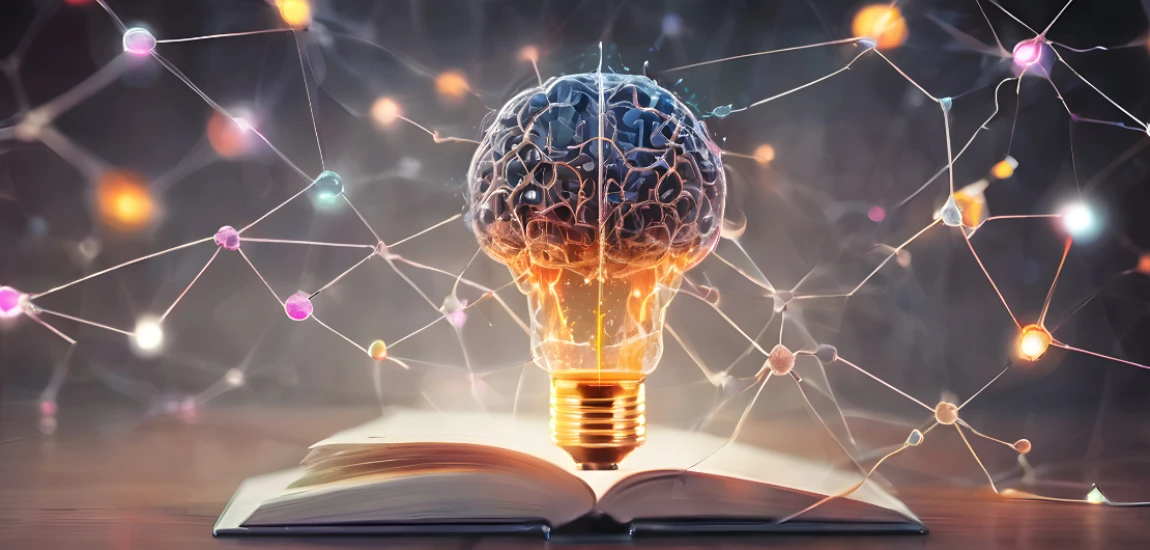
Advances in neuroscience, artificial intelligence (AI), and brain-computer interface (BCI) technology are changing how humans interact with computers and digital systems. Researchers have already demonstrated that brain signals can be used to control prosthetic limbs, type text, move computer cursors, and assist people with neurological conditions. Building on these developments, scientists are exploring the possibility of brain-to-brain communication interfaces, which aim to transmit certain types of information between individuals through connected neurotechnology systems.
Although this field remains largely experimental, early research has shown that simple brain-generated signals can be transmitted between participants using combinations of brain signal recording technologies and non-invasive brain stimulation. These demonstrations are limited to basic information exchange rather than complex thoughts or memories, but they highlight the potential of future communication methods.
It is important to distinguish current scientific capabilities from speculative ideas. Today's brain-computer interfaces cannot read complete thoughts, transfer knowledge instantly, or provide unrestricted mind-to-mind communication. Instead, researchers are investigating how neural signals might one day support new forms of communication, medical rehabilitation, collaborative problem-solving, and assistive technologies. As neuroscience and AI continue advancing, brain-to-brain communication interfaces may become an important area of research for improving accessibility, healthcare, and human-computer interaction.
Understanding Brain-to-Brain Communication Interfaces

What Are Brain-to-Brain Communication Interfaces?
Brain-to-brain communication interfaces are experimental systems that aim to transfer limited information between two or more individuals by combining brain-computer interfaces (BCIs) with computer-brain interfaces (CBIs). In a typical research setup, one participant's brain activity is measured using technologies such as electroencephalography (EEG). A computer processes these signals and transmits selected information to another participant through digital communication and, in some studies, non-invasive brain stimulation techniques such as transcranial magnetic stimulation (TMS).
Current experiments involve highly controlled tasks, such as transmitting simple binary information or basic commands. These systems do not transmit complete thoughts, emotions, memories, or personal experiences. Instead, they demonstrate that specific neural signals can be detected, interpreted, and used to communicate limited information under carefully controlled laboratory conditions.
Researchers continue studying how improvements in signal processing, AI, neuroscience, and neuroengineering may increase the accuracy and usefulness of these communication systems in the future.
How They Differ from Brain-Computer Interfaces
Brain-computer interfaces establish communication between the human brain and external devices such as computers, robotic arms, or speech-generating systems. These technologies are already being developed to assist individuals with paralysis, communication disorders, and other neurological conditions.
Brain-to-brain communication extends this concept by connecting two human participants through digital systems. Instead of sending information directly from the brain to a computer alone, processed signals are transmitted to another individual using computer-based communication technologies.
While brain-computer interfaces have made significant clinical progress, direct brain-to-brain communication remains an emerging research field with substantial scientific and technical challenges still to overcome.
Why This Research Matters
Research into brain-to-brain communication contributes to a broader understanding of how the brain processes information and interacts with technology. Even if large-scale direct knowledge sharing remains far in the future, advances in this field may improve assistive communication technologies, neurorehabilitation, collaborative human-computer systems, and adaptive learning tools.
These developments also encourage important discussions about ethics, privacy, informed consent, and responsible innovation as neurotechnology continues evolving.
Core Technologies Behind Direct Human Knowledge Sharing

Brain-Computer Interfaces and Neural Signal Recording
Brain-computer interfaces provide the foundation for brain-to-brain communication research. Non-invasive technologies such as EEG measure electrical activity produced by the brain, while more advanced experimental systems may use implanted electrodes in specific medical contexts. Researchers analyze these neural signals to identify patterns associated with intended movements, attention, or simple decisions.
Machine learning algorithms help improve the interpretation of brain signals by recognizing meaningful patterns within large amounts of neurological data. Better signal processing increases communication accuracy while reducing noise and errors during experiments.
Artificial Intelligence and Neural Data Analysis
Artificial intelligence plays a critical role in interpreting complex neural activity. AI systems analyze brain signals, filter irrelevant information, classify neural patterns, and convert them into digital commands that computers can process.
As machine learning techniques improve, researchers expect AI to support more reliable decoding of neural information while adapting to individual differences between users. However, current AI systems cannot accurately decode complete thoughts or detailed memories from normal brain activity, and ongoing research continues to explore the limits of these technologies.
Neurostimulation and Future Communication Systems
Some experimental brain-to-brain communication studies use non-invasive neurostimulation methods such as transcranial magnetic stimulation (TMS) or transcranial electrical stimulation to deliver simple signals to a receiving participant. These methods influence specific areas of the brain temporarily and under controlled research conditions.
Scientists are investigating whether future neurotechnology could support more advanced forms of communication while maintaining strict safety and ethical standards. Significant scientific, medical, regulatory, and engineering challenges remain before any widespread applications become possible, making continued research and clinical validation essential.
Potential Benefits of Brain-to-Brain Communication Interfaces

Improving Communication and Accessibility
One of the most promising potential applications of brain-to-brain communication interfaces is improving communication for individuals with severe neurological conditions. People affected by disorders such as amyotrophic lateral sclerosis (ALS), spinal cord injuries, or certain forms of paralysis may lose the ability to speak or move while remaining cognitively aware. Advances in brain-computer interface technology already allow some individuals to communicate using neural signals, and future research may further expand these capabilities.
Although direct brain-to-brain communication remains experimental, researchers are exploring whether connected neurotechnology systems could one day support more efficient information exchange between patients, caregivers, and healthcare professionals. Such developments could complement existing assistive communication technologies rather than replace traditional forms of communication.
Future systems may also improve collaboration between humans and intelligent machines by enabling faster interaction with digital tools in situations where conventional input devices are impractical.
Supporting Education and Collaborative Problem-Solving
Brain-to-brain communication is sometimes discussed as a future method of sharing knowledge directly between individuals. However, current scientific evidence does not support the idea of instantly transferring complex knowledge, memories, languages, or skills from one brain to another. Existing experiments are limited to transmitting simple signals under carefully controlled laboratory conditions.
Nevertheless, continued research into neural interfaces may improve collaborative learning environments by enabling more natural communication between humans and digital systems. Combined with AI-powered educational technologies, future neurointerfaces could personalize learning experiences, monitor cognitive workload, and adapt educational content based on a learner's needs.
Researchers are also investigating how brain-computer interfaces can enhance teamwork in high-performance environments by improving communication between humans and intelligent decision-support systems.
Advancing Medical Research and Neuroscience
Brain-to-brain communication research contributes valuable knowledge about how the human brain processes information, coordinates activity, and responds to external stimulation. Even when practical communication applications remain limited, these studies help scientists develop better brain-computer interfaces, improve neurorehabilitation techniques, and expand understanding of neurological disorders.
Insights gained from this research may lead to improved treatments for epilepsy, Parkinson's disease, stroke recovery, and other neurological conditions. Advances in neuroscience also support the development of safer neurostimulation techniques and more effective clinical technologies that improve patient care.
Current and Future Applications of Brain-to-Brain Communication Research

Healthcare and Neurorehabilitation
Healthcare remains the most realistic near-term application for brain-to-brain communication research. Brain-computer interfaces are already being studied and, in some cases, used to assist communication, restore limited motor function, and support rehabilitation following neurological injuries. Future developments may improve coordination between rehabilitation systems, clinicians, and assistive technologies.
Researchers are also investigating whether neural interfaces can enhance therapies for stroke recovery, chronic pain management, and certain movement disorders. While direct brain-to-brain communication is not currently used as a standard medical treatment, ongoing neuroscience research continues to improve the technologies that may eventually support more advanced clinical applications.
Human-Computer Collaboration and Robotics
Rather than replacing conventional communication, future neurotechnology may improve how people interact with computers, robots, and intelligent systems. Brain-computer interfaces could enable operators to control robotic devices more efficiently in manufacturing, hazardous environments, disaster response, or space exploration.
Researchers are also exploring collaborative human-AI systems where neural interfaces provide additional information about user intent, attention, or workload. These technologies may improve decision-making while keeping humans actively involved in controlling complex systems.
Scientific Research and Future Innovation
Brain-to-brain communication research continues to drive innovation across neuroscience, artificial intelligence, biomedical engineering, and computer science. Future advances may improve signal recording, neural decoding, wireless neurotechnology, and brain-computer interface performance.
However, many proposed applications—such as transferring complete memories, emotions, or complex knowledge directly between individuals—remain speculative and are not supported by current scientific evidence. Achieving such capabilities would require major breakthroughs in neuroscience, brain mapping, computational modeling, and ethical governance. For the foreseeable future, research is expected to focus on practical medical, assistive, and scientific applications that can be validated through rigorous testing and clinical evaluation.


Ben Schlappig runs "One Mile at a Time," focusing on aviation and frequent flying. He offers insights on maximizing travel points, airline reviews, and industry news.
Ben Schlappig

Prev Post

Next Post