
Brain-Computer Interfaces and Direct Neural Communication: Unlocking the Future of Human–Machine Interaction
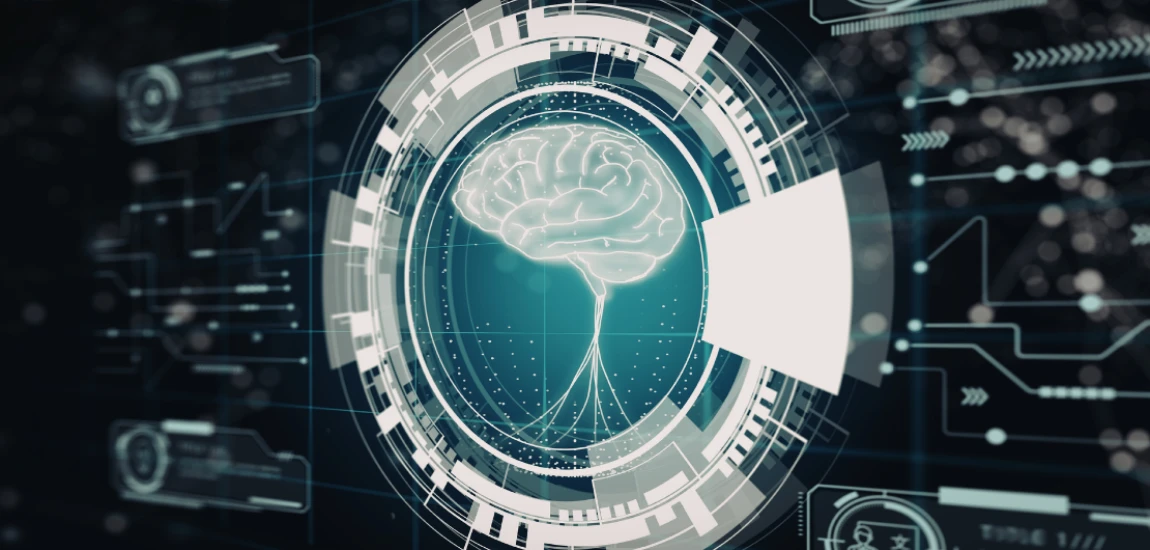
The boundary between human cognition and digital technology is rapidly dissolving, thanks to groundbreaking advancements in brain-computer interfaces (BCIs) and direct neural communication. These technologies are redefining how humans interact with machines by enabling direct communication between the brain and external devices—without the need for traditional input methods like keyboards, touchscreens, or voice commands. What once seemed like science fiction is now becoming a reality, with researchers and tech companies developing systems that can interpret neural signals and translate them into actionable commands.
Brain-computer interfaces work by capturing brain activity, analyzing neural signals, and converting them into digital outputs that machines can understand. This opens up remarkable possibilities, from restoring mobility in paralyzed individuals to enabling seamless interaction with computers, prosthetics, and even smart environments. Direct neural communication goes a step further by facilitating two-way interaction, allowing not only the brain to control machines but also machines to send information back to the brain.
As these technologies evolve, they are poised to revolutionize industries such as healthcare, gaming, education, and defense. They also raise important questions about privacy, ethics, and the future of human identity in a digitally augmented world. In this blog, we will explore the fundamentals, technologies, applications, benefits, challenges, and future trends of brain-computer interfaces and direct neural communication, offering a comprehensive look at one of the most transformative innovations of our time.
What Are Brain-Computer Interfaces?

Definition and Core Functionality
Brain-computer interfaces (BCIs) are systems that establish a direct communication pathway between the human brain and external devices. These systems detect neural signals generated by brain activity and translate them into commands that can control software or hardware systems.
BCIs can be invasive, semi-invasive, or non-invasive. Invasive BCIs involve implanting electrodes directly into the brain, offering high precision but requiring surgical procedures. Non-invasive BCIs, such as EEG-based systems, use external sensors placed on the scalp to monitor brain activity, making them safer but less precise.
Types of BCIs
There are several types of BCIs based on their method of interaction and application. Active BCIs require users to consciously control their brain activity to generate commands. Reactive BCIs respond to external stimuli, such as visual or auditory signals. Passive BCIs monitor brain activity without active user input, often used for cognitive state analysis.
Each type serves different purposes, from medical rehabilitation to enhancing user experience in digital systems.
Evolution of BCI Technology
The development of BCIs has progressed significantly over the past few decades. Early research focused on basic signal detection, while modern systems incorporate advanced AI and machine learning algorithms to improve accuracy and responsiveness.
Today, BCIs are being tested in real-world applications, demonstrating their potential to transform how humans interact with technology.
Understanding Direct Neural Communication

What Is Direct Neural Communication
Direct neural communication refers to the ability to transmit information directly between the brain and external systems or even between two brains. This goes beyond simple command execution, enabling a two-way exchange of information.
This technology allows machines to not only receive signals from the brain but also send feedback, creating a more interactive and immersive experience.
How It Works
Direct neural communication involves decoding neural signals using advanced algorithms and transmitting them to a receiving system. Feedback is then delivered to the brain through electrical stimulation or sensory signals.
This bidirectional communication creates a closed-loop system, enhancing precision and enabling more complex interactions.
Potential Impact on Communication
Direct neural communication has the potential to revolutionize human communication by enabling thought-based interaction. This could eliminate language barriers and enable faster, more intuitive exchanges of information.
Such advancements could redefine how people connect and collaborate in both personal and professional settings.
Technologies Powering BCIs and Neural Interfaces

Neural Signal Acquisition
The first step in BCI systems is capturing brain signals. Technologies such as electroencephalography (EEG), magnetoencephalography (MEG), and implanted electrodes are used to measure neural activity.
These methods vary in accuracy, invasiveness, and application, allowing researchers to choose the most suitable approach for different use cases.
Signal Processing and AI Integration
Once neural signals are captured, they must be processed and interpreted. Machine learning algorithms play a crucial role in identifying patterns and translating signals into meaningful commands.
AI enhances the accuracy and efficiency of BCIs, enabling real-time processing and adaptive learning.
Hardware and Interface Design
Advancements in hardware design have made BCIs more compact, efficient, and user-friendly. Wearable devices and implantable chips are becoming more sophisticated, enabling seamless integration with everyday life.
Improved hardware also enhances signal quality and reduces noise, making BCIs more reliable and practical.
Applications Across Industries

Healthcare and Rehabilitation
BCIs are transforming healthcare by enabling new treatments for neurological disorders and physical disabilities. Patients with paralysis can use BCIs to control prosthetic limbs or communicate through digital interfaces.
These technologies also support rehabilitation by helping patients regain motor functions and improve cognitive abilities.
Gaming and Entertainment
In the gaming industry, BCIs are creating immersive experiences by allowing players to control games using their thoughts. This opens up new possibilities for interactive storytelling and virtual reality.
Direct neural communication could further enhance these experiences by providing sensory feedback, making virtual environments more realistic.
Education and Cognitive Enhancement
BCIs have the potential to revolutionize education by enabling personalized learning experiences. By analyzing brain activity, systems can adapt content to match the learner’s cognitive state.
This approach can improve engagement, retention, and overall learning outcomes.


Gary Arndt operates "Everything Everywhere," a blog focusing on worldwide travel. An award-winning photographer, Gary shares stunning visuals alongside his travel tales.
Gary Arndt

Prev Post

Next Post