
Brain–Computer Interface Ecosystems and the Future of Seamless Human–Machine Communication
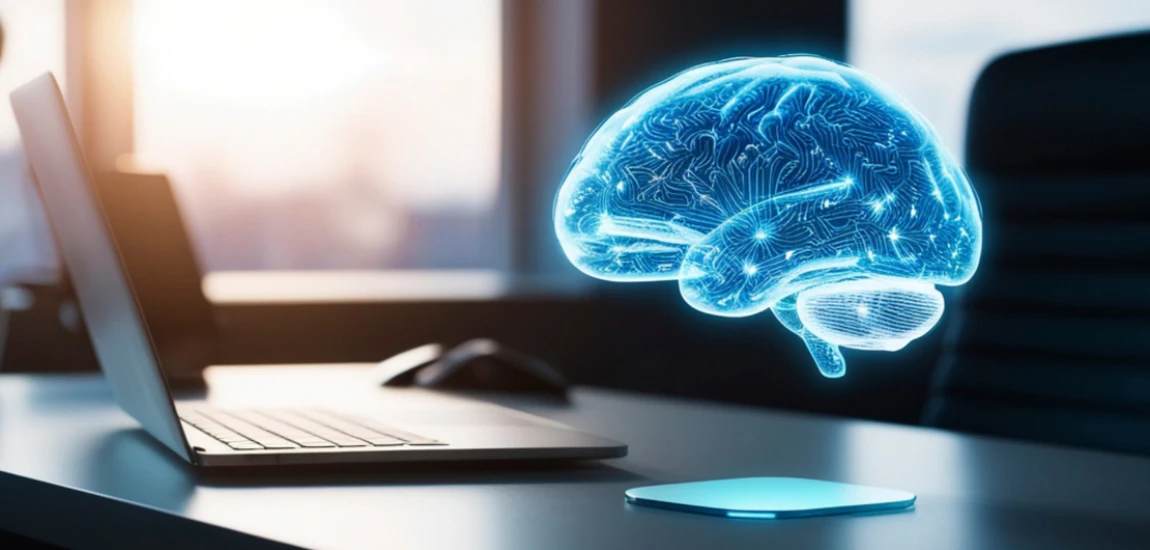
The relationship between humans and machines has evolved dramatically over the past century. From mechanical switches and keyboards to touchscreens and voice assistants, every technological advancement has made communication with digital systems faster and more intuitive. Today, researchers are taking this evolution to an entirely new level through Brain–Computer Interface (BCI) ecosystems, which enable direct communication between the human brain and external devices without relying on traditional physical controls.
Brain–Computer Interface technology works by detecting neural signals generated by the brain, interpreting those signals using advanced algorithms, and converting them into commands that machines can understand. When combined with artificial intelligence, machine learning, cloud computing, edge computing, wearable technologies, and advanced sensors, these interfaces become part of an intelligent ecosystem capable of supporting seamless human–machine communication.
The potential applications are extraordinary. In healthcare, BCIs are helping individuals with paralysis regain communication and control over assistive devices. In manufacturing, workers may operate complex machinery using neural commands, while gamers and virtual reality users could experience entirely new forms of immersive interaction. Researchers also envision applications in education, transportation, defense, and smart homes where machines respond naturally to a user's intentions.
Although Brain–Computer Interface ecosystems are still developing, rapid progress in neuroscience, AI, and computing technologies is accelerating their adoption. As these systems become more accurate, affordable, and accessible, they are expected to transform the way humans interact with technology, opening new possibilities for productivity, accessibility, and innovation.
Understanding Brain–Computer Interface Ecosystems

What Are Brain–Computer Interface Ecosystems?
A Brain–Computer Interface (BCI) ecosystem is an integrated network of technologies that enables direct communication between the human brain and digital devices. Unlike conventional interfaces such as keyboards, touchscreens, or voice commands, BCIs interpret electrical signals generated by the brain and translate them into machine-readable instructions.
Rather than functioning as a single device, a complete BCI ecosystem includes brain signal sensors, neural data processing software, artificial intelligence algorithms, communication networks, cloud platforms, edge computing systems, and connected applications. These components work together to capture neural activity, analyze complex brain patterns, and execute desired actions in real time.
Depending on the application, BCIs may be non-invasive, using wearable devices placed on the scalp, or invasive, involving implanted electrodes that provide more precise neural measurements. Researchers are also developing minimally invasive approaches that balance safety with improved signal quality.
The concept of an ecosystem is important because future Brain–Computer Interfaces will not operate independently. Instead, they will interact with smartphones, medical devices, robotic systems, autonomous vehicles, augmented reality platforms, and smart home technologies, creating interconnected digital environments that respond directly to human intentions.
Core Components of a BCI Ecosystem
Several advanced technologies work together to make Brain–Computer Interface ecosystems possible. The process begins with neural sensors that detect electrical activity produced by groups of neurons inside the brain. These sensors capture signals generated during thinking, movement, concentration, or emotional responses.
Once collected, neural signals are transmitted to specialized processors that remove background noise and enhance signal quality. Artificial intelligence and machine learning algorithms then analyze these patterns to determine the user's intended action. As more data is collected, these algorithms continuously improve their accuracy by learning individual neural characteristics.
Communication technologies such as Bluetooth, Wi-Fi, and 5G networks allow interpreted commands to be transmitted quickly to connected devices. Cloud computing supports large-scale data storage and advanced model training, while edge computing enables low-latency processing for applications requiring immediate responses.
Finally, software platforms integrate these components with external devices such as robotic arms, computers, wheelchairs, drones, or virtual reality systems, allowing users to interact with technology using neural activity rather than physical movement.
The Evolution of Brain–Machine Communication
Brain–Computer Interface research has progressed significantly since its early experimental stages several decades ago. Initial systems focused primarily on recording brain activity for scientific studies and medical diagnosis. Although these early interfaces demonstrated that neural signals could control external devices, they were often slow, inaccurate, and limited to laboratory environments.
Advances in neuroscience, signal processing, semiconductor technology, and artificial intelligence have dramatically improved BCI performance. Modern systems process neural information much faster while requiring less equipment and delivering greater accuracy. Wearable EEG headsets, improved implant technologies, and AI-powered decoding algorithms have made practical Brain–Computer Interfaces increasingly feasible.
The evolution of Brain–Computer Interface ecosystems also reflects broader technological progress. High-speed communication networks, cloud computing, Internet of Things (IoT) devices, and powerful edge processors now provide the infrastructure necessary to support continuous neural interaction with multiple intelligent systems simultaneously.
As research continues, BCIs are expected to become smaller, more comfortable, and more reliable, eventually becoming a natural extension of everyday digital life.
The Rise of Seamless Human–Machine Communication

Why Traditional Interfaces Are No Longer Enough
Modern digital environments demand faster and more intuitive interaction than ever before. Although keyboards, touchscreens, and voice assistants remain highly effective for many tasks, they still require physical movement or spoken commands that may limit efficiency in certain situations.
Brain–Computer Interface ecosystems overcome these limitations by enabling direct communication between human thought and machine action. Instead of manually controlling a device, users simply generate neural activity associated with a specific intention, allowing intelligent systems to interpret and execute commands almost instantly.
This capability has enormous potential for individuals with physical disabilities who may struggle to use traditional input devices. It also creates opportunities for professionals working in high-speed environments where immediate responses are essential, such as surgeons, emergency responders, pilots, or industrial operators.
As digital technologies become increasingly integrated into daily life, seamless human–machine communication offers a more natural and efficient way to interact with intelligent systems.
Artificial Intelligence as the Brain Behind Brain–Computer Interfaces
Artificial intelligence plays a central role in transforming raw neural signals into meaningful machine commands. Brain activity is extremely complex and varies significantly between individuals, making accurate interpretation impossible through traditional programming methods alone.
Machine learning algorithms analyze enormous volumes of neural data to recognize patterns associated with different thoughts, intentions, or actions. As users continue interacting with Brain–Computer Interface systems, AI models learn individual brain characteristics and become increasingly accurate over time.
Deep learning techniques further improve performance by identifying subtle neural features that might otherwise remain undetected. These advanced algorithms enable faster decision-making, smoother device control, and greater reliability across different operating conditions.
Artificial intelligence also supports adaptive Brain–Computer Interfaces capable of adjusting automatically as users' neural activity changes due to fatigue, emotional state, or environmental factors. This adaptability improves long-term usability and overall user experience.
Building Intelligent Ecosystems Around Human Thought
The future of Brain–Computer Interface technology extends beyond controlling individual devices. Researchers envision complete ecosystems where neural commands interact with multiple intelligent systems simultaneously.
Imagine entering a smart home where lights, climate controls, entertainment systems, and security devices respond automatically to your intentions. In workplaces, professionals could operate computers, robotic assistants, and communication systems through seamless neural interaction, reducing physical effort while improving productivity.
Virtual and augmented reality platforms could become far more immersive by responding directly to users' thoughts and attention rather than handheld controllers. Educational environments may adapt learning experiences based on cognitive engagement, while autonomous vehicles could monitor driver attention and respond proactively to improve safety.
As Brain–Computer Interface ecosystems continue evolving alongside artificial intelligence, cloud computing, and connected technologies, they will fundamentally reshape how humans communicate with machines, creating more intuitive, efficient, and intelligent digital experiences across every aspect of society.
Applications of Brain–Computer Interface Ecosystems Across Industries

Revolutionizing Healthcare and Neurorehabilitation
Healthcare is one of the most significant areas benefiting from Brain–Computer Interface ecosystems. These systems are helping individuals with neurological disorders, spinal cord injuries, paralysis, and other physical disabilities regain communication and control over their environment. By translating brain signals into digital commands, BCIs allow patients to interact with computers, robotic devices, and assistive technologies without relying on physical movement.
For example, individuals who have lost the ability to speak can use Brain–Computer Interfaces to select words or sentences on a screen using only their neural activity. Similarly, patients with severe motor impairments may control robotic arms, wheelchairs, or prosthetic limbs through brain signals, improving independence and quality of life.
BCIs are also transforming neurorehabilitation. During recovery from stroke or traumatic brain injuries, these systems help patients retrain neural pathways by providing real-time feedback about brain activity. This feedback encourages the brain to reorganize itself, supporting improved motor function and faster rehabilitation.
In addition, researchers are exploring the use of BCIs for mental health monitoring, epilepsy detection, and early diagnosis of neurodegenerative diseases. Continuous monitoring of brain activity may enable healthcare professionals to detect neurological changes earlier, leading to more effective treatment strategies.
As neuroscience and artificial intelligence continue advancing, Brain–Computer Interface ecosystems are expected to become an essential component of next-generation medical technologies, improving patient care while expanding treatment possibilities.
Enhancing Industrial Operations and Smart Workplaces
Brain–Computer Interface ecosystems are beginning to influence industrial environments by improving efficiency, safety, and human-machine collaboration. Modern workplaces increasingly rely on automation, robotics, and intelligent systems, making seamless interaction between workers and machines more valuable than ever.
Workers equipped with wearable Brain–Computer Interface devices may eventually control industrial robots, drones, or automated machinery using neural commands. This approach can reduce physical effort, improve productivity, and simplify complex operations that traditionally require multiple manual controls.
BCIs can also monitor cognitive workload and fatigue levels among employees performing high-risk tasks. If the system detects reduced concentration or excessive mental stress, supervisors can receive alerts to prevent accidents and improve workplace safety. This capability is particularly valuable in aviation, manufacturing, energy production, and emergency response operations.
Training programs may also benefit from neural feedback. Organizations can evaluate how employees learn new skills by measuring attention, memory retention, and cognitive engagement, allowing training materials to be adjusted for better learning outcomes.
As intelligent workplaces continue evolving, Brain–Computer Interface ecosystems are expected to create safer, more adaptive, and highly efficient work environments where humans and machines collaborate more naturally.
Transforming Entertainment, Education, and Consumer Technology
Consumer technology represents another exciting frontier for Brain–Computer Interface ecosystems. Gaming companies are exploring BCIs that allow players to control characters, navigate virtual environments, or interact with digital objects using only their thoughts. These capabilities could create entirely new forms of immersive entertainment beyond traditional controllers.
Virtual reality and augmented reality systems will become even more realistic when integrated with Brain–Computer Interfaces. Instead of relying solely on hand movements or voice commands, users could interact naturally with digital environments through neural activity, creating more engaging educational, training, and entertainment experiences.
Education may also undergo significant transformation. Intelligent learning platforms could monitor students' attention levels, cognitive engagement, and learning progress in real time. Teachers and educational software could then adjust lesson difficulty, pacing, or teaching methods according to each learner's needs, supporting more personalized education.
Smart home technology may become increasingly intuitive as Brain–Computer Interface ecosystems connect with lighting systems, home appliances, entertainment devices, and communication platforms. Everyday interactions could become faster and more convenient by allowing users to perform routine tasks without physical controls.
As wearable devices become smaller, more affordable, and more accurate, Brain–Computer Interface technology is expected to expand rapidly into everyday consumer applications, reshaping digital experiences across multiple industries.
Benefits and Advantages of Seamless Human–Machine Communication

Improving Accessibility and Human Empowerment
One of the greatest advantages of Brain–Computer Interface ecosystems is their ability to improve accessibility for individuals with physical disabilities and neurological conditions. Traditional computing devices often require manual input through keyboards, touchscreens, or voice commands, creating barriers for people with limited mobility or speech impairments.
Brain–Computer Interfaces eliminate many of these obstacles by enabling direct neural communication with digital systems. Individuals living with paralysis, muscular disorders, or spinal cord injuries can operate computers, communicate with caregivers, and control assistive technologies using brain activity alone.
This increased independence significantly enhances quality of life while reducing reliance on external assistance. In educational and workplace environments, accessible Brain–Computer Interfaces may create new opportunities for individuals who previously faced technological limitations.
Beyond disability support, seamless neural interaction has the potential to improve productivity for everyone by reducing repetitive physical actions and enabling faster communication with intelligent systems.
As accessibility continues to become a global priority, Brain–Computer Interface ecosystems offer powerful solutions that promote inclusion, independence, and equal access to digital technologies.
Increasing Speed, Accuracy, and Intelligent Decision-Making
Brain–Computer Interface ecosystems significantly improve communication speed by reducing the need for traditional input methods. Instead of typing commands or navigating menus manually, users can communicate intentions directly through neural signals, enabling much faster interactions with digital systems.
Artificial intelligence continuously improves this process by learning individual neural patterns and refining interpretation accuracy over time. As systems become more familiar with each user's brain activity, command recognition becomes increasingly reliable, reducing errors and improving overall performance.
Real-time communication is especially valuable in environments where rapid decision-making is essential. Surgeons, pilots, emergency responders, military personnel, and industrial operators could benefit from faster interaction with intelligent equipment during critical situations.
Brain–Computer Interfaces may also reduce cognitive workload by simplifying complex control systems. Rather than managing multiple interfaces simultaneously, users could interact with several connected devices through a single neural communication platform.
These improvements support greater operational efficiency while enabling entirely new forms of collaboration between humans and intelligent machines.
Supporting Future Innovation Across Multiple Industries
Brain–Computer Interface ecosystems represent more than an advancement in user interfaces—they establish a foundation for future technological innovation. Their integration with artificial intelligence, robotics, cloud computing, edge computing, wearable devices, and the Internet of Things creates opportunities for entirely new digital ecosystems.
Researchers are exploring collaborative robots that respond to human intentions in real time, autonomous vehicles capable of monitoring driver attention, and healthcare systems that continuously adapt to patient needs using neural feedback. Smart cities may eventually integrate Brain–Computer Interfaces into transportation, public safety, and urban services, creating more responsive environments.
Businesses also stand to benefit from improved workforce productivity, enhanced customer experiences, and more intelligent automation. Educational institutions can provide highly personalized learning experiences, while entertainment industries continue developing immersive virtual environments powered by neural interaction.
Although ethical considerations such as privacy, security, and responsible AI development remain important, ongoing research is focused on creating safe, transparent, and trustworthy Brain–Computer Interface ecosystems.
As technology continues advancing, seamless human–machine communication will become an increasingly important part of everyday life, transforming how people learn, work, communicate, receive healthcare, and interact with the digital world.


Gilbert Ott, the man behind "God Save the Points," specializes in travel deals and luxury travel. He provides expert advice on utilizing rewards and finding travel discounts.
Gilbert Ott
Prev Post
Next Post