
Brain-Computer Interface Ecosystems and the Future of Direct Human-Machine Communication
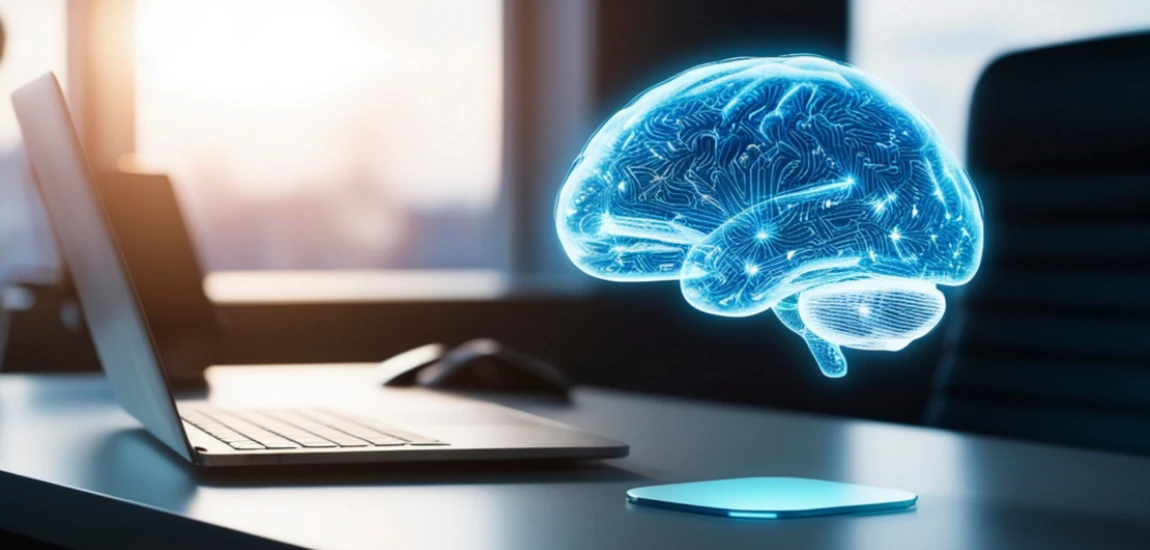
The relationship between humans and machines has evolved dramatically over the past century. From keyboards and touchscreens to voice assistants and gesture recognition systems, each technological advancement has made interactions more natural and efficient. Today, a new frontier is emerging that could fundamentally transform how people communicate with digital systems: Brain-Computer Interface (BCI) ecosystems.
Brain-computer interfaces are technologies that establish direct communication pathways between the human brain and external devices. Instead of relying on physical movements, spoken commands, or traditional input devices, BCIs interpret neural signals and convert them into actionable digital commands. These systems create opportunities for individuals to control computers, robotic systems, smart environments, and communication platforms using thought alone.
Modern BCI ecosystems extend beyond simple brain-signal interpretation. They integrate artificial intelligence, machine learning, neuroscience, wearable technologies, cloud computing, neural engineering, and advanced data analytics into interconnected platforms capable of delivering real-time interactions between humans and intelligent machines. As these technologies mature, they are expected to revolutionize healthcare, education, workforce productivity, entertainment, defense, and cognitive enhancement.
The future of direct human-machine communication may involve seamless interactions where thoughts, intentions, and information flow naturally between biological and digital systems. This evolution could reshape society by creating unprecedented opportunities for accessibility, innovation, and human augmentation.
Understanding Brain-Computer Interface Ecosystems

The Foundation of Brain-Computer Interfaces
Brain-computer interfaces operate by detecting electrical activity generated by neurons within the brain. These neural signals are captured using sensors, electrodes, or advanced neuroimaging technologies and translated into commands that machines can understand.
Traditional human-computer interaction methods require physical input devices such as keyboards, mice, or touchscreens. BCIs bypass these mechanisms by creating direct neural communication pathways.
This capability has the potential to significantly reduce interaction barriers and enable entirely new forms of digital engagement.
Components of a Modern BCI Ecosystem
A comprehensive brain-computer interface ecosystem consists of several interconnected technologies working together.
Neural sensing devices collect brain activity data. Signal processing systems filter and analyze neural information. Artificial intelligence algorithms interpret user intentions and convert them into machine-readable commands.
Communication networks, cloud computing platforms, and connected devices complete the ecosystem by enabling real-time interaction and data exchange across multiple environments.
Evolution from Research to Real-World Applications
For many years, brain-computer interfaces were primarily limited to academic research laboratories. Advances in neuroscience, computing power, miniaturized electronics, and machine learning have accelerated commercial development.
Today, BCI systems are being explored for healthcare treatments, assistive technologies, gaming, education, industrial automation, and consumer electronics.
As technology continues to mature, brain-computer interface ecosystems are expected to become increasingly accessible and practical.
Artificial Intelligence and Neural Signal Interpretation

Decoding Human Thoughts Through AI
One of the greatest challenges in brain-computer interface development involves accurately interpreting neural activity.
The human brain generates enormous amounts of complex electrical signals. Artificial intelligence plays a critical role in analyzing these patterns and identifying meaningful information.
Machine learning algorithms continuously improve their ability to recognize user intentions, emotional states, and cognitive processes by learning from large datasets.
Real-Time Neural Processing Systems
Direct human-machine communication requires extremely fast processing capabilities.
Modern AI-powered BCI platforms analyze neural data in real time, minimizing delays between thought generation and machine response. Edge computing and high-performance processors support rapid decision-making and signal interpretation.
Real-time responsiveness is essential for creating natural and intuitive user experiences.
Adaptive Learning and Personalization
Every individual's brain activity patterns are unique.
Artificial intelligence enables BCI systems to adapt to individual users through continuous learning and personalization. Over time, algorithms become more accurate in interpreting specific neural signals and behavioral patterns.
Personalized interfaces improve usability, efficiency, and overall communication effectiveness.
Healthcare and Medical Applications of Brain-Computer Interfaces

Restoring Communication for Individuals with Disabilities
One of the most transformative applications of BCIs involves helping individuals with severe physical impairments regain communication abilities.
Patients affected by paralysis, neurodegenerative disorders, or spinal cord injuries may use brain-computer interfaces to operate communication devices directly through neural activity.
These technologies provide greater independence and improve quality of life.
Neurorehabilitation and Recovery Support
Brain-computer interfaces are increasingly used in rehabilitation programs.
Patients recovering from strokes or neurological injuries can use BCI-assisted therapies to strengthen neural pathways and support motor recovery. AI-driven systems monitor progress and adapt treatment strategies accordingly.
Rehabilitation outcomes may improve significantly through personalized neurotechnology interventions.
Advanced Mental Health Monitoring
Future BCI ecosystems may contribute to mental health care by continuously monitoring cognitive and emotional states.
AI systems could detect early indicators of stress, anxiety, depression, or neurological conditions and provide timely interventions. Real-time monitoring supports preventive healthcare approaches.
These capabilities may transform mental health management and treatment strategies.
Human Augmentation and Cognitive Enhancement

Expanding Human Capabilities
Brain-computer interfaces are not limited to medical applications. They may also enhance human capabilities beyond natural biological limits.
Users could interact with digital systems more efficiently, access information instantly, and perform complex tasks with reduced cognitive effort.
Human augmentation technologies may create entirely new opportunities for learning, productivity, and creativity.
Memory and Learning Enhancement
Researchers are exploring how BCIs might support memory retention and accelerated learning processes.
Future systems may facilitate direct access to educational resources, personalized learning environments, and cognitive training programs. AI-powered platforms could adapt educational content based on real-time neural feedback.
Enhanced learning capabilities could transform education and workforce development.
Seamless Interaction with Digital Environments
As virtual reality, augmented reality, and metaverse technologies continue evolving, BCIs may become essential interaction tools.
Direct neural communication enables more immersive experiences by eliminating the need for conventional controllers and interfaces.
This level of integration could redefine digital engagement across entertainment, education, and professional applications.


Gilbert Ott, the man behind "God Save the Points," specializes in travel deals and luxury travel. He provides expert advice on utilizing rewards and finding travel discounts.
Gilbert Ott

Prev Post

Next Post