
Biometric Authentication Intelligence Systems: The Future of Secure Identity Verification
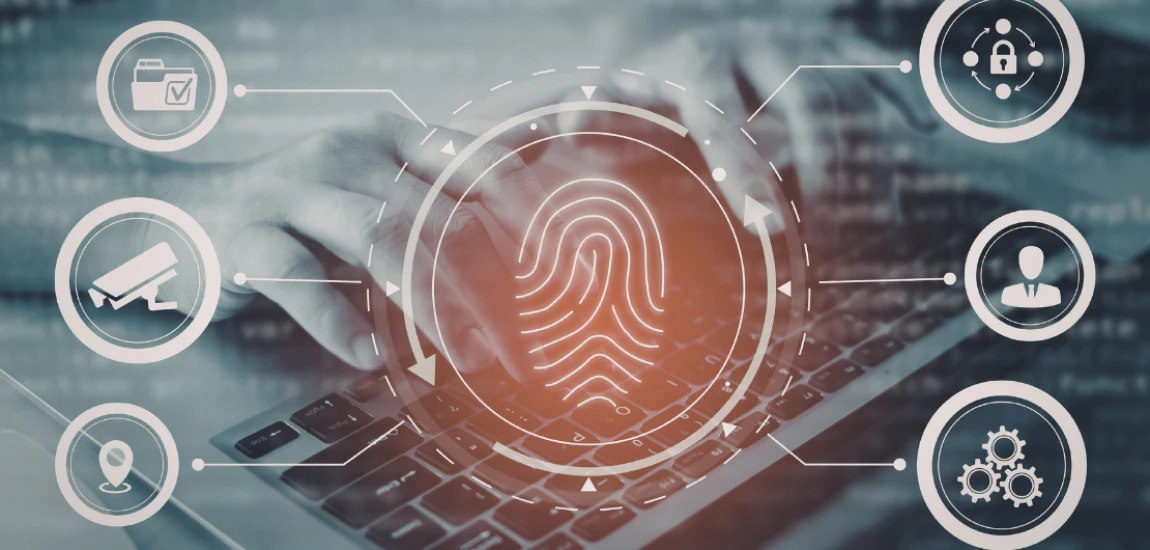
Biometric authentication intelligence systems are transforming the way identity verification is performed in the digital age. Traditional authentication methods such as passwords, PINs, and security questions are increasingly vulnerable to cyberattacks, data breaches, and identity theft. In contrast, biometric systems use unique physical and behavioral characteristics such as fingerprints, facial recognition, iris scans, and voice patterns to verify identity with high accuracy and security. These systems are further enhanced by artificial intelligence, which improves recognition accuracy, detects fraud attempts, and adapts to new threats in real time. Secure identity verification networks built on biometric technologies are now widely used across banking, healthcare, government services, and mobile applications. As digital transformation accelerates, the need for secure, fast, and reliable authentication systems is becoming more critical than ever.
Understanding Biometric Authentication Intelligence Systems

What Are Biometric Authentication Systems?
Biometric authentication intelligence systems are advanced security frameworks that use biological and behavioral traits to verify a person’s identity. These systems rely on unique human characteristics that are difficult to replicate or steal, making them highly secure compared to traditional authentication methods.
Common biometric identifiers include fingerprints, facial structure, iris patterns, and voice recognition. These identifiers are captured using sensors and analyzed using AI algorithms to confirm identity with precision.
Role of Artificial Intelligence in Biometrics
Artificial intelligence plays a crucial role in enhancing biometric systems by improving accuracy and speed. AI algorithms analyze biometric data, detect anomalies, and continuously learn from new inputs to reduce errors.
Machine learning models help systems adapt to changes in user behavior, such as aging or slight variations in appearance, ensuring consistent performance over time.
Importance of Secure Identity Verification
Secure identity verification is essential in preventing unauthorized access and protecting sensitive information. Biometric systems provide a higher level of security by ensuring that only authorized individuals can access systems or data.
This reduces the risk of identity theft, fraud, and cyberattacks, making biometric authentication a key component of modern cybersecurity strategies.
Core Technologies Behind Biometric Verification Networks

Fingerprint and Facial Recognition Systems
Fingerprint recognition is one of the oldest and most widely used biometric technologies. It works by analyzing unique patterns in an individual’s fingerprints.
Facial recognition systems use AI-powered cameras to map facial features and match them against stored data. These systems are commonly used in smartphones, airports, and security systems.
Iris and Retina Scanning Technologies
Iris and retina scanning provide highly accurate biometric identification by analyzing unique patterns in the human eye. These methods are extremely secure due to their complexity and uniqueness.
They are often used in high-security environments such as government facilities and financial institutions.
Voice and Behavioral Biometrics
Voice recognition systems analyze vocal patterns, tone, and speech characteristics to verify identity. Behavioral biometrics, on the other hand, analyze patterns such as typing speed and mouse movements.
These technologies add an additional layer of security by continuously monitoring user behavior.
Benefits of Biometric Authentication Intelligence Systems

Enhanced Security and Fraud Prevention
One of the primary benefits of biometric authentication systems is their ability to provide strong security. Since biometric traits are unique and difficult to replicate, they significantly reduce the risk of unauthorized access.
This makes them highly effective in preventing identity theft and fraud.
Convenience and User Experience
Biometric systems offer a seamless and convenient user experience. Users do not need to remember complex passwords or PINs, as authentication is done automatically using biometric data.
This improves accessibility and reduces friction in digital interactions.
Faster and More Efficient Authentication
Biometric authentication systems provide quick and efficient identity verification. This is particularly useful in high-traffic environments such as airports, banks, and online platforms.
Faster authentication improves operational efficiency and enhances user satisfaction.
Applications of Secure Identity Verification Networks

Banking and Financial Services
In the banking sector, biometric authentication is used to secure online transactions, mobile banking apps, and ATM access. It helps prevent fraud and ensures secure financial operations.
Banks use biometric systems to verify customer identity during account creation and transactions.
Healthcare and Patient Identification
Healthcare systems use biometric authentication to accurately identify patients and access medical records. This ensures that sensitive health information is protected.
It also reduces errors in patient identification and improves the quality of care.
Government and Border Security
Governments use biometric systems for national ID programs, passport verification, and border control. These systems enhance security and streamline identity verification processes.
They help prevent identity fraud and improve national security.


Gary Arndt operates "Everything Everywhere," a blog focusing on worldwide travel. An award-winning photographer, Gary shares stunning visuals alongside his travel tales.
Gary Arndt
Prev Post

Next Post