
Autonomous Traffic Intelligence Systems and Smart Urban Mobility Control Frameworks
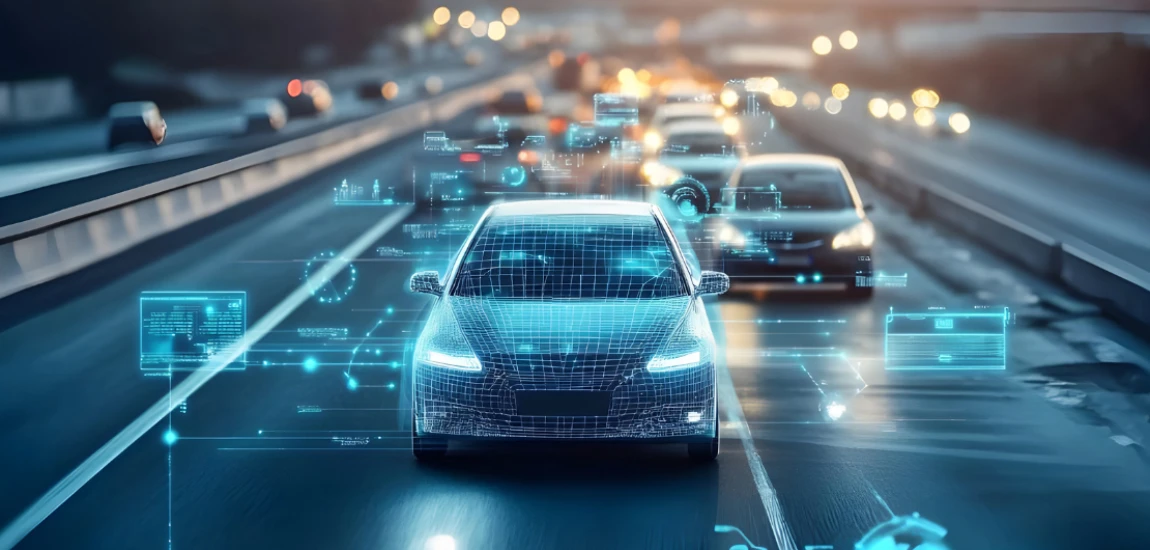
Rapid urbanization and population growth are placing enormous pressure on transportation infrastructure across the world. Modern cities face increasing traffic congestion, air pollution, road accidents, fuel waste, and inefficient public transportation systems that negatively impact economic productivity and quality of life. Traditional traffic management approaches often rely on static infrastructure and manual control systems that cannot adapt effectively to changing urban mobility demands. Autonomous traffic intelligence systems and smart urban mobility control frameworks are emerging as transformative solutions designed to optimize transportation networks using artificial intelligence, machine learning, IoT connectivity, predictive analytics, and automation technologies. These intelligent systems analyze real-time traffic conditions, monitor vehicle movement, predict congestion patterns, and automate traffic control operations to improve mobility efficiency and road safety. From AI-powered traffic signals and connected autonomous vehicles to smart parking systems and integrated public transportation networks, intelligent mobility technologies are redefining the future of urban transportation. As smart city initiatives continue expanding globally, autonomous traffic intelligence systems are becoming essential for building safer, greener, and more efficient urban mobility ecosystems.
Understanding Autonomous Traffic Intelligence Systems

Evolution of Intelligent Transportation Technologies
Transportation systems have evolved dramatically over the last century, moving from manually controlled traffic operations to digitally connected mobility ecosystems. Traditional traffic management systems primarily relied on fixed-timing traffic signals, manual surveillance, and limited communication infrastructure. While these methods provided basic traffic control capabilities, they struggled to handle the growing complexity of modern urban mobility environments.
The introduction of artificial intelligence and smart transportation technologies has transformed traffic management into a highly adaptive and data-driven process. Autonomous traffic intelligence systems now use machine learning algorithms, computer vision, sensor networks, and predictive analytics to monitor and optimize traffic flow in real time.
Modern intelligent transportation systems can analyze vehicle density, road conditions, pedestrian activity, and environmental factors continuously. These systems automatically adjust traffic signals, reroute vehicles, and coordinate mobility services to reduce congestion and improve transportation efficiency.
The growth of connected vehicles, 5G communication networks, and Internet of Things technologies has further accelerated the development of autonomous mobility infrastructures. Smart transportation systems are increasingly becoming integral components of digital smart city ecosystems worldwide.
Core Components of Traffic Intelligence Architectures
Autonomous traffic intelligence systems consist of several interconnected technologies that work together to create efficient urban mobility networks. IoT sensors installed on roads, intersections, vehicles, and public transportation systems continuously collect traffic and environmental data.
Artificial intelligence engines analyze this information to identify traffic patterns, predict congestion, and optimize signal timing dynamically. Computer vision systems equipped with cameras and image recognition algorithms monitor road conditions, detect accidents, and identify violations automatically.
Cloud computing and edge analytics infrastructures process large volumes of real-time transportation data with minimal latency. Vehicle-to-vehicle and vehicle-to-infrastructure communication technologies enable connected transportation systems to share information instantly across urban mobility networks.
Integrated mobility platforms further combine traffic management, public transit coordination, parking systems, and navigation services into centralized control environments that improve operational efficiency and commuter experiences.
Importance in Modern Urban Development
Autonomous traffic intelligence systems are becoming essential because urban populations continue to grow rapidly while transportation infrastructure remains limited. Smart mobility technologies help cities optimize existing road networks without requiring constant infrastructure expansion.
These systems reduce travel delays, fuel consumption, and environmental pollution while improving emergency response efficiency and commuter safety. Intelligent transportation frameworks also support sustainable urban development goals by promoting cleaner and more efficient mobility solutions.
As governments and urban planners increasingly invest in smart city initiatives, autonomous traffic intelligence systems are expected to become foundational components of future urban infrastructure development.
Smart Urban Mobility Control Frameworks

What Are Smart Mobility Control Frameworks?
Smart urban mobility control frameworks are integrated transportation management systems that use artificial intelligence, automation, and data analytics to coordinate urban transportation operations efficiently. These frameworks connect traffic management systems, public transit networks, autonomous vehicles, and smart infrastructure into unified mobility ecosystems.
Unlike traditional transportation systems that operate independently, smart mobility frameworks enable real-time coordination between multiple transportation components. This integrated approach improves traffic flow, reduces congestion, and enhances overall commuter experiences.
AI-powered mobility platforms can adapt dynamically to changing traffic conditions, weather events, road closures, and transportation demand fluctuations. These capabilities allow cities to manage transportation resources more effectively and improve urban mobility resilience.
Smart mobility control systems are especially important in densely populated metropolitan areas where traffic congestion and transportation inefficiencies significantly affect economic productivity and environmental sustainability.
Real-Time Traffic Coordination and Automation
Real-time traffic coordination is one of the most important features of autonomous mobility frameworks. AI-powered traffic control systems continuously monitor road conditions and automatically adjust traffic signal timing to optimize vehicle movement.
Machine learning algorithms analyze traffic patterns and predict congestion before it becomes severe. Intelligent routing systems can recommend alternative travel paths to reduce delays and balance traffic distribution across road networks.
Automated traffic coordination also improves emergency response capabilities by prioritizing emergency vehicles and clearing traffic routes during critical situations. Public transportation systems can benefit from synchronized traffic signals that reduce delays for buses and transit vehicles.
These intelligent automation capabilities improve transportation efficiency while reducing fuel consumption and commuter frustration.
Integration with Smart City Ecosystems
Smart mobility frameworks are closely connected to broader smart city infrastructures. Transportation systems increasingly interact with energy grids, environmental monitoring networks, public safety systems, and urban planning platforms.
For example, AI-powered traffic systems can coordinate with environmental monitoring tools to reduce emissions in high-pollution areas. Smart parking systems can communicate with navigation applications to guide drivers toward available parking spaces efficiently.
Data collected from transportation systems also supports urban planning and infrastructure development decisions. Governments can analyze mobility patterns to improve public transit services and optimize future road construction projects.
The integration of mobility systems with smart city technologies creates more connected, efficient, and sustainable urban environments.
Key Technologies Behind Autonomous Traffic Systems

Artificial Intelligence and Predictive Analytics
Artificial intelligence is the foundation of modern autonomous traffic intelligence systems. Machine learning algorithms analyze traffic data to identify congestion patterns, forecast transportation demand, and optimize mobility operations dynamically.
Predictive analytics systems can anticipate traffic bottlenecks, accident risks, and commuter behaviors based on historical and real-time data. These insights allow transportation authorities to implement proactive traffic management strategies before problems escalate.
Deep learning technologies also improve computer vision systems used for traffic monitoring and autonomous vehicle navigation. AI-driven analytics help cities improve traffic efficiency, reduce travel times, and enhance transportation safety significantly.
As AI technologies continue evolving, autonomous traffic systems are becoming increasingly capable of handling complex urban mobility challenges independently.
IoT Sensors and Connected Infrastructure
Internet of Things technologies enable continuous communication between vehicles, roads, traffic signals, and transportation management systems. Smart sensors collect data related to vehicle speed, traffic density, weather conditions, and road usage patterns.
Connected infrastructure systems transmit this data to centralized analytics platforms where AI algorithms optimize traffic control operations in real time. Vehicle-to-infrastructure communication technologies also allow connected vehicles to receive traffic updates, hazard alerts, and route recommendations instantly.
IoT-enabled transportation networks improve situational awareness and support highly responsive mobility management systems capable of adapting to changing urban conditions rapidly.
These connected ecosystems form the backbone of intelligent transportation infrastructures in smart cities.
Autonomous Vehicles and Computer Vision
Autonomous vehicles are becoming increasingly integrated into smart mobility ecosystems. Self-driving cars use AI-powered computer vision systems, lidar sensors, radar technologies, and navigation algorithms to operate safely within urban environments.
Computer vision technologies also support traffic monitoring systems by detecting accidents, pedestrian movement, traffic violations, and road hazards automatically. Intelligent surveillance systems improve traffic enforcement and urban safety management.
As autonomous vehicle adoption increases, traffic intelligence systems will play an even greater role in coordinating vehicle movement and ensuring safe interactions between human-driven and autonomous transportation systems.
Applications of Smart Urban Mobility Systems

Intelligent Traffic Signal Management
AI-powered traffic signal systems are among the most common applications of autonomous traffic intelligence technologies. Traditional traffic lights operate on fixed schedules that often fail to adapt to changing traffic conditions.
Intelligent traffic signals use real-time analytics to adjust timing dynamically based on vehicle flow and congestion levels. This reduces waiting times, improves intersection efficiency, and minimizes fuel consumption caused by unnecessary idling.
Smart signal systems also prioritize emergency vehicles and public transportation to improve mobility efficiency across urban road networks.
These adaptive traffic management solutions significantly improve overall transportation performance in busy metropolitan areas.
Smart Parking and Urban Navigation
Parking inefficiencies contribute significantly to urban congestion and fuel waste. Smart parking systems use IoT sensors and AI-driven analytics to monitor parking availability and guide drivers toward open spaces efficiently.
Mobile navigation applications integrated with smart parking platforms help reduce the time spent searching for parking spaces. Automated payment systems further improve user convenience and operational efficiency.
Urban navigation systems also use predictive traffic analytics to recommend optimal travel routes based on current road conditions and commuter preferences.
These intelligent mobility solutions improve transportation experiences while reducing unnecessary traffic congestion in city centers.
Public Transportation Optimization
Public transportation systems benefit greatly from autonomous mobility control frameworks. AI-powered transit management platforms optimize bus schedules, train operations, and passenger flow based on real-time demand patterns.
Predictive analytics help transportation authorities improve route planning and reduce delays. Smart ticketing systems and integrated mobility applications also enhance commuter convenience by providing real-time transit updates and multimodal transportation coordination.
Efficient public transportation systems encourage greater public transit usage, reducing private vehicle dependency and environmental pollution.


Derek Baron, also known as "Wandering Earl," offers an authentic look at long-term travel. His blog contains travel stories, tips, and the realities of a nomadic lifestyle.
Derek Baron
Prev Post

Next Post