
AI-Powered Smart Agriculture Systems and Precision Farming Optimization Platforms
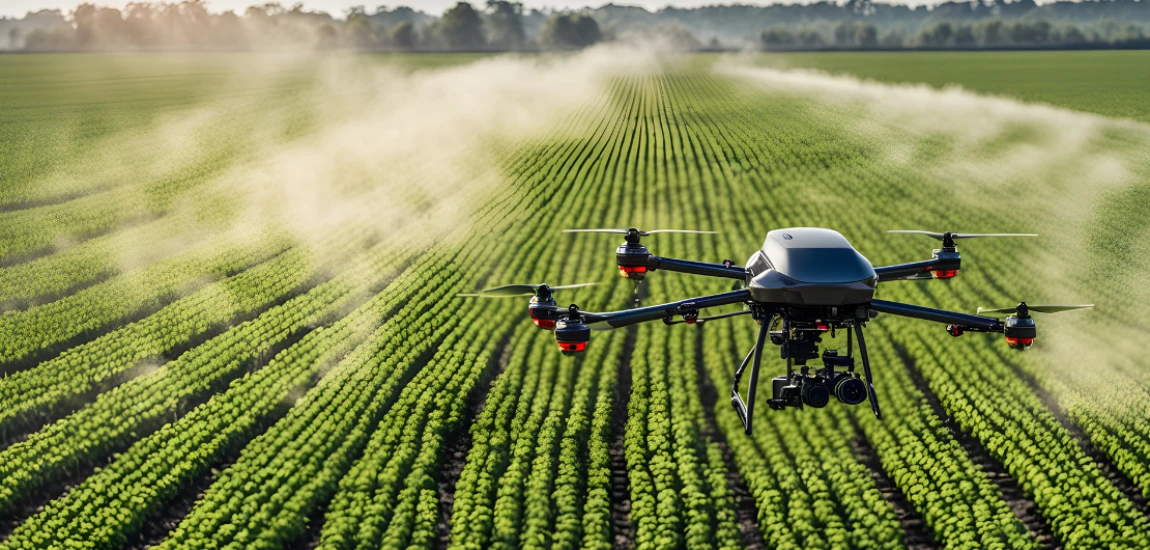
Agriculture is undergoing a major technological transformation as artificial intelligence and smart automation systems reshape traditional farming practices. Increasing global food demand, climate change, water shortages, and labor challenges are driving the need for more efficient and sustainable agricultural solutions. AI-powered smart agriculture systems and precision farming optimization platforms are helping farmers improve productivity, reduce operational costs, and make data-driven decisions with greater accuracy. These advanced technologies use machine learning, IoT sensors, drones, robotics, satellite imaging, and predictive analytics to monitor crop health, optimize irrigation, detect pests, and automate farming operations in real time. Unlike conventional farming methods that rely heavily on manual observation and fixed schedules, precision agriculture systems continuously analyze environmental conditions and field data to deliver highly targeted recommendations and automated interventions. As governments, agribusinesses, and farming communities increasingly adopt digital agriculture technologies, AI-driven smart farming systems are becoming essential for improving food security, environmental sustainability, and long-term agricultural resilience.
Understanding AI-Powered Smart Agriculture Systems

Evolution of Modern Agricultural Technologies
Agriculture has evolved significantly over the centuries, moving from manual labor and traditional cultivation methods to highly mechanized farming operations. In recent years, artificial intelligence and digital technologies have accelerated this transformation by introducing intelligent systems capable of improving efficiency, productivity, and sustainability.
Traditional farming methods often relied on farmer experience, weather predictions, and seasonal practices to manage crops and livestock. While effective to some extent, these approaches lacked precision and were vulnerable to environmental uncertainties and resource inefficiencies.
AI-powered smart agriculture systems represent a new era of farming innovation. These systems use machine learning algorithms, advanced sensors, and data analytics to monitor agricultural environments continuously and make intelligent recommendations. Farmers can now analyze soil conditions, crop growth patterns, weather changes, and pest activity in real time.
The integration of cloud computing, edge analytics, and Internet of Things technologies has further expanded the capabilities of modern agriculture systems. Smart farming platforms can process vast amounts of data from multiple sources, helping farmers make more accurate and timely decisions that improve productivity and reduce waste.
As global populations continue to rise and climate conditions become more unpredictable, AI-driven agriculture technologies are becoming increasingly important for ensuring food security and sustainable farming practices worldwide.
Core Components of Smart Farming Platforms
AI-powered smart agriculture systems consist of several interconnected technologies that work together to optimize farming operations. IoT sensors play a crucial role by collecting real-time data related to soil moisture, temperature, humidity, nutrient levels, and crop conditions.
Machine learning algorithms analyze this data to identify patterns and generate predictive insights. These systems can forecast crop diseases, estimate harvest yields, and recommend irrigation schedules based on environmental conditions.
Satellite imaging and drone technologies provide aerial monitoring capabilities that help farmers assess field health, detect stress areas, and identify pest infestations early. Robotics and autonomous farming equipment further improve operational efficiency by automating tasks such as planting, spraying, and harvesting.
Cloud-based agriculture management platforms integrate all these technologies into centralized dashboards that allow farmers to monitor and control operations remotely.
Importance in Modern Farming
Smart agriculture systems are becoming essential because they improve crop yields while reducing resource consumption and environmental impact. AI technologies help farmers optimize water usage, fertilizer application, and pest control strategies with greater precision.
These systems also improve decision-making by providing real-time insights and predictive analytics that support proactive farm management. As agricultural industries face increasing pressure to produce more food sustainably, AI-powered farming platforms are becoming critical tools for modern agricultural transformation.
Precision Farming Optimization Platforms

What Is Precision Farming?
Precision farming refers to the use of advanced technologies and data-driven techniques to optimize agricultural operations at highly specific levels. Instead of treating entire fields uniformly, precision farming systems analyze variations in soil conditions, crop health, and environmental factors to apply targeted interventions.
AI-powered precision farming optimization platforms use machine learning and sensor technologies to improve efficiency and reduce waste. Farmers can apply water, fertilizers, and pesticides only where and when they are needed, minimizing unnecessary resource usage.
This highly targeted approach improves productivity while reducing environmental damage caused by over-irrigation, excessive chemical usage, and inefficient farming practices.
Precision farming technologies are increasingly important for large-scale commercial agriculture operations as well as small and medium-sized farms seeking improved sustainability and profitability.
Data-Driven Agricultural Decision Making
One of the primary advantages of precision farming platforms is the ability to make informed decisions based on real-time agricultural data. AI systems continuously collect and analyze information from sensors, drones, weather stations, and satellite imagery.
Farmers can use predictive analytics to determine the best planting times, irrigation schedules, and harvesting strategies. AI-powered recommendations help optimize crop performance and reduce the risks associated with unpredictable weather conditions and pest outbreaks.
Data-driven farming also improves supply chain planning by providing more accurate yield predictions and harvest timelines. This enables better inventory management and market coordination for agricultural businesses.
The integration of real-time analytics with farm management systems is transforming agriculture into a more intelligent and efficient industry.
Automated Resource Optimization
Precision farming optimization platforms improve resource management by automating irrigation, fertilization, and crop protection processes. Smart irrigation systems use AI algorithms and moisture sensors to deliver water only when necessary, reducing water waste significantly.
Automated fertilizer application systems analyze soil nutrient levels and crop requirements to ensure balanced nutrient distribution. AI-powered pest detection technologies also enable targeted pesticide usage, reducing chemical exposure and environmental contamination.
These automation capabilities improve operational efficiency while lowering farming costs and supporting environmentally sustainable agricultural practices.
Key Technologies Driving Smart Agriculture Systems

Artificial Intelligence and Machine Learning
Artificial intelligence is the core technology behind smart agriculture systems. Machine learning algorithms analyze agricultural data to identify patterns, predict crop outcomes, and optimize farming strategies.
AI-powered systems can forecast weather impacts, detect crop diseases, and estimate harvest yields with high accuracy. These predictive capabilities allow farmers to take proactive measures that improve productivity and reduce operational risks.
Deep learning technologies also support advanced image recognition systems capable of identifying plant diseases, nutrient deficiencies, and weed growth through drone and satellite imagery analysis.
As AI models continue improving, smart agriculture systems are becoming more adaptive and capable of handling complex farming challenges autonomously.
IoT Sensors and Smart Monitoring
Internet of Things technologies enable continuous monitoring of agricultural environments through connected sensors and smart devices. Soil sensors measure moisture levels, pH balance, and nutrient concentrations, while weather sensors track temperature, humidity, and rainfall conditions.
These IoT devices transmit real-time data to centralized analytics platforms where AI algorithms evaluate field conditions and generate recommendations.
Smart monitoring systems help farmers identify issues early, reduce resource waste, and maintain optimal crop health throughout the growing cycle.
Wireless connectivity and cloud integration further enhance the scalability and accessibility of smart farming technologies across different agricultural environments.
Drones, Robotics, and Automation
Drones and robotics technologies are transforming agricultural operations by improving efficiency and reducing labor requirements. Agricultural drones provide aerial imaging and crop monitoring capabilities that allow farmers to detect stress areas, irrigation issues, and pest infestations quickly.
Autonomous tractors and robotic harvesters automate labor-intensive tasks such as planting, spraying, and harvesting. These systems improve operational precision while reducing labor costs and human error.
AI-powered robotics also support livestock monitoring, greenhouse management, and vertical farming operations. As automation technologies advance, smart farming systems are expected to become increasingly autonomous and efficient.
Applications of AI-Powered Smart Agriculture Systems

Crop Monitoring and Disease Detection
AI-powered crop monitoring systems help farmers track plant health and detect diseases before they spread across fields. Machine learning models analyze images captured by drones and satellites to identify discoloration, pest damage, and nutrient deficiencies.
Early disease detection enables farmers to apply targeted treatments quickly, reducing crop losses and minimizing pesticide usage. AI systems can also recommend preventive actions based on historical data and environmental conditions.
These technologies improve agricultural productivity while supporting sustainable farming practices through reduced chemical dependency.
Real-time crop monitoring is especially valuable for large-scale commercial farms managing extensive agricultural operations.
Smart Irrigation and Water Management
Water scarcity is one of the biggest challenges facing modern agriculture. Smart irrigation systems use AI algorithms and environmental sensors to optimize water distribution based on soil moisture levels, crop requirements, and weather forecasts.
Automated irrigation platforms reduce water waste by delivering precise amounts of water only when needed. This improves crop health while conserving valuable water resources.
AI-powered water management systems are particularly important in drought-prone regions where efficient resource utilization is essential for sustainable agriculture.
These intelligent irrigation technologies contribute significantly to environmental conservation and agricultural resilience.
Livestock and Farm Management
AI-powered smart agriculture systems are also improving livestock management and overall farm operations. Intelligent monitoring systems track animal health, feeding behavior, and movement patterns using wearable sensors and computer vision technologies.
Farmers can detect illnesses early, optimize feeding schedules, and improve breeding strategies through data-driven insights. Automated farm management platforms also streamline inventory tracking, workforce coordination, and supply chain management.
These technologies improve animal welfare, operational efficiency, and agricultural profitability while reducing manual workload requirements.


Gary Arndt operates "Everything Everywhere," a blog focusing on worldwide travel. An award-winning photographer, Gary shares stunning visuals alongside his travel tales.
Gary Arndt

Prev Post

Next Post